
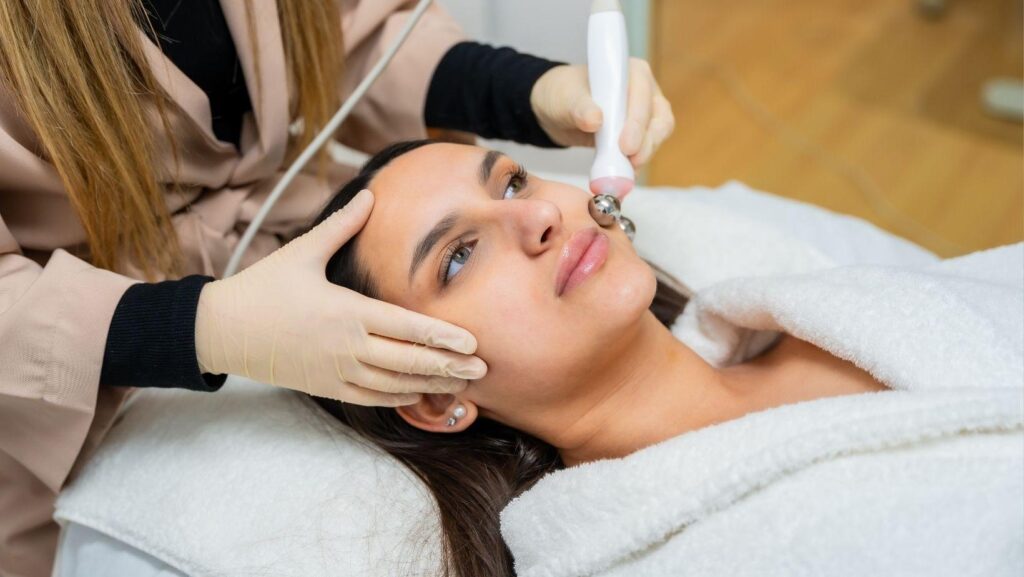
An Aesthetic Clinic often serves as more than a place for short-term skin improvement. It functions as a structured environment where skin health is evaluated, monitored, and supported over time. The focus is on understanding how skin behaves under different conditions rather than addressing concerns in isolation.
Many individuals first visit with visible concerns such as acne, pigmentation, or early signs of aging. However, the long-term goal extends beyond surface-level correction. The emphasis is placed on maintaining skin balance, improving resilience, and supporting natural-looking outcomes that evolve gradually.
What makes this approach important is the way skin responds to consistency. Healthy skin is not achieved through isolated treatments but through ongoing care, observation, and adjustment—an approach commonly seen in an aesthetic clinic, where long-term skin management is prioritized.
Understanding the Role of an Aesthetic Clinic in Skin Health
A Structured Approach to Skin Evaluation
An Aesthetic Clinic uses a structured approach to assess skin conditions. This involves examining both visible concerns and underlying factors that influence skin health. Instead of focusing solely on symptoms, professionals evaluate hydration levels, elasticity, inflammation patterns, and barrier strength.
This detailed evaluation helps create a clearer understanding of how the skin behaves over time.
Moving Beyond Surface-Level Treatments
Short-term solutions may improve appearance temporarily, but they do not always address root causes. Aesthetic care focuses on identifying underlying triggers such as lifestyle habits, environmental exposure, and hormonal influences.
By addressing these deeper factors, the clinic supports more sustainable skin improvement.
How Long-Term Skin Health Is Developed
Consistency in Treatment Planning
Long-term skin health relies heavily on consistency. An Aesthetic Clinic develops treatment plans that evolve gradually rather than delivering immediate, drastic changes.
This allows the skin to adjust naturally and reduces the risk of irritation or imbalance.
Monitoring Skin Progress Over Time
Regular assessments play an important role in maintaining skin health. These evaluations help track improvements and identify areas that require adjustment.
This continuous monitoring ensures that treatments remain effective as the skin changes.
Supporting the Skin Barrier
The skin barrier is essential for protecting against external stressors. Strengthening this barrier is a key focus in long-term care.
When the barrier is healthy, the skin becomes more resilient and less prone to sensitivity or breakouts.
The Importance of Natural Results in Aesthetic Care
Enhancing Without Overcorrection
Natural results are achieved when treatments enhance rather than alter the skin. An Aesthetic Clinic often prioritizes subtle improvements that align with the individual’s natural features.
This approach avoids excessive correction and maintains facial harmony.
Gradual Improvement Over Time
Skin changes do not happen instantly. Gradual improvement allows the skin to adapt and regenerate without stress.
This slow progression supports more stable and long-lasting outcomes.
Maintaining Individual Skin Identity
Every individual has unique skin characteristics. Long-term aesthetic care respects these differences rather than trying to standardize results.
This ensures that improvements remain natural and personalized.
Lifestyle Factors That Influence Long-Term Skin Health
Daily Habits and Skin Behavior
Skin health is closely connected to lifestyle choices. Sleep patterns, stress levels, and nutrition all influence how the skin responds to treatment.
An Aesthetic Clinic often considers these factors when designing care plans.
Environmental Exposure and Skin Stress
Pollution, UV exposure, and climate conditions can affect skin health over time. These external factors contribute to aging, pigmentation, and sensitivity.
Understanding these influences helps in creating more effective long-term strategies.
The Role of Consistent Skincare Routines
Daily skincare routines play a supportive role in maintaining treatment results. Gentle cleansing, hydration, and sun protection help preserve improvements achieved through professional care.
Personalized Care and Treatment Adaptation
Individual Skin Assessment
No two skin types respond the same way to treatment. An Aesthetic Clinic tailors its approach based on individual skin behavior and needs.
This personalization ensures that treatments remain relevant and effective.
Adjusting Treatments Over Time
As skin evolves, treatment plans are adjusted accordingly. This flexibility allows for continuous improvement without disrupting skin balance.
Adaptation is a key part of long-term success in aesthetic care.
Combining Multiple Treatment Approaches
In many cases, a combination of treatments is used to achieve balanced results. These may target different skin layers or concerns simultaneously.
This integrated approach supports more comprehensive skin health.
Preventing Common Skin Concerns Through Ongoing Care
Early Intervention for Skin Changes
Identifying changes early helps prevent long-term issues. Regular visits to an aesthetic clinic or med spa in orange county allow for early detection of concerns such as pigmentation or texture changes.
Early intervention often leads to better outcomes.
Reducing the Progression of Skin Issues
When skin concerns are managed early and consistently, they are less likely to worsen over time.
This helps maintain overall skin stability and reduces the need for intensive correction later.
Strengthening Long-Term Skin Resilience
Resilient skin responds better to environmental stress and aging factors. Ongoing care supports this resilience by maintaining balance and hydration levels.
Emotional and Confidence Impact of Skin Health
Skin and Self-Perception
Healthy skin often contributes to improved confidence. When individuals feel comfortable with their skin, it positively affects daily interactions and self-image.
The Role of Steady Improvement
Gradual improvement helps build confidence over time. Sudden changes can feel unfamiliar, while steady progress feels more natural and sustainable.
Supporting Mental Well-Being Through Skin Care
Consistent skin care routines can also create a sense of stability and self-care, contributing to overall well-being.
Conclusion
An Aesthetic Clinic plays a significant role in supporting long-term skin health by focusing on consistency, personalization, and gradual improvement. Rather than offering quick fixes, it builds structured care plans that evolve with the skin over time.
This approach ensures that results remain natural while also addressing underlying factors that influence skin behavior. By combining professional evaluation with lifestyle awareness, long-term care becomes more effective and sustainable.
Ultimately, the goal is not just better-looking skin but healthier, more resilient skin that maintains its balance and natural identity over time.
FAQs
1. How does an aesthetic clinic support long-term skin health?
It provides structured treatment plans, ongoing monitoring, and personalized care to maintain skin balance and resilience over time.
2. Why are natural results important in aesthetic treatments?
Natural results ensure that improvements enhance the skin without altering its identity or creating an artificial appearance.
3. How often should visits to an aesthetic clinic be scheduled?
Frequency depends on individual skin needs, but regular check-ins help maintain consistent progress.
4. Can lifestyle affect long-term skin results?
Yes, factors such as sleep, stress, and diet significantly influence how skin responds to treatments.
5. Are results permanent after aesthetic treatments?
Results are long-lasting but require maintenance and consistent care to preserve improvements over time.