
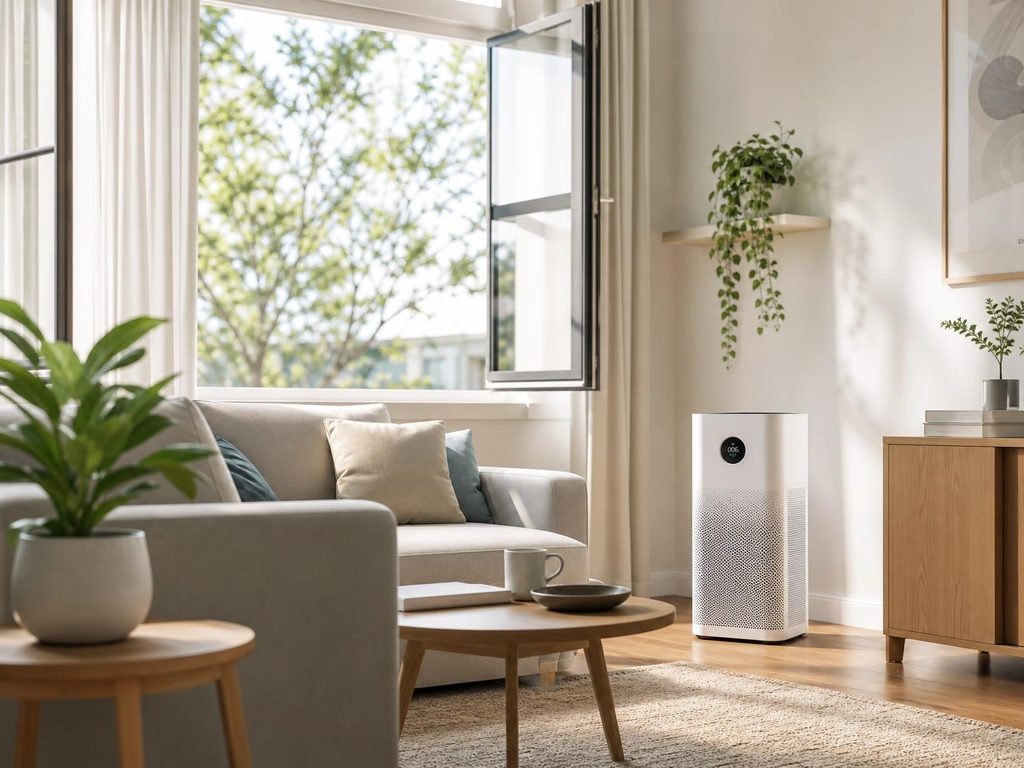
Most of us spend the bulk of our day indoors—at home, at work, in school—and when ventilation is limited, pollutants tend to accumulate rather than clear out. Dust, pollen, pet dander, smoke, mold particles, cleaning-product fumes, and combustion by-products rank among the most common culprits found inside the average home.
Identify the Main Sources of Indoor Air Pollution
Particles and allergens like dust, pollen, and pet dander can drift in from outside or get stirred up through everyday activity—walking across a rug, vacuuming, shaking out a blanket. People with allergies or asthma often notice symptoms sooner than others, though individual sensitivity varies quite a bit. Tackling these problems well generally calls for a layered approach: controlling the source, improving ventilation, and using filtration tools—such as an air purifier—as part of a broader strategy rather than a standalone fix. No single device or habit will eliminate every pollutant, and understanding how these three strategies work together is really the foundation of a healthier indoor environment.
Smoke and combustion pollutants come from sources like cigarettes, candles, fireplaces, and gas appliances. Carbon monoxide deserves special mention here, since it can’t be filtered out reliably; a functioning carbon-monoxide alarm is the appropriate safeguard, not an air-cleaning device.
Moisture and biological contaminants usually trace back to mold growth. Persistent condensation, musty odors, leaks, or visible mold are all warning signs pointing to an underlying moisture problem. Filtration might catch some airborne mold spores along the way, but it won’t do anything to fix the moisture issue causing them.
Chemicals and volatile compounds are released from paints, adhesives, pressed-wood furniture, cleaning products, pesticides, and fragranced items. Following label instructions, ventilating while you use these products, and storing chemicals properly tend to work better than trying to filter gases after the fact—particles and gases simply call for different control methods.
Start With Source Control
Reducing or removing a pollutant at its source is typically the most effective first move, since it stops contamination before it ever reaches the air. Practical steps include fixing leaks promptly, banning indoor smoking, running exhaust fans that vent outside, keeping chemicals sealed and stored properly, and cleaning regularly to keep dust and allergens from building up. Take a household noticing recurring musty smells: the better first move is investigating for leaks or excess humidity, not reaching for filtration equipment—treating the symptom while ignoring the cause rarely solves anything long-term. It’s also worth keeping expectations realistic: no approach makes a home completely free of allergens or chemicals. The goal is reducing exposure, not eliminating it outright.
Improve Ventilation Safely
Ventilation means bringing in outdoor air while pushing indoor air out, which dilutes and removes pollutants along the way. Natural ventilation—opening windows when the weather and outdoor air quality cooperate—can work well, and so can mechanical options like kitchen and bathroom exhaust fans or a well-maintained HVAC system. Exhaust fans should always vent outdoors, never into an attic or crawl space. That said, opening windows isn’t always the right call—during wildfire smoke, high outdoor pollution, or extreme temperatures, it’s better to keep them closed and lean on mechanical ventilation or filtration instead. Compare a well-ventilated kitchen during cooking to a closed-off room where cooking fumes just linger, and the difference ventilation makes becomes obvious. It helps to remember that ventilation and filtration play different roles: ventilation removes and dilutes indoor air altogether, while filtration simply captures contaminants from air that keeps recirculating within a space.
Use Filtration as a Supporting Measure
Portable filtration devices can supplement source control and ventilation, especially where airborne particles are concerned. When evaluating one, weigh room size, clean-air delivery performance, filter type, replacement needs, noise level, and energy use. How well it actually performs depends on correct placement, enough run time, and keeping up with routine maintenance.
Central HVAC filters can affect air quality across an entire building, but only when they’re compatible with the system—overly restrictive filters can choke airflow or strain certain installations. If you’re not sure, it’s reasonable to check with the HVAC manufacturer or a qualified technician, and to follow their guidance on inspection and replacement schedules.
Key takeaway: Filtration can reduce some airborne particles, but it works best as one piece of a broader strategy—it’s not a substitute for addressing carbon monoxide, ongoing mold growth, radon, major chemical emissions, or poorly ventilated combustion appliances.
Build a Practical Indoor-Air-Quality Routine
A simple routine, organized by frequency, keeps air quality manageable without becoming a chore:
- Daily or as needed: Run exhaust fans while cooking or bathing, skip indoor smoking, follow safety instructions on cleaning or hobby products, and clean up spills or moisture right away.
- Monthly or periodically: Check for leaks and condensation, inspect HVAC and portable filters, test smoke and carbon-monoxide alarms, and wipe down dust-prone surfaces.
- When problems persist: Keep track of odors, symptoms, or patterns, bring in a qualified professional for mold, radon, or ventilation concerns, and see a medical provider for ongoing symptoms rather than assuming air quality is the only factor at play.
Focusing on the pollutant source most likely to matter is usually more productive than buying several devices before you’ve even pinned down the actual problem.
Common Mistakes to Avoid
A few frequent missteps worth watching for: treating an air cleaner as a stand-in for ventilation, opening windows out of habit even during poor outdoor air quality, ignoring recurring dampness, running ozone-generating devices without understanding the risks, neglecting filter maintenance, assuming a pleasant scent means clean air, and taking health claims at face value without credible support behind them. Worth repeating: source control comes first, ventilate when outdoor conditions allow it, filtration supplements rather than replaces other measures, and carbon monoxide calls for detection and prevention, not ordinary particle filtration.
How to Evaluate Advice and Product Claims
Before acting on any recommendation, ask which specific pollutant it’s actually meant to address. Look for clear specifications, honest limitations, and maintenance requirements rather than vague marketing language. Government health agencies, HVAC specialists, and building-science professionals remain solid references for pollutant-specific guidance, particularly around mold, radon, and combustion safety.
Final Perspective: A Layered Approach Works Best
Healthier indoor air generally comes from combining several actions at once: cutting down on pollutant sources, increasing safe ventilation, keeping HVAC systems maintained, and using filtration where it makes sense. Start by pinpointing one likely source in your home, correct it where you can, and then decide whether added ventilation or filtration would genuinely help. This information is general in nature and isn’t a substitute for professional medical, engineering, or remediation advice when serious or persistent issues come up.