
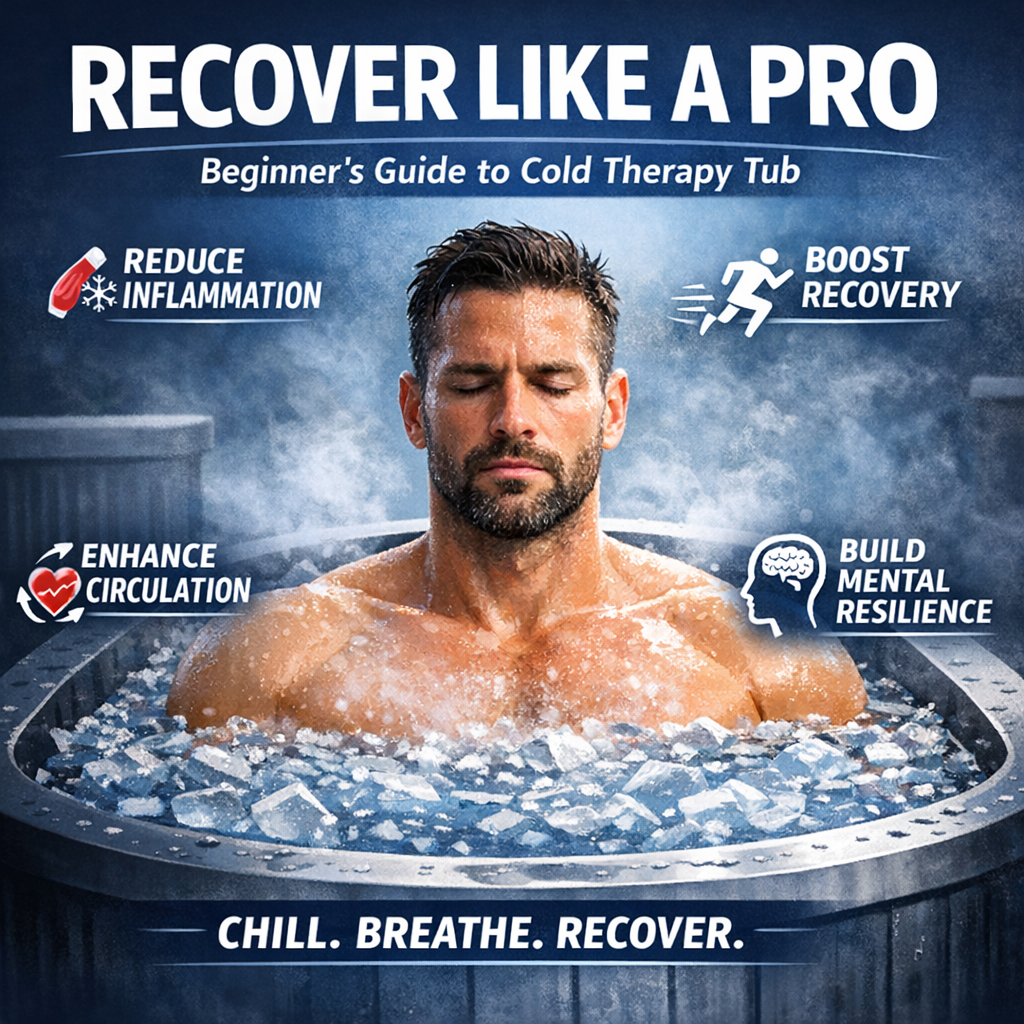
Recovery is often the differentiator between potential and performance. Athletes, professionals, and high-achievers understand that true progress requires more than effort; it demands strategic restoration. Cold therapy, delivered through a precision-engineered cold therapy tub, is one of the most effective tools available for accelerating recovery, reducing inflammation, and optimizing performance. This guide is designed to provide beginners with a clear, practical, and reliable approach to integrating cold therapy into a disciplined recovery routine.
Understanding Cold Therapy
Cold therapy, also known as cryotherapy when applied locally or systemically, is not a trend; it is a scientifically validated method for supporting recovery. The principle is simple: exposure to cold triggers physiological responses that help the body manage inflammation, reduce muscle soreness, and promote circulation. Unlike casual cold exposure, cold therapy in a controlled tub environment provides measurable results. By controlling temperature, duration, and consistency, you can maximize benefits while minimizing risks.
A cold therapy tub, often referred to as an ice bath tub, is more than a vessel for ice water; it is a performance tool. The water temperature typically ranges between 10 and 15 degrees Celsius, offering a precise and repeatable stimulus that encourages recovery without overexposure. Consistency in both frequency and technique is essential to achieving results.
Preparing for Your First Session
Preparation is crucial. Cold therapy is most effective when approached with intention. Begin by ensuring you have a quiet, safe environment. Position the tub in a space where you can focus and control the surroundings, free from distractions. Proper attire is minimal; typically, swimwear is sufficient. Gloves and socks are optional for comfort, but not required for effectiveness.
Hydration is essential before entering the tub. Cold exposure can constrict blood vessels and affect circulation, so entering adequately hydrated ensures your body responds optimally. Briefly warming up with light mobility exercises can also improve tolerance to cold and support circulation, reducing initial shock while still preserving therapeutic benefits.
The Right Technique
Entering a cold therapy tub is a deliberate process. Begin by immersing yourself slowly, allowing your body to adjust to the temperature. This is not a race; the goal is controlled exposure. Once submerged, focus on steady, measured breathing. Shallow or panicked breaths diminish the effectiveness of the session. Controlled diaphragmatic breathing maintains calm, supports circulation, and maximizes physiological benefits.
Session duration depends on experience and tolerance. For beginners, a window of three to five minutes is sufficient. Consistency is more important than duration. Extended sessions are not required to achieve recovery benefits and may introduce unnecessary stress. Over time, as tolerance improves, sessions can extend up to ten minutes, but precision and control remain the priority.
Key Benefits
The benefits of cold therapy in a tub extend beyond immediate relief.
- Reduced Muscle Inflammation: Cold exposure constricts blood vessels, which reduces inflammatory responses in fatigued or stressed muscle tissue. This effect supports quicker recovery after intense physical activity.
- Enhanced Circulation: Once you exit the tub, the body initiates a warming response that increases blood flow. Improved circulation delivers nutrients and oxygen to tissue, accelerating repair and promoting overall wellness.
- Pain Modulation: Cold therapy can serve as a natural analgesic. By reducing the perception of soreness, it allows for more consistent training or performance without reliance on pharmacological interventions.
- Mental Clarity and Resilience: The controlled stress of cold immersion has neurological benefits. The practice enhances focus, fosters discipline, and strengthens the mind-body connection, providing a performance edge that extends beyond physical recovery.
Integrating Cold Therapy Into Your Routine
For beginners, integration should be methodical. Start with two to three sessions per week, assessing your response and tolerance. Observe how your body feels immediately after, and track changes in soreness, mobility, and energy. Avoid excessive exposure; the most effective recovery routines are precise and sustainable, not extreme.
Pairing cold therapy with other recovery modalities can enhance outcomes. Light stretching, mobility work, and proper nutrition complement the benefits of cold immersion. Sleep remains non-negotiable; recovery is only effective when the body has the capacity to adapt and repair.
Safety Considerations
Cold therapy is highly effective, but it requires respect and awareness. Individuals with cardiovascular concerns, circulatory disorders, or sensitivity to cold should consult a medical professional before beginning any cold therapy routine. Listen to your body; discomfort is part of the process, but numbness, pain, or dizziness signals that the session should end.
Proper maintenance of the cold therapy tub is also critical. A clean, well-maintained system ensures consistent temperatures and prevents contamination. Precision in design, monitoring, and care reflects the performance-oriented approach central to Renu Therapy.
The Psychological Advantage
Cold therapy offers more than physical benefits; it shapes mindset. Entering a commercial cold bath requires control, focus, and deliberate intention. Overcoming the initial discomfort cultivates resilience and mental clarity, attributes that extend into professional performance, athletic training, and everyday life. Each session becomes a practice in discipline and measured action, reinforcing the connection between recovery and long-term performance.
Measuring Progress
Recovery is measurable. Track metrics that matter, such as perceived soreness, mobility, range of motion, and readiness for subsequent activity. Journaling responses to cold therapy creates actionable insights and allows for the refinement of your routine. Incremental improvements, tracked consistently, provide the most reliable evidence of effectiveness.
Conclusion
Cold therapy in a tub is a precision tool for serious recovery. Beginners can approach it with confidence, provided they respect the process, maintain consistency, and prioritize controlled exposure. The results are cumulative: reduced inflammation, improved circulation, faster muscle recovery, and heightened mental resilience. This is not casual wellness; this is performance optimization executed with intention, reliability, and clarity.
At Renu Therapy, we design every detail of the cold therapy experience to meet the exacting standards of high-performance recovery. The tub is engineered to provide consistent results, allowing you to recover like a professional, even if you are just beginning. Recovery is a strategic investment, and cold therapy is among the most effective tools available for those committed to mastery over fatigue, soreness, and performance plateaus.