

Mesothelioma is, without a doubt, a rather serious condition. So, if you have been diagnosed with it, there is no doubt that you are going to feel rather overwhelmed and often even unsure of what your next steps should be. But, you want to understand your treatment options and you want to do your best to fight the disease. This is why you may often be interested in considering some other paths beyond that standard treatment solution.
Especially so because mesothelioma is typically diagnosed at a later stage, which often makes it resistant to those standard treatments, a lot of patients tend to explore additional options. Options beyond surgery, chemo and radiation. Options that exist in mesothelioma clinical trials, consisting of some innovative therapies and aimed at improving patient outcomes. It is no wonder, therefore, that you have started thinking about those options as well, and that you are now wondering if joining a clinical trial may be the right course of action for you, after having been diagnosed with mesothelioma.
Understanding Mesothelioma
Naturally, we will answer that question for you below in more details, hoping to help you make up your mind. Before we get to that, though, we want to make sure that you have some understanding of mesothelioma in general. Basically, this is a type of cancer that develops in the mesothelium, which is a thin layer of tissues that lines the organs, such as the abdomen or the lungs. Given that it is linked to asbestos exposure and that it has a long latency period, often even decades after the exposure, it is often diagnosed in the advanced stages.
What does that mean for you, though? Well, to put things simply, it means that while standard treatments can sometimes slow progression and relieve symptoms, they often cannot really provide a cure. This is where clinical trials come into play and become essential, because they are aimed at testing some new approaches, such as targeted therapies, immunotherapy, and gene-based treatments, as well as combination therapies. Of course, to ensure the safety and the effectiveness of the studies, they are conducted in phases, as I am sure you understand already.
Why Join a Clinical Trial
Okay, now that you understand what the disease entails and why clinical trials play a role in this particular case, you are ready to proceed towards one of the main questions for the day. The question of why it is that you should think about joining a mesothelioma clinical trial in New York. There are, without a doubt, several important reasons why this may be a good idea, and we are now going to check out some of them in more details.
Read more on mesothelioma in general: https://my.clevelandclinic.org/health/diseases/22432-mesothelioma
First things first, if you decide to join a clinical trial in New York, that means that you will get access to some world-class medical institutions. After all, some globally recognized centers are located in New York, and such institutions are often at the forefront of mesothelioma research, and they tend to run several clinical trials at all times, aiming at developing new treatment options and improving patient outcome. So, you are sure to be in trusted hands if you decide to do this.
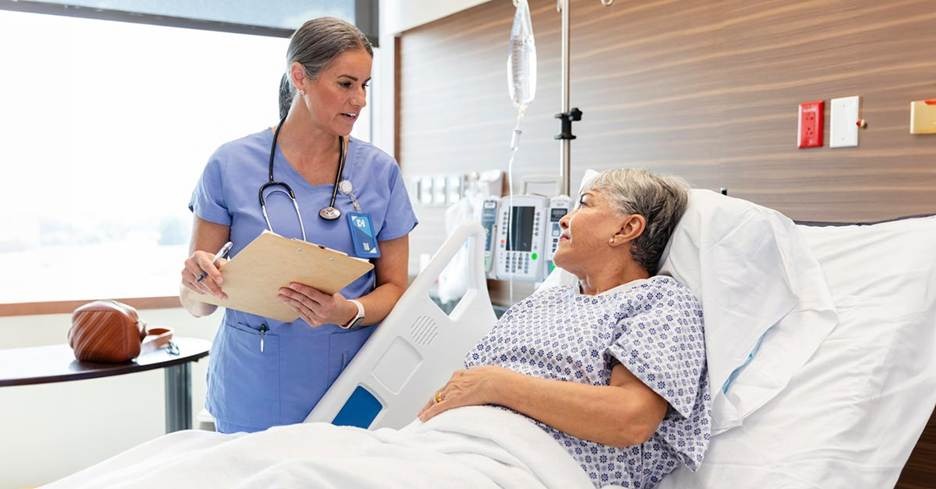
Now, clinical trials often involve some cutting-edge therapies. Those can include immune checkpoint inhibitors, novel drug combinations, as well as personalized medicine based on your specific genetic profiling. This, clearly, means that the patients can get access to those types of treatments before they become widely available, and there is no denying the fact that this is quite a big deal.
Moving on, since mesothelioma is so rare, it is completely logical that not all doctors will have extensive experience when it comes to treating it. Yet, joining a clinical trial in New York means getting access to those oncologists that specialize in this type of cancer and that have quite deep expertise when it comes to managing and treating it. This kind of specialized knowledge and experience can result in more accurate diagnosing, as well as better treatment planning, and an overall improved care. Just as long as you get matched to the right trial, of course.
Another thing to understand is that joining a mesothelioma clinical trial in New York automatically means getting comprehensive support services. This is because those large cancer centers will often provide multidisciplinary care teams, access to nutritionists, as well as mental health professionals, and patient navigators aimed at guiding you through the entire treatment and trial process. This kind of support is often essential during such a challenging time, and it can mean a lot to the patient.
Last, but not least, when you join a clinical trial, you can actually contribute to research in general, and that can wind up improving outcomes for future patients. After all, many breakthroughs have come from those clinical trials, thanks to the participants that have been willing to explore the new therapies and give them a chance. So, you help not only yourself but others as well. Learn more about some facts and myths about mesothelioma.
How to Do It in New York
Onto the final question right now. How can you actually find the right mesothelioma clinical trial for you in New York? Well, first and foremost, you should talk to your oncologist and check if they can share some recommendations, because they are often the best starting point, given that they collaborate with research institutions and can connect you directly to the coordinators of the trials.
Then, you can, and should, browse the clinical trial databases that make it easier for you to find these trials in New York. There are websites out there that can point you to trusted databases, as well as guide your search process, and even help you understand how to check your eligibility criteria, compare your options, and eventually contact the trial organizers. These kinds of sources make it easier to narrow down your options and apply for the right one for you.