

Peptide research materials
Peptides – short chains of amino acids linked together by peptide bonds – are increasingly being recognized as extremely valuable research tools. Depending on their size and amino acid sequence, peptides can bind to receptors, inhibit or otherwise modulate the action of enzymes, gain entry into cells, or display varying degrees of environmental stability. As a result, peptides are commonly employed in studies of:
- Cell signaling and communication
- Receptor function
- Protein-protein interactions
- Enzyme function and inhibition
- Immune response
- Development of methods for detecting disease-related proteins (biomarkers)
- Development of new approaches to delivering therapeutics (drug-delivery systems) and assessment of how different formulations behave
Why Do Sequence and Handling Matter?
One of the key advantages of peptides as research tools is the degree of specificity that can be achieved through rational design of the amino acid sequence. Even minor changes in peptide sequence, structure, or chemical modification can result in dramatically different behaviors. This makes careful planning essential to ensure that the most appropriate peptide is selected for a given application.
Equally important are considerations of peptide purity, storage, and reconstitution, as peptides can be sensitive to handling, as well as to environmental factors such as light, temperature, humidity, and exposure to degrading enzymes.
Peptide Purity and Characterization
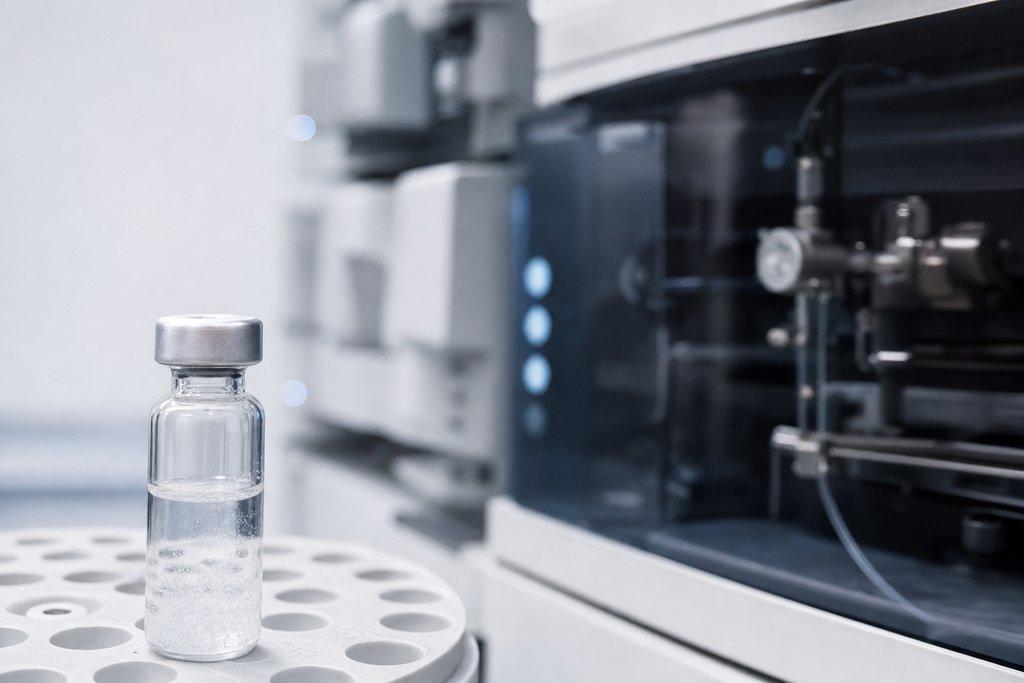
Laboratory peptide samples
The chemical characterization and purity of a peptide can have a significant impact on the success or failure of an experiment. Purity requirements will vary depending on the application – a less stringent level of purity may be acceptable for initial screening purposes than might be required for more demanding cell-based studies, for example, or during the development of a new analytical method.
Whenever possible, it’s advisable to obtain as much information as possible about the purity and identity of a peptide prior to use. Specialist suppliers such as Bioedge Research Labs source research peptides for work where those specifications matter. Analytical data can provide valuable insight into the purity level, molecular mass, and potential presence of related peptides or other substances that may be present as a result of the synthesis process.
In the event that unexpected results are observed during a study, low peptide purity could potentially complicate efforts to determine whether results are attributable to the intended peptide sequence, degradation products, related peptides, or other substances present in the formulation, or some combination thereof.
It’s also important to confirm the identity of the peptide sequence of interest. Even a single amino acid substitution can significantly impact the overall shape or charge of a peptide and its ability to interact with a biological target.
Stability, Formulation, and Storage
Many peptides are commercially available in the form of a dried (lyophilized) powder, which can facilitate shipping and long-term storage. Prior to use, however, the peptide must be reconstituted (dissolved) in an appropriate solvent or buffer. The choice of solvent or buffer for reconstitution can have a significant impact on peptide solubility, stability, pH, compatibility with downstream biological applications, and the range of working concentrations that can be prepared.
Peptides that are readily soluble in one buffer, for example, may precipitate upon dissolution in another. Formulations that initially appear homogeneous can separate or otherwise undergo changes in appearance following repeated freeze-thaw or heat-cool cycles.
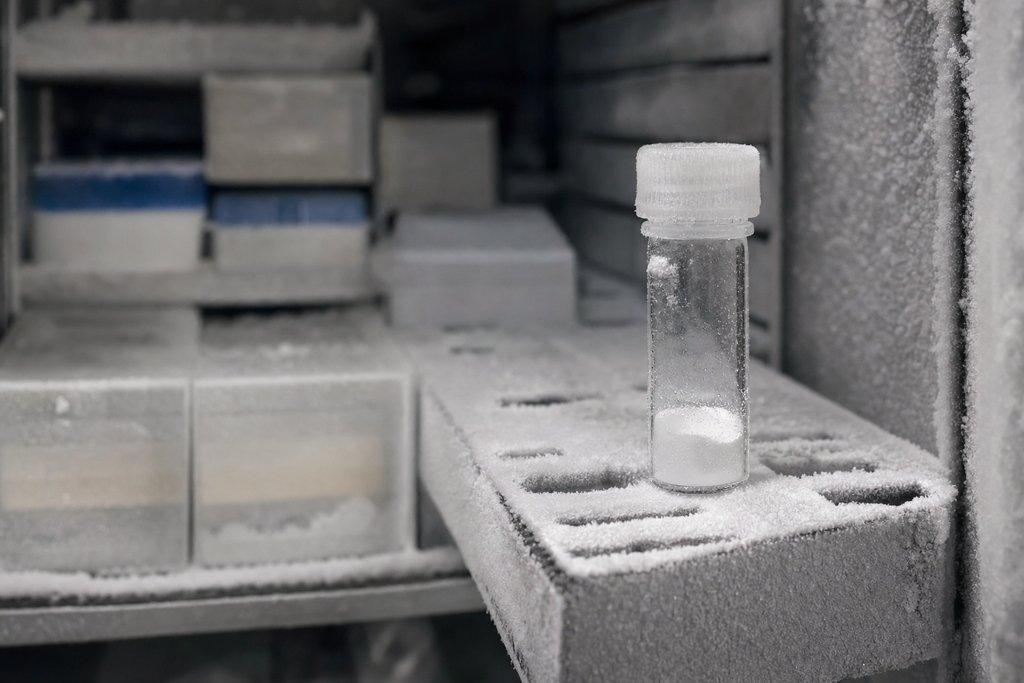
Peptide storage containers
Peptides vary widely in their stability under different storage conditions, and the ideal storage and handling regimen will vary accordingly. The following general recommendations may be helpful:
- Maintain peptides in a tightly sealed container until ready for use
- Store light-sensitive peptides away from direct light
- Use new, clean, chemically compatible tubes and pipette tips whenever possible
- Reconstitute and dilute peptides using appropriate volumes and techniques, and record the details
- Examine peptide formulations prior to use, and discard any that exhibit unexpected color, particulates, or cloudiness
- Store peptide stock solutions in the refrigerator or freezer, as appropriate, for as short a period of time as possible
- Aliquot peptide stock solutions as needed to minimize repeated freeze-thaw cycles
- Label tubes containing peptide stock solutions with pertinent information, including the peptide concentration, date prepared, diluent, and storage conditions
Accurate calculations are essential when preparing stock solutions of peptides, and care should be taken to select an appropriate diluent that will facilitate peptide dissolution, account for the salt form of the peptide as needed, and minimize foaming and adhesion of the peptide to the walls of the container.
Peptides can vary significantly in their ease of dissolution. Highly charged or hydrophobic peptides, for example, may require special considerations to facilitate reconstitution. Some peptides dissolve slowly and benefit from additional incubation time rather than aggressive vortexing. Very dilute peptide solutions can adhere to the inside walls of plastic tubes and pipette tips, which can complicate dose-response studies.
If in doubt about a peptide’s solubility or compatibility with a given buffer or downstream application, consider performing a quick solubility test prior to initiating a lengthy or costly experiment. This can help to identify potential problems with precipitation, pH, solubility limits, etc. before they have an opportunity to confound experimental results.
Experimental Design and Controls
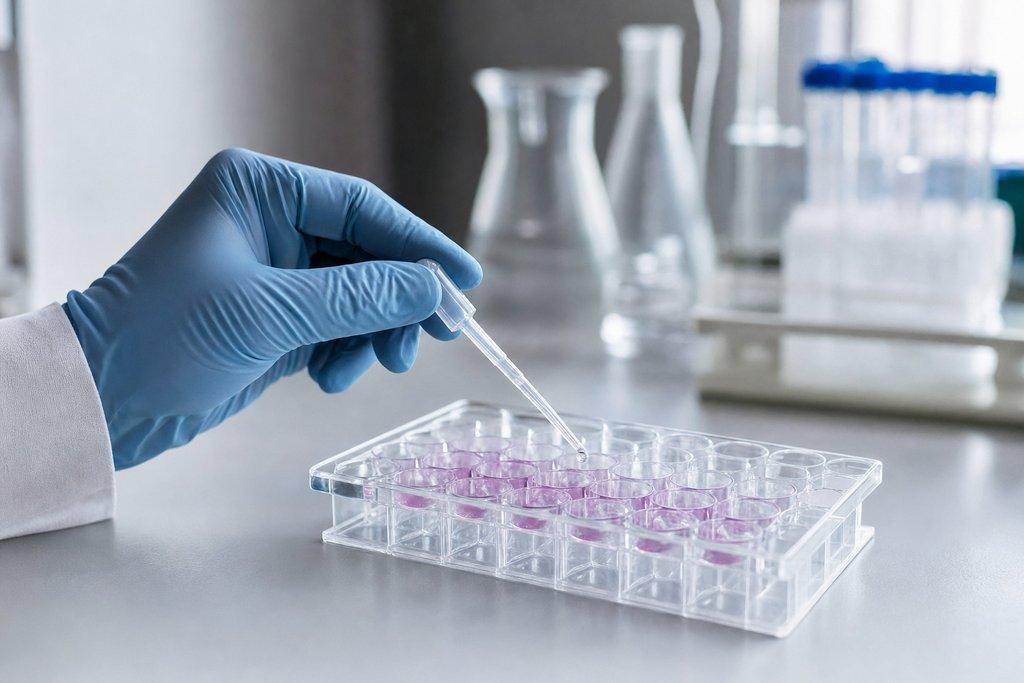
Peptide laboratory research
Successful experiments begin with a clearly defined question: receptor activation? inhibition of protein-protein interactions? assay development? comparison of wild-type and mutant peptides? This information can then guide decisions regarding appropriate controls, peptide concentration(s), duration of exposure, readout, etc.
Planning, Compliance, and Translation
As with any research-use material, it’s important to carefully consider whether a particular peptide is appropriate for your intended use and comply with any relevant guidelines or regulations pertaining to the design, review, conduct, documentation, and storage of your experiments. If working with potentially hazardous materials or conducting animal or tissue studies, additional approvals may be required. Complying with applicable policies and regulations isn’t just an after-the-fact hoopling – in some cases, they dictate what you can or cannot do and what kinds of controls you should or should not use.
And finally, if you’ve found that a certain peptide elicits an exciting response in your experimental system of choice, ask yourself how well your results are likely to translate to other experimental models and more physiologically relevant systems.
Before unsealing that peptide vial, jot down a quick one-page reference sheet that includes pertinent information about your peptide of interest. This might include the lot number, peptide amount, purity data, diluent(s), stock concentration, recommended aliquot size, storage conditions and location, date prepared, and date used. This reference sheet may come in handy later on if your results aren’t quite what you expected them to be!