
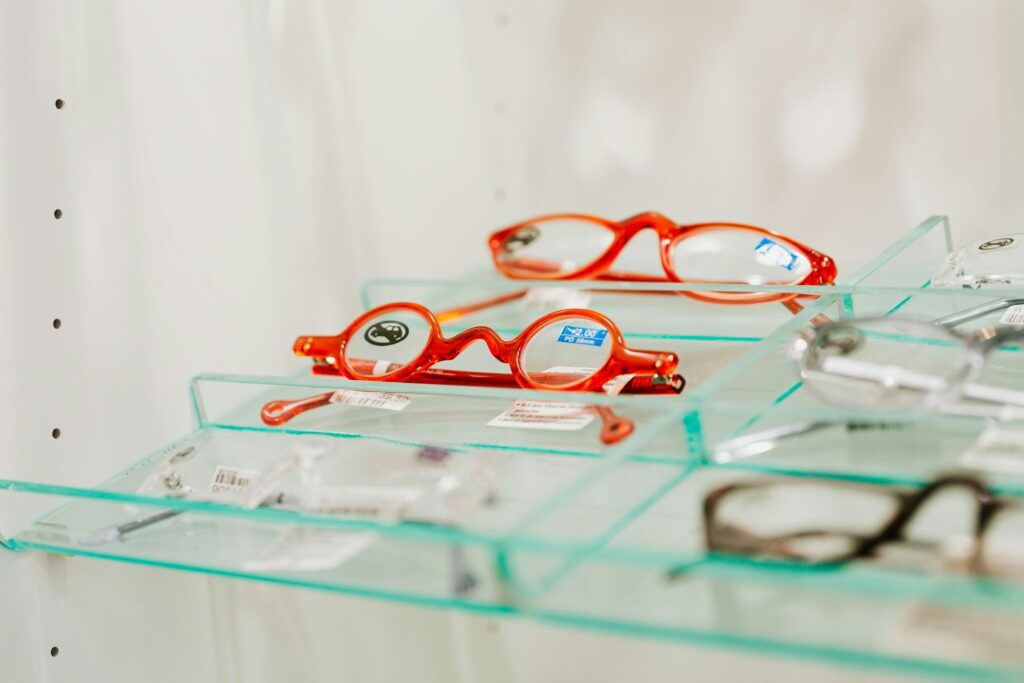
Living with glaucoma presents ongoing visual challenges, with light sensitivity and glare often adding to daily discomfort. Adapting environments and choosing the right eyewear can make a significant difference in how people manage these symptoms. Practical adjustments and specialized eyewear can help individuals maintain comfort, safety, and independence, and many also explore glaucoma glasses as part of a broader comfort plan.
Glaucoma affects millions of people and commonly leads to increased light sensitivity, making everyday tasks more difficult and sometimes painful. This heightened sensitivity may be caused by changes in how the eyes process light or by medications that impact pupil response. For many, even basic activities can become challenging when exposed to bright sunlight, harsh indoor lighting, or glare from digital screens.
Understanding daily challenges with glaucoma and light sensitivity
Finding effective solutions is essential, and sunglasses for glaucoma designed to filter specific wavelengths can offer meaningful relief for those who live with this condition. Alongside outdoor protection, glasses for glaucoma can be useful for managing indoor glare, and consulting an eye care professional about lens and filter options is a sensible step toward minimizing discomfort and improving visual comfort in daily routines.
Individuals living with glaucoma often encounter glare and discomfort from bright sunlight outdoors and reflections off water, pavements, or vehicles. Tasks such as driving, walking along busy streets, and spending time in parks can be disrupted not only by direct sunlight but also by ambient glare from various surfaces. Indoor environments present their own problems, with overhead fluorescent lighting in workplaces or supermarkets frequently leading to eye strain and visual disturbances for those with glaucoma, which is why some people ask can glasses help glaucoma in these settings.
Transitions between different lighting, such as moving from a dimly lit home interior to a sun-filled kitchen, can trigger moments of visual confusion and increased sensitivity. Screen glare and blue light emissions from phones or tablets also exacerbate symptoms. These factors mean that people with glaucoma must remain alert to sudden shifts in brightness, which can lead to eyestrain and fatigue during ordinary activities, and glaucoma glasses may help reduce the impact of these changes.
Practical environmental adjustments for greater comfort
Managing indoor lighting is a crucial part of minimizing discomfort for glaucoma patients. Using a layered lighting strategy, combining soft ambient lighting with task-specific lamps, helps limit harsh shadows and glare. Dimmable bulbs allow for customization of brightness, while lampshades or diffusers soften the intensity of artificial light. Window treatments such as sheer curtains or anti-glare films are useful tools for reducing sun glare in living spaces, and can be especially important for people who wear special glasses for glaucoma patients.
Adjustments to digital device use also play a major role. Options like activating “night light” settings, warming screen color temperatures, and increasing font size can help reduce irritation. Creating dedicated spaces within the home, such as reading nooks with indirect lighting, provides comfortable retreats during periods of heightened sensitivity. These proactive choices can help prevent visual overstimulation and improve overall quality of life, especially when paired with glasses for glaucoma selected for screen and indoor lighting conditions.
The importance of eyewear in managing daily discomfort
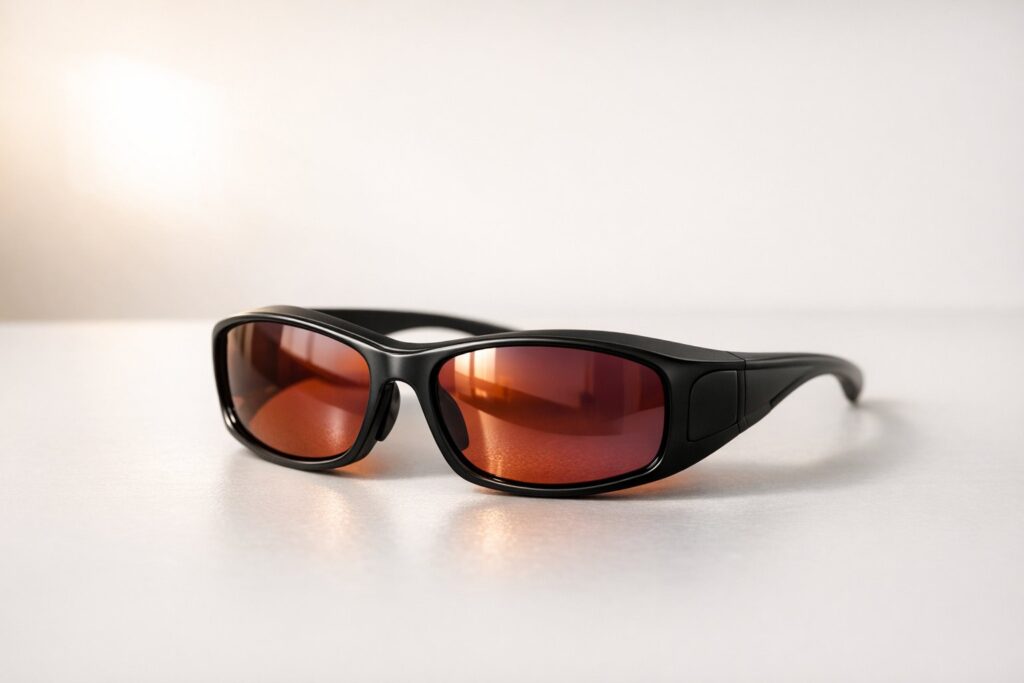
Standard sunglasses do not always meet the specific visual needs of people with glaucoma, particularly when sensitivity to light is severe. Specialized glasses for glaucoma go further, offering wraparound designs and side shields to block incidental light and deliver better protection in challenging lighting conditions. These eyewear options use precision filters to target problematic wavelengths rather than simply darkening vision, which helps maintain clarity without sacrificing comfort, and some patients find that can glasses help glaucoma concerns are best addressed through careful filter selection.
Features like lightweight frames for prolonged wear, and fit-over designs for those who already use prescription lenses, further enhance daily usability. By selecting glasses tailored to personal preferences and routine environments, people with glaucoma can continue activities like reading labels or navigating busy streets while reducing the risk of glare-related discomfort. Personalized trials of different filters and tints with the guidance of an eye care professional are often needed to discover what works best for each individual, including special glasses for glaucoma patients who need added side protection.
Maintaining routines and knowing when to seek professional advice
Preserving daily routines can be challenging for those with glaucoma, but consistent use of effective eyewear and environmental adjustments makes it easier to manage light-induced discomfort. Scheduling errands during times of softer natural light, taking breaks from bright environments, and using visual aids can all contribute to ongoing comfort. For example, some choose to visit markets in the early morning or late afternoon and carry more than one type of glaucoma glasses to adapt to changing conditions throughout the day.
Monitoring any changes in visual symptoms, such as worsening discomfort, halos, or sudden shifts in vision, is important for long-term eye health. While specialized glasses for glaucoma can be a valuable part of a daily comfort strategy, it is essential to consult with an eye care professional to ensure the chosen eyewear provides both appropriate protection and a proper fit. Clinical guidance can also clarify when special glasses for glaucoma patients are appropriate, and whether can glasses help glaucoma goals should be combined with other therapies. With the right knowledge and resources, individuals living with glaucoma can achieve better visual comfort and sustain an active, fulfilling lifestyle despite sensitivity challenges.