

Walk into a health shop or browse an online supplement retailer, and you’ll quickly discover that choosing a product involves more than deciding which ingredients interest you. The same nutrient may be available as a capsule, powder, liquid, gummy, or tablet, each offering a different experience.
With so many formats available, it’s easy to assume that one must be better than the others. However, the most suitable option often depends on practical considerations such as convenience, serving size, personal preferences, and how comfortably a supplement fits into your daily routine.
Understanding these differences can make shopping considerably easier. Instead of following packaging trends or choosing whatever appears most popular, you can compare products based on their formulation and intended use.
Here’s what to consider before deciding which supplement format deserves a place in your routine.
Capsules Offer Convenience and Consistent Serving Sizes
Capsules remain one of the most familiar supplement formats, largely because they’re straightforward to store, carry, and incorporate into daily routines.
Unlike powders or liquids, capsules generally come in predetermined amounts, making it easy to understand how much of a particular ingredient each serving contains. They’re especially convenient for people who prefer products that require little preparation.
This format is also popular among specialist wellness retailers. Products such as Medterra CBD capsules offer a convenient capsule format, with clearly labelled formulations that make it easier for consumers to compare options and find products suited to their preferences.
Capsules can be particularly appealing when travelling, commuting, or maintaining a consistent personal-care schedule. Their compact packaging makes them easy to organise alongside other everyday essentials.
However, capsule sizes differ, and some people find larger varieties difficult to swallow. Gelatin and plant-based shells are also available, so checking the ingredients is useful for anyone with dietary preferences.
Powders Provide Greater Flexibility in Preparation
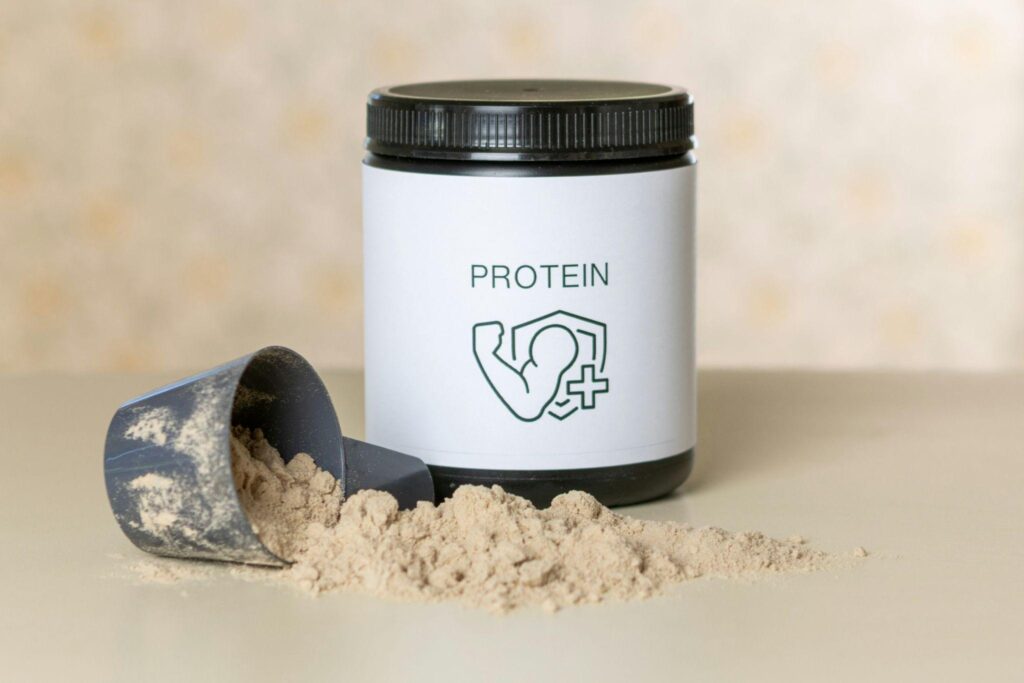
Powdered supplements appeal to people who enjoy mixing products into drinks or preparing smoothies as part of their daily routines.
Protein powders are perhaps the most familiar example, but powdered formats are also available for creatine, electrolytes, fibre, and various nutritional ingredients.
One attraction is flexibility. Depending on the product, powders can be mixed with water, milk, or other suitable beverages. Some unflavoured varieties can also be incorporated into food.
This format may be practical when a relatively large serving would require swallowing several capsules.
However, preparation requires more attention. Scoops aren’t always precise measuring instruments, and different products have different serving instructions.
Flavour and texture also influence the experience. Some powders dissolve smoothly, while others produce noticeable thickness or require vigorous mixing.
Before purchasing, consider whether you’ll enjoy preparing the product regularly and whether its storage requirements suit your lifestyle.
Liquid Supplements Have Their Own Practical Advantages
Liquid supplements offer another alternative, particularly for people who prefer not to swallow tablets or capsules.
Products may be supplied in bottles with measuring caps, droppers, or individually packaged servings. Common examples include certain vitamins, mineral preparations, and nutritional formulas.
Their biggest practical advantage is the variety of ways they can be administered or measured, depending on the formulation.
Some liquids are designed for direct consumption, while others must be diluted or mixed according to their instructions.
Accurate measurement is important because concentrations vary considerably. A small volume of one product may contain a different amount of an ingredient than the same volume of another.
Storage deserves attention, too. Certain liquid preparations require refrigeration after opening or have shorter recommended usage periods.
Taste can also influence whether the format becomes part of a comfortable daily routine.
The best approach is choosing a product whose measuring instructions, storage requirements, and preparation methods are easy to follow.
Compare Ingredients Before Comparing Formats
Packaging can make two supplements appear similar even when their formulations differ significantly.
Start by examining the ingredient list and the amount supplied per serving. Check whether the label describes the quantity of an active nutrient or the total weight of a larger ingredient blend.
For example, two magnesium products might contain different magnesium compounds, while multivitamins can vary substantially in their nutrient amounts.
Additional ingredients also matter. Flavourings, sweeteners, colourings, capsule materials, and other formulation components may influence personal preferences.
Look for clear manufacturer information and credible quality-control practices, including appropriate independent testing where available.
Be cautious about assuming that a more expensive supplement is automatically more effective.
Likewise, claims about superior absorption should be evaluated against evidence for the specific ingredient and formulation rather than the format alone.
Comparing labels carefully provides a much stronger basis for choosing between products.
Think About Cost, Storage and Everyday Convenience
The price displayed on a supplement container doesn’t always reveal its long-term value.
A large bottle may appear economical, but the number of servings and amount of each ingredient determine how it compares with alternatives.
Calculate the cost per serving and consider whether the recommended amount matches your intended use.
Storage can also influence practical value. Capsules are often easy to transport, powders require suitable containers and measuring equipment, and liquids may need additional care after opening.
Think about where you’ll usually take the supplement. Someone who travels frequently may appreciate compact packaging, while another person might prefer preparing a powdered drink at home.
Also consider expiration dates. Buying a large quantity makes little sense if you cannot reasonably use it within the recommended period.
The most convenient format is generally the one you can use correctly and consistently.
Choose Supplements According to Your Individual Needs
No supplement format is universally superior. Capsules, powders, and liquids each offer practical advantages, but the ingredient, dose, product quality, and reason for use matter more than the packaging.
Before adding a supplement, consider whether you actually need it. A balanced diet may already provide sufficient amounts of many nutrients, while certain deficiencies or medical circumstances require specific guidance.
Supplements can also interact with medications or introduce unwanted effects, particularly when several products contain overlapping ingredients. CBD products warrant additional attention because of potential drug interactions and individual health considerations.
A healthcare professional or registered dietitian can help assess whether supplementation is appropriate and which formulation makes sense.
Ultimately, choosing between capsules, powders, and liquids should feel like a practical decision rather than a complicated guessing game.
By understanding serving sizes, comparing ingredients, and considering your everyday preferences, you can make more informed choices and select products that genuinely suit your needs.