
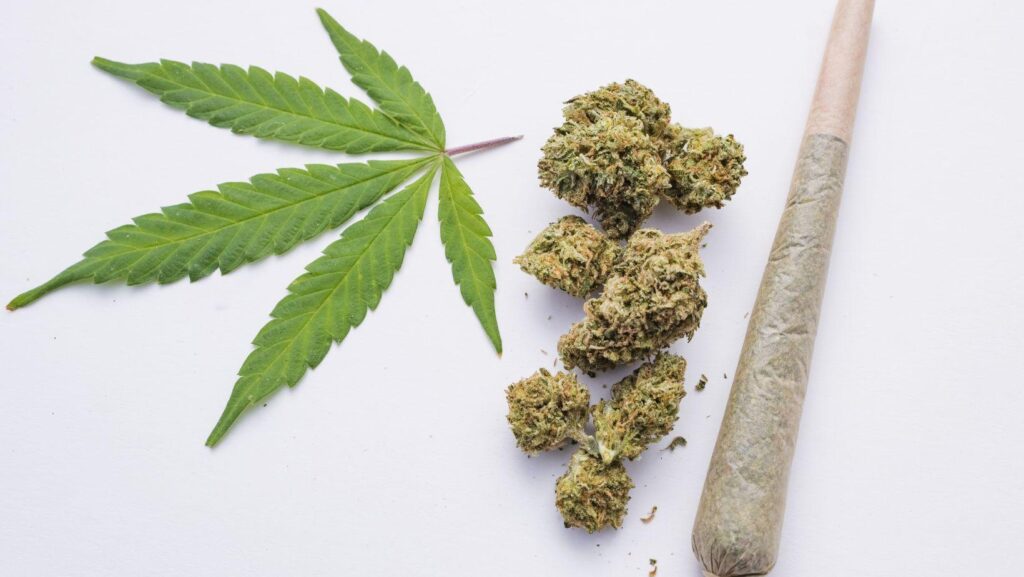
Mindful cannabis begins with understanding the plant. For many consumers, choosing cannabis is no longer only about THC percentage, strain names, or whether a product is labeled indica, sativa, or hybrid. More people now pay attention to cannabinoids, terpenes, flavor, aroma, genetics, product labeling, and how clearly a cannabis variety is described.
As consumers learn more about plant genetics, they often compare different seed types, terpene-rich profiles, cannabinoid balance, and modern cannabis varieties. Brands such as Fast Buds may appear in these conversations when people research genetics, flavor-forward strains, and plant diversity. Still, a mindful approach to cannabis is not about choosing a product because of a brand name alone; it is about understanding the full profile before making a decision.
This article is for educational purposes only and should not be considered medical or legal advice. Cannabis laws vary by country, state, and local jurisdiction, and consumers should always check local rules before buying, possessing, or using cannabis seeds or cannabis products.
What Does “Mindful Cannabis” Mean?
Mindful cannabis means making informed and responsible choices. It is about slowing down, reading labels carefully, understanding product descriptions, and recognizing that every consumer may respond differently to cannabis.
A mindful consumer does not choose a product only because it is popular, highly potent, or heavily promoted. Instead, they look at the complete profile: CBD content, THC content, terpene notes, flavor, aroma, genetic background, product type, and legal context.
Mindful cannabis also means being realistic. Cannabis products should not be treated as guaranteed solutions for wellness, sleep, stress, pain, or mood. Responsible cannabis content should educate consumers without making medical promises.
CBD: Why It Matters in Cannabis Wellness Conversations
CBD is one of the most widely discussed cannabinoids in cannabis wellness conversations. Many consumers are interested in CBD-rich products because they are often associated with lower-THC categories, balanced cannabinoid profiles, and a more wellness-oriented approach to cannabis.
However, CBD should not be described as a cure or guaranteed treatment. A responsible way to discuss CBD is to say that it is commonly included in wellness conversations and may appeal to consumers looking for products with a different cannabinoid balance.
CBD also helps consumers understand that cannabis is not only about THC. A product’s full cannabinoid profile can be more useful than focusing on one number alone. For some consumers, CBD-rich or balanced CBD:THC profiles may feel more aligned with mindful product selection than high-THC products.
Terpenes: Aroma, Flavor, and Plant Identity
Terpenes are natural aromatic compounds found in cannabis and many other plants, fruits, herbs, and flowers. They help create the smell and flavor that make one cannabis variety different from another.
For example, some cannabis strains may smell citrusy, earthy, floral, herbal, spicy, sweet, or pine-like. These differences are often connected to terpene profiles.
Common terpene directions include:
- limonene — citrus-style aroma;
- myrcene — earthy or herbal notes;
- pinene — pine-like aroma;
- caryophyllene — pepper or spice notes;
- linalool — floral or lavender-like notes.
Terpenes are useful for mindful consumers because they make cannabis easier to understand through sensory experience. Instead of looking only at potency, consumers can compare products by aroma, flavor, and overall plant identity.
Genetics: The Foundation Behind CBD and Terpene Profiles
Genetics create the foundation for how a cannabis variety may express cannabinoids, terpenes, flavor, aroma, and general strain identity. A plant’s genetic background can influence whether it is more CBD-rich, THC-rich, balanced, terpene-forward, fruity, earthy, floral, or dessert-like.
Genetics may also shape how stable and recognizable a strain profile is. Consumers often want cannabis products that match their descriptions. If a strain is described as citrus-forward, earthy, or CBD-rich, the consumer expects that profile to be clear and consistent.
Genetic background can include parent strains, hybrid positioning, CBD-rich genetics, feminized genetics, or autoflowering genetics. These categories help consumers better understand how a cannabis variety fits into the broader market.
CBD vs THC: What Consumers Should Understand
CBD and THC are two of the most discussed cannabinoids, but they are different.
|
Component |
What Consumers Should Know |
|
CBD |
Often discussed in wellness and lower-THC product contexts |
|
THC |
Commonly associated with intoxicating effects and potency |
|
CBD-rich profiles |
May appeal to consumers looking for a different cannabinoid balance |
|
THC-rich profiles |
Often chosen by consumers focused on potency |
|
Balanced profiles |
May combine different cannabinoids in one product |
A mindful consumer should read product labels carefully and understand what kind of cannabinoid profile they are choosing. CBD, THC, minor cannabinoids, and terpene notes can all influence how a product is positioned and understood.
The Role of Terpenes in Mindful Product Selection
Terpenes help consumers choose cannabis more thoughtfully because they provide information beyond strain names and potency numbers. A citrus-forward product, an earthy product, and a floral product may all feel different to consumers from a sensory perspective.
Flavor and aroma can also make cannabis more personal. Some consumers prefer fresh and herbal profiles. Others like sweet, fruity, creamy, or spicy notes. These preferences can guide product selection in a more mindful way.
A terpene profile does not guarantee a specific effect, but it can help consumers understand what kind of sensory experience a product may offer.
Why THC Percentage Is Not the Whole Story
THC percentage is still important to many consumers, but it is not the whole story. A high THC number does not automatically mean a product is better, more enjoyable, or more suitable for every person.
A mindful cannabis choice looks at the complete profile:
- cannabinoid content;
- CBD and THC balance;
- terpene notes;
- flavor and aroma;
- genetic background;
- product type;
- labeling quality;
- brand transparency.
For many consumers, a product with moderate THC, clear terpene identity, and a balanced cannabinoid profile may be more appealing than a product chosen only for potency.
Popular Wellness-Oriented Cannabis Profiles
Wellness-oriented cannabis content should avoid medical promises. Instead, it can describe common product categories and how consumers may compare them.
CBD-Rich Profiles
CBD-rich profiles are often discussed by consumers who are interested in lower-THC or non-intoxicating product categories. These products may appeal to people who want to understand cannabis beyond potency.
Balanced CBD:THC Profiles
Balanced profiles may include both CBD and THC in more even proportions. Consumers interested in cannabinoid balance often pay attention to these products because they offer a different profile than high-THC options.
Citrus and Herbal Terpene Profiles
Citrus and herbal profiles are often described as fresh, clean, and botanical. These may include lemon, orange, lime, mint, herbs, or tea-like notes.
Earthy and Pine Profiles
Earthy and pine profiles are often connected to classic cannabis aromas. These products may appeal to consumers who prefer natural, plant-forward flavor directions.
Floral and Lavender-Like Profiles
Floral profiles may include lavender-like, soft, or botanical notes. These descriptions are common in wellness-style cannabis writing because they create a calm and gentle sensory image without making medical claims.
How to Read Cannabis Product Descriptions More Carefully
Good cannabis descriptions should help consumers understand a product clearly. They should not pressure readers with exaggerated claims or unrealistic promises.
When reading a cannabis product description, consumers should look for:
- Cannabinoid profile
- CBD and THC percentages
- Terpene notes
- Flavor and aroma description
- Genetic background
- Product type
- Lab testing information
- Legal disclaimers
- Responsible effect language
- Brand transparency
A strong product description should explain what makes the product different. Is it CBD-rich? Is it citrus-forward? Does it have a balanced cannabinoid profile? Are the terpene notes clear? Does the brand avoid exaggerated claims?
Common Mistakes Consumers Make
One common mistake is choosing cannabis only by THC percentage. While potency matters to many consumers, it does not explain the full product experience.
Other common mistakes include:
- ignoring CBD content;
- ignoring terpene profiles;
- trusting vague strain names;
- assuming all wellness products are the same;
- believing guaranteed effect claims;
- not checking lab results;
- not checking local laws;
- overlooking product type and dosage information.
Mindful cannabis use starts with better information. The more consumers understand labels, genetics, cannabinoids, and terpenes, the easier it becomes to make thoughtful choices.
Responsible Wellness Language Around Cannabis
Cannabis wellness content should be careful and realistic. It should not use words like:
cures
treats
guarantees relief
medical solution
replaces medication
More responsible language includes:
commonly discussed in wellness contexts
may appeal to consumers looking for
often described as
associated with
part of a mindful cannabis routine
This kind of language helps keep cannabis content educational rather than misleading.
Legal and Responsible Consumer Reminder
Cannabis laws vary by country, state, and local jurisdiction. Consumers should always check local rules before buying, possessing, or using cannabis seeds or cannabis products.
Rules may differ for CBD, THC, seeds, flower, extracts, and finished products. Shipping rules may also vary depending on location and product type.
Educational articles about cannabis do not replace legal or medical advice. When consumers have legal or health-related questions, they should rely on official sources or qualified professionals.
Mindful Cannabis Begins With Better Understanding
CBD, terpenes, and genetics help consumers understand cannabis more clearly. A mindful approach means looking beyond hype, high THC numbers, and vague strain names.
CBD can be part of wellness-oriented cannabis conversations. Terpenes help explain aroma, flavor, and sensory identity. Genetics provide the foundation for cannabinoid potential, terpene expression, and strain consistency.
The best cannabis choices are informed choices. By reading labels carefully, understanding product profiles, and respecting local laws, consumers can approach cannabis with more awareness, responsibility, and confidence.