

There is a specific kind of craving that arrives without much warning and resists easy interpretation. It is not hunger exactly. It is not thirst in the conventional sense. It is the sudden, compelling desire for something cold, flavorful, and refreshing, the kind of craving that sends people to the refrigerator not for food but for something to drink that feels genuinely satisfying rather than merely adequate.
Most people act on this craving without giving it much thought. They reach for a soda, a flavored sparkling water, a juice, an iced tea, or whatever cold and appealing option is closest. The craving is satisfied, at least temporarily, and the moment passes without deeper consideration.
But the craving itself is communicating something more specific than a general preference for something tasty. The body’s sensory drives are not arbitrary. They are signals shaped by physiological need, evolutionary programming, and the nervous system’s ongoing effort to maintain the internal balance that keeps every system functioning properly.
Understanding what the craving for something cold and refreshing is actually expressing opens up a more informed and more effective way of responding to it.
The answer, according to nutrition researchers and sensory scientists, is almost always some combination of fluid deficit, electrolyte imbalance, and the body’s preference for palatability as a motivator of adequate consumption. And the implications of that answer extend well beyond the moment of the craving itself.
The Physiology Behind the Craving
Thirst, in its most basic form, is the body’s mechanism for signaling fluid deficit. But thirst as most people experience it, as a dry mouth or a vague awareness of wanting something to drink, is a relatively blunt instrument. It activates after a fluid deficit has already developed to a meaningful degree, and it is easily suppressed by competing sensory inputs, including hunger, stress, distraction, and the behavioral habit of ignoring physical signals during busy periods of the day.
The craving for something cold and specifically refreshing represents a more evolved version of this signal. Research into sensory-specific satiety, the phenomenon by which the appeal of particular sensory experiences is modulated by physiological need, has found that the body develops preferences for specific flavor and temperature profiles that correspond to its current internal state.
Cold temperature, for example, has a well-documented effect on the rate and volume of fluid consumption. Studies published through the Journal of the International Society of Sports Nutrition have found that people consistently drink larger volumes of cold beverages compared to room temperature ones, and that cold fluid is perceived as more thirst-quenching regardless of its actual hydration composition.
The body’s preference for cold is not casual aesthetics. It is a mechanism for encouraging more rapid and more complete fluid intake when the hydration deficit is significant enough to register as a drive state.
The preference for flavor is equally purposeful. Plain water, for all its hydration value, does not reliably motivate adequate consumption in people who find it unappealing or insufficiently rewarding. The craving for flavor in a cold drink reflects the body’s learned understanding that palatable fluids are consumed in greater volumes than unpalatable ones, which serves the goal of restoring fluid balance more effectively.
What the Craving Is Often Masking
Beyond the straightforward fluid deficit signal, the craving for something cold and refreshing frequently masks a more specific nutritional need that plain cold water, even when consumed willingly, cannot fully address.
Electrolyte imbalance is among the most common underlying drivers. When the body is low in sodium, potassium, or magnesium, the experience of wanting something more than plain water intensifies in ways that are difficult to articulate but easy to recognize. It is the feeling of drinking water and still feeling somehow unsatisfied, the sense that what is needed is not simply more fluid but fluid with something in it.
This experience has a physiological explanation. Electrolytes are required for the cellular absorption of water, meaning that fluid consumed without adequate mineral accompaniment is not fully utilized at the cellular level. The body, sensing that its hydration needs are not being met despite fluid intake, continues generating the drive state, the craving, in an attempt to prompt consumption of something more complete.
The role of natural water flavoring in addressing this dynamic is more significant than it might initially appear. Products that combine real fruit flavor with electrolyte minerals, and do so without the sugar load that makes conventional flavored drinks a nutritional compromise, satisfy the craving for something cold and refreshing while simultaneously delivering the mineral content that allows the body to actually use the fluid being consumed.
Readers curious about this approach can visit True Citrus to explore a flavored hydration range built around exactly this combination, using real citrus and fruit extracts alongside balanced electrolytes in formulations that address both the sensory and physiological dimensions of the craving at once.
Why the Body Gravitates Toward Flavor
The sensory dimension of the cold, refreshing craving is worth examining in more depth, because it reveals something important about how the body motivates behavior that serves its survival.
Flavor preference is not arbitrary. It is shaped by the body’s learned associations between specific taste profiles and nutritional outcomes. Sweet flavors signal the presence of carbohydrates and quick energy. Salty flavors signal the presence of sodium, an electrolyte the body cannot produce and must obtain from dietary sources. Sour flavors, including the citrus notes that make lemonade and similar drinks so consistently appealing, are associated with Vitamin C and other micronutrients historically available in fresh fruit.
The appeal of citrus-flavored cold drinks, one of the most universally reported flavor preferences in the cold and refreshing craving category, reflects this evolutionary association. According to research discussed by Psychology Today on the science of taste and food preference, the body’s preference for specific flavors is shaped both by nutritional need and by the learned reward associations that develop through repeated consumption. The craving for citrus and fruit flavors in the context of thirst represents a convergence of evolutionary programming and individual learned experience.
This is why products built around real fruit extracts rather than artificial flavor systems tend to satisfy the cold and refreshing craving more completely. Artificial flavors mimic the sensory profile of fruit without delivering the micronutrient compounds the body associates with that flavor profile, which can result in a craving that feels partially but not fully resolved even after consumption.
When the Craving Is Telling You Something More Specific
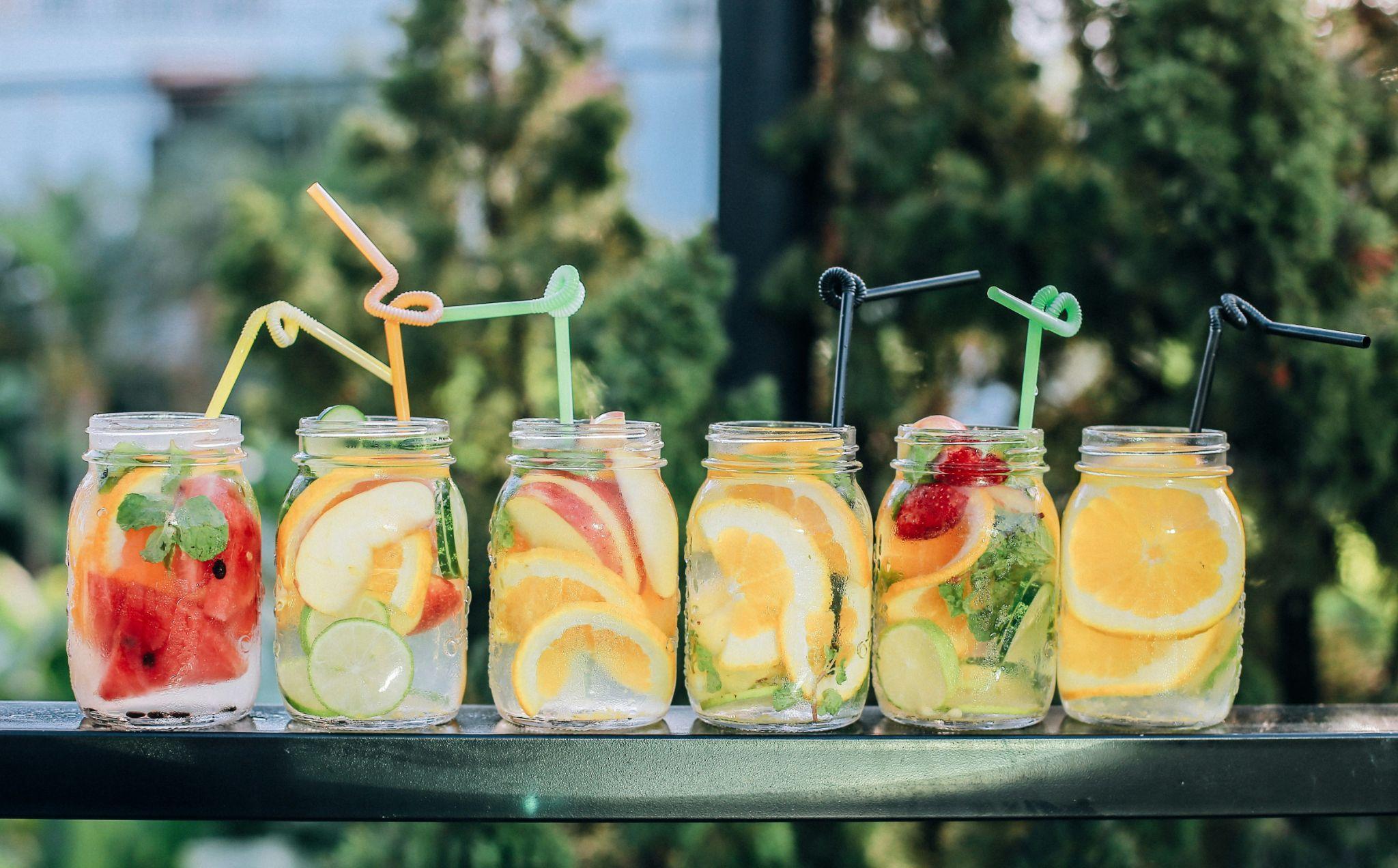
Not all cold and refreshing cravings are simple fluid deficit signals. The timing, context, and specific character of the craving can reveal more detailed information about what the body is actually asking for.
A craving that arrives in the mid-morning, before significant physical activity and after a coffee-heavy start to the day, is likely signaling a combination of mild dehydration and electrolyte loss from the diuretic effect of caffeine. The body is not simply thirsty. It is specifically depleted of minerals that the morning’s coffee consumption has accelerated the excretion of.
A craving that appears reliably in the early afternoon, particularly in people who have eaten a carbohydrate-heavy lunch, often reflects the blood sugar instability that follows a high-glycemic meal. The desire for something cold and refreshing in this context is partly a fluid need and partly a sensory reset, the nervous system seeking a palate-clearing experience that signals the end of the meal period and a return to alertness.
A craving that is difficult to satisfy, where multiple drinks are consumed without the sense of having addressed what the body wanted, is almost always an electrolyte signal rather than a fluid volume signal. The body does not keep asking for fluid after fluid volume needs have been met unless the mineral composition of the consumed fluid is insufficient to support cellular absorption. As the Cleveland Clinic has noted in its guidance on electrolyte balance, persistent thirst despite adequate fluid intake is one of the more telling signs that electrolyte levels need attention rather than simply fluid volume.
Responding More Intelligently to What the Body Is Saying
The craving for something cold and refreshing is one of the body’s more benign and more useful signals, a clear and actionable communication from systems that are working correctly and trying to prompt a response that will restore the balance they need.
The mistake most people make is responding to the sensory surface of the craving, satisfying the desire for cold, flavor, and refreshment without attending to the underlying physiological need the craving is expressing. A sweetened soda satisfies the sensory experience temporarily while adding sugar and providing no electrolyte or micronutrient benefit. A large glass of plain cold water addresses the fluid volume need but may leave the mineral component unresolved.
The most complete response to this particular craving is a cold, flavorful, electrolyte-containing drink made with real fruit flavor and no added sugar, consumed in a volume sufficient to address both the sensory drive and the physiological deficit. It is a simple answer to what the body is asking for. It is also, for a growing number of products in the functional hydration space, an increasingly available one.
The craving was never random. It was always trying to tell you something specific. The question is whether the response is listening carefully enough to give the body what it actually needs.