

Discover cutting-edge clinical treatments designed to reduce inflammation, repair cells, and accelerate your athletic recovery safely.
Pushing your physical limits requires a dedicated approach to healing your body safely. Whether you are an endurance runner or a weightlifter, managing inflammation is crucial for long-term physical longevity. Many active individuals are now turning to glutathione injection therapy to rapidly neutralize oxidative stress. Clinical data from recent sports medicine reviews confirm that targeted clinical interventions significantly reduce muscle reinjury rates. In this guide, you will discover four popular clinic-based treatments designed to accelerate muscle healing and support your overall well-being.
Key Goals of Modern Athletic Recovery
Passive rest is no longer considered the most effective way to bounce back from intense physical exertion. Modern athletes and wellness enthusiasts rely on active modalities that support the body on a foundational cellular level. Regenerative science is transforming healing by actively repairing tissues rather than simply masking pain. Additionally, a University of California, Irvine study revealed that specific enzymes control how muscle stem cells process glucose to successfully rebuild damaged tissue. Understanding these metabolic processes helps clinicians design better protocols to decrease systemic inflammation effectively and consistently.
When evaluating cutting-edge therapies, it is important to understand what they actively achieve within your body. Effective clinical recovery protocols focus on flushing out metabolic waste and toxins processed by the liver during heavy exertion. For example, an analysis of athletic training routines showed that active recovery modalities accelerate healing processes that passive rest leaves entirely to chance. Restoring cellular hydration and replenishing depleted antioxidant levels ensures that micro-tears in muscle fibers heal efficiently without scarring. These targeted interventions allow active adults to maintain higher training volumes without experiencing chronic fatigue or structural breakdown.
4 Professional Wellness Therapies
1. Antioxidant Injection Therapy
| Category | Details |
|---|---|
| Therapy Type | Intramuscular (IM) antioxidant injection |
| Core Benefit | Fast support for exercise-related oxidative stress |
| Delivery Method | Administered by licensed medical professionals |
| Ideal Candidate | Active individuals seeking convenient preventive wellness support |
Some medical wellness clinics offer intramuscular antioxidant injections as part of a broader recovery and preventive care program. These treatments are designed to deliver concentrated antioxidants directly into muscle tissue, which may support absorption more efficiently than oral supplements. Because the digestive system is bypassed, this method is often chosen by people looking for a more direct approach to post-workout recovery and general wellness support.
These injections are typically administered in supervised clinical settings by qualified providers to help maintain safety and dosing accuracy. Antioxidant-focused treatments are often used to support recovery from physical stress, promote overall wellness, and complement broader lifestyle goals such as exercise performance, skin health, and healthy aging.
2. IV Infusion Therapy
| Category | Details |
|---|---|
| Therapy Type | Intravenous (IV) infusion therapy |
| Core Benefit | Hydration and direct nutrient delivery |
| Session Length | About 30 to 60 minutes |
| Considerations | Requires medical screening and may not suit every patient |
Intravenous infusion therapy is commonly used in wellness and recovery settings to provide fluids, antioxidants, and nutrients directly into the bloodstream. This delivery method is often selected by individuals seeking hydration support and more immediate nutrient availability, especially after heavy exertion or during periods of physical fatigue.
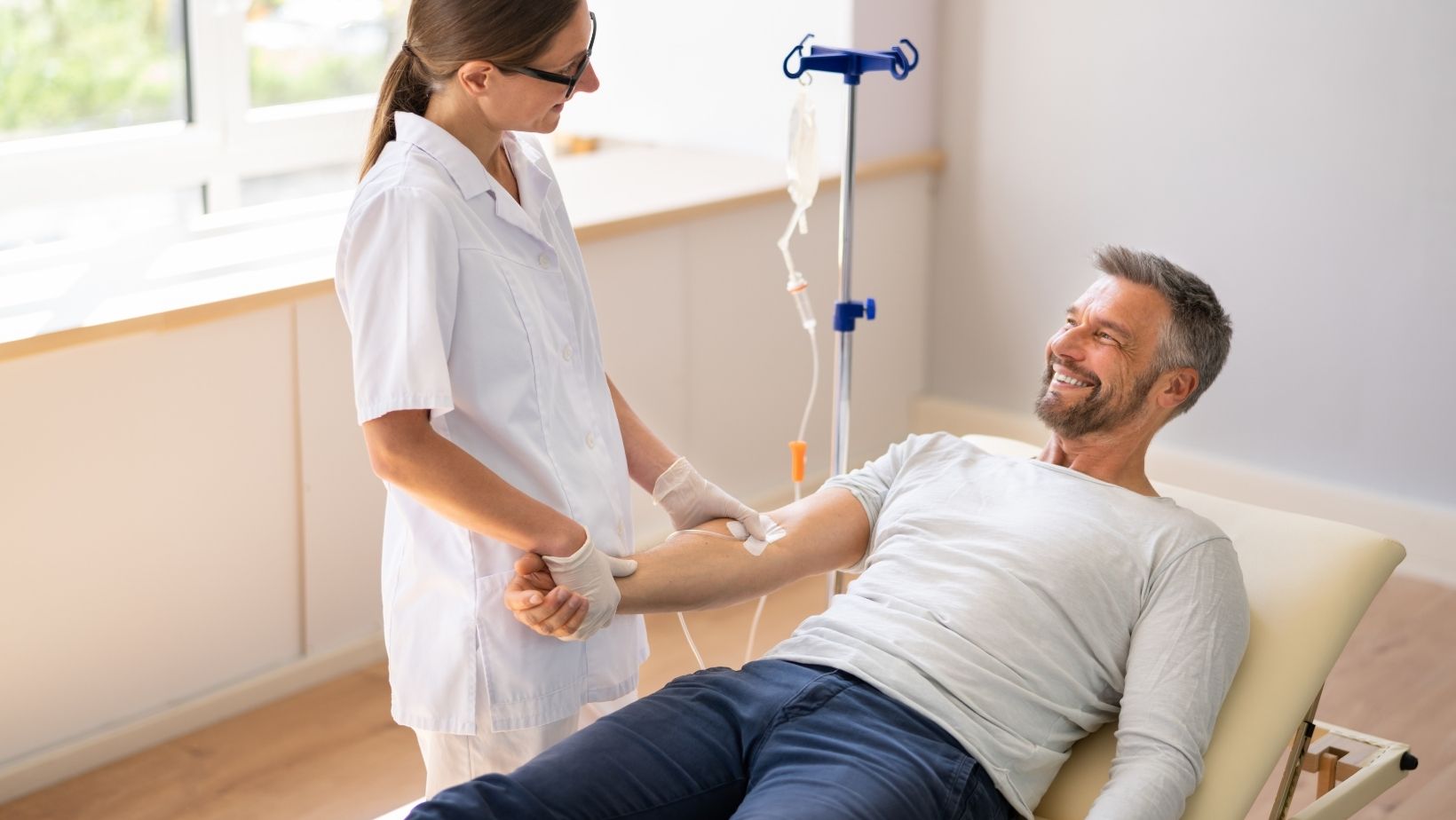
Because IV therapy is a clinical treatment, sessions are generally supervised by trained professionals who assess suitability and monitor the infusion process. Protocols may vary depending on individual goals, and some people may need medical clearance before beginning treatment. For appropriate candidates, IV therapy can be part of a broader recovery strategy focused on hydration, replenishment, and overall restoration.
3. Clinical Wellness and Recovery Therapy
| Category | Details |
|---|---|
| Therapy Type | Personalized wellness and recovery therapy |
| Core Benefit | Support for systemic fatigue and long-term recovery goals |
| Safety Standard | Provided under clinical supervision |
| Ideal Candidate | Individuals focused on joint, tissue, and long-term physical health |
Many wellness clinics now emphasize individualized recovery programs that address the physical demands of training, stress, and aging. These programs may combine antioxidant support, recovery-focused compounds, and other medically supervised interventions tailored to each person’s needs. The goal is often to reduce fatigue, support tissue recovery, and promote long-term resilience.
A personalized clinical approach can be especially valuable for active adults who want structured support for recovery and ongoing physical performance. By focusing on safe administration and individualized care, these therapies aim to help patients manage muscle soreness, maintain joint comfort, and support sustainable wellness over time.
4. Percussive Massage Therapy Devices
| Category | Details |
|---|---|
| Therapy Type | Percussive massage device |
| Core Benefit | Localized muscle relief and circulation support |
| Key Technology | High-frequency percussive motor system |
| Industry Trust | Commonly used in sports and fitness settings |
Mechanical recovery tools such as percussive massage devices have become a popular non-invasive option for managing muscle tension and soreness. These devices use rapid, targeted pulses to stimulate soft tissue, which may help support circulation, improve mobility, and ease post-exercise discomfort.
Because they can be used at home or on the go, percussive massage tools are often integrated into everyday recovery routines. Many people pair them with stretching, hydration, or clinical wellness therapies to create a more comprehensive approach to physical maintenance and recovery.
Creating a Personalized Approach to Recovery
Taking a proactive approach to your physical recovery dramatically improves your athletic performance and daily comfort over time. From high-dose antioxidant injections to advanced percussive massage devices, today’s clinical tools offer incredible support for deep cellular repair. Combining distinct recovery methods reliably enhances functional outcomes. Selecting the right combination of therapies ensures your body remains resilient against the extreme physical demands of your favorite activities. Always take the time to consult with a medical professional to properly build a tailored recovery protocol that fits your specific lifestyle.
Medical Disclaimer: This article is intended solely for general informational use and should not be considered a replacement for professional medical advice, diagnosis, or treatment. For any concerns or questions about a health condition, consult your doctor or another licensed healthcare professional.