
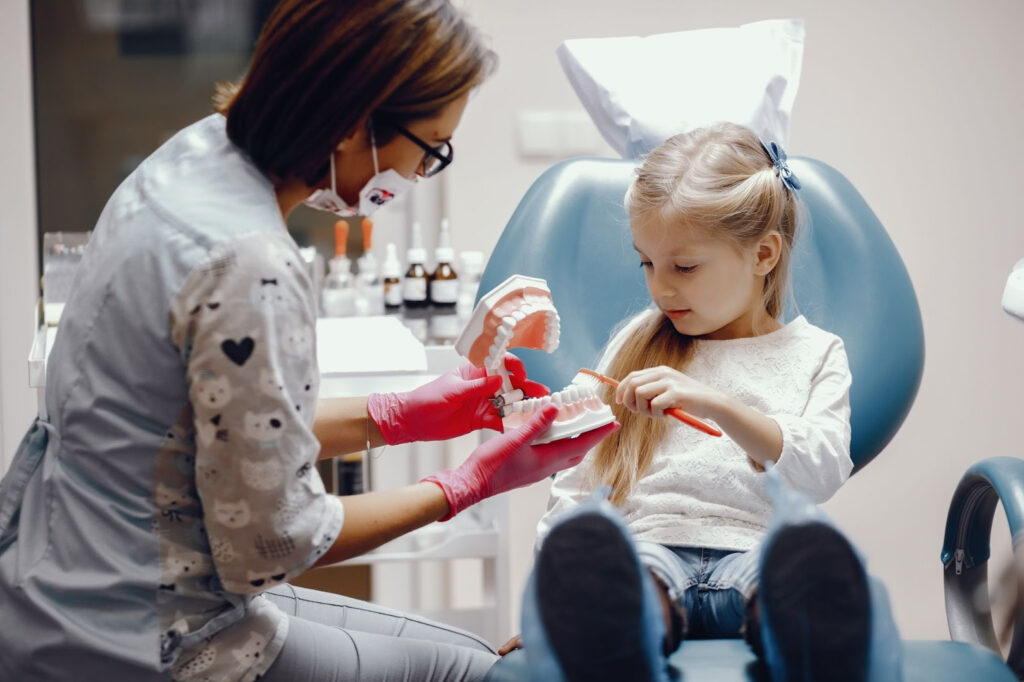
Pediatric dental care requires a significantly different approach compared to adult dental care. This is because they are working with developing teeth, different behaviors, and children who often need special needs
Pediatric dental care helps kids avoid a lot of dental problems that can happen, which means they will have a healthy, stress-free future as they grow up. This is also in line with what experts say is the best time for a first visit to the dentist.
Clinics like Smiles+Grins focus on preventive pediatric dentistry and corrective care for adults, thereby catering to the entire family.
Anatomical and Physiological Differences in Children’s Oral Structures
Children’s teeth and jaws differ from those of adults. These differences affect how they are treated and the procedures they can undergo. Some anatomical and physiological differences include:
- Primary teeth are twenty in total, while the adult teeth are 32 in number.
- Primary teeth are smaller than adult teeth.
- Primary teeth have thinner enamel and dentin layers.
- Primary teeth have bigger pulp chambers compared to the crown.
- Primary teeth have more prominent pulp horns, which can allow decay to spread quickly.
- The roots of primary teeth are more slender and ribbon-like.
- The cementum-enamel junction of primary teeth differs from that of permanent teeth. These characteristics necessitate that the dentist employ methods to prevent exposure or harm to the pulp.
- Adult teeth have a more protective structure and complex roots. This allows for more invasive procedures.
The Unique Role of Primary Teeth in Overall Development
Primary teeth play a significant role in the development of children. For one, they help in the early digestive system of the child.
The primary teeth also help in sound and speech formation. If the primary teeth do not form well or there is decay, it can lead to speech delays. Speech delays may require months or even years of therapy. Furthermore, primary teeth act as placeholders. They maintain space and guide permanent teeth into correct positions for proper alignment and jaw development.
All these are considered in the dental care for children to provide good results.
Developmental Stages and Dental Milestones
Children’s oral development follows stages that need age monitoring. Primary teeth begin to form at 6 months, with the lower central incisors forming first. Primary teeth keep erupting until about three years, when they reach twenty teeth.
The mixed dentition phase starts at six years. At this stage, primary teeth fall out, and permanent teeth come in. The first permanent molars appear at six years. Permanent incisors, canines, and permanent premolars appear through twelve years. Wisdom teeth develop later, usually by age 17 or close to 21.
Pediatric dental care is important during these stages as there can be tooth discomfort, jaw changes, and other issues that require proactive care. The proactive care catches crowding and misalignment early.
Behavioral and Psychological Considerations in Pediatric Patients
Children get anxious because they do not know what to expect during dental visits.. Dental anxiety and fear start to creep in and this can make them less likely to comply with the doctor’s requests.
Pediatric dentistry harnesses some child psychology principles to reduce anxiety. Parents also help calm their child during visits.
Preventive Care as the Core Focus in Pediatric Dentistry
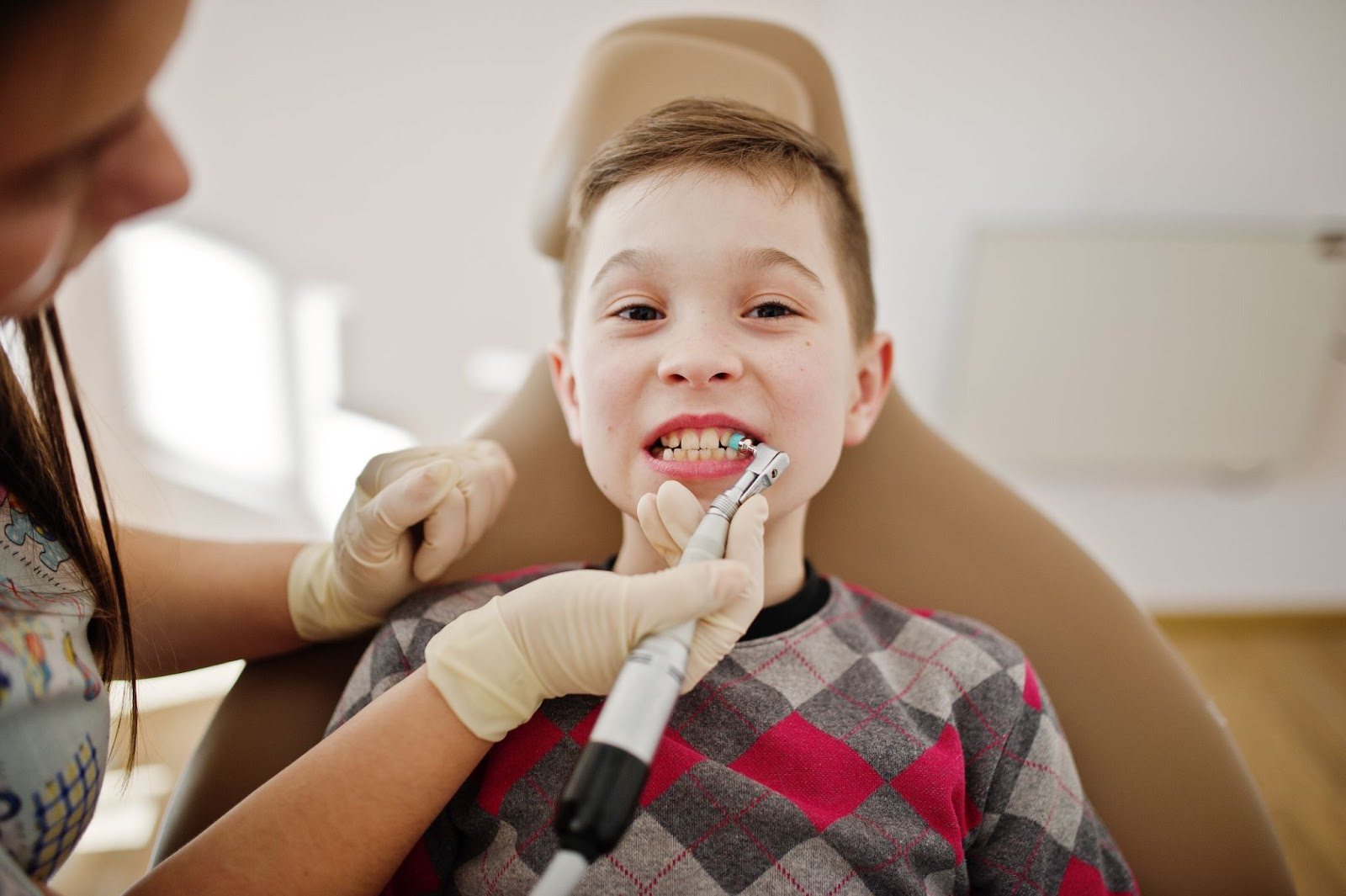
Many of the dental issues adults experience can be prevented in early years. Early detection can also reduce the severity of the problems, saving us money and time. Early trips to the clinic during a child’s growth set the stage for their future.
A lot of kids get used to the process, which makes it easier to keep an eye on and evaluate them as they grow.
Adapted Treatment Techniques and Pain Management for Children
Pediatric dentistry treats patients using minimally invasive methods. It uses silver diamine fluoride for decay and restorative options to preserve the tooth structure. It uses pain management approaches such as anesthetics, nitrous oxide, or sedation when needed.
Pain management adds behavioral help to keep the experience positive. Adult care does not focus on comfort as pediatric dentistry but is more routine.
In conclusion
Pediatric dentistry considers children’s anatomy, the way baby teeth grow, children’s behavior, and a focus on prevention. The aim is a smile for life. Dentists at Smiles+Grins make early visits positive while helping families understand the differences in care.
As dental care evolves, early treatment is an important part because it prevents problems and builds confidence.
What are your thoughts on starting care? Share your experiences in the comments.