
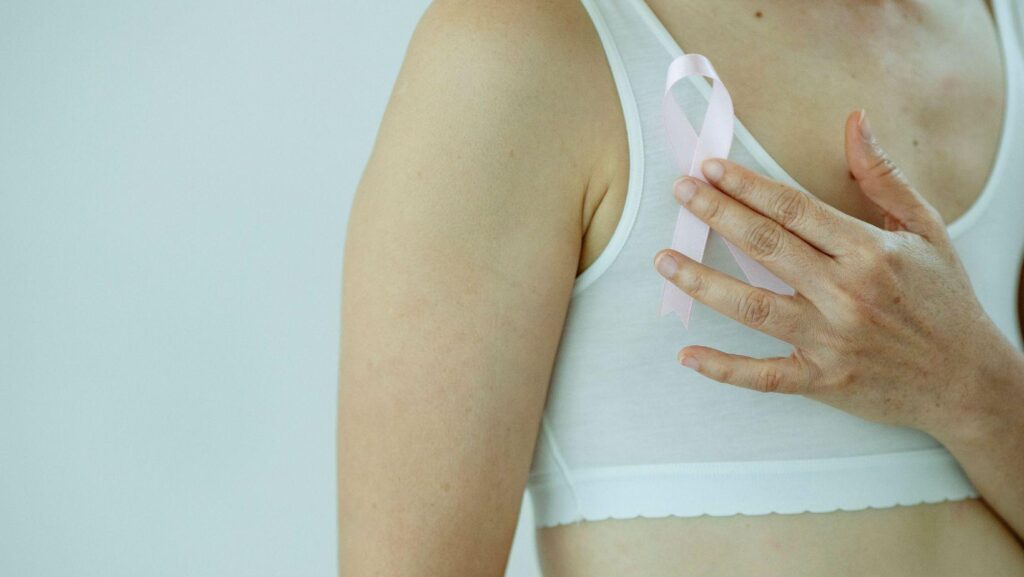
Breast removal surgery or mastectomy involves removing part or all of the breast tissue, most often to deal with or reduce the risk of breast cancer. Mastectomy is done when a woman has or is at risk of having breast cancer based on genes like BRCA, a previous history of cancer, or abnormal imaging results.
Total mastectomy is when the whole breast is surgically removed, whereas partial mastectomy involves the excision of the cancerous lump together with part of the breast tissue. A double mastectomy may sometimes be performed if there is a risk that the other breast may develop cancer.
It can be very difficult dealing with home when someone perceives themselves physically following a mastectomy. The change can affect your self-esteem, relationships, clothing choices, and day-to-day well-being. Thankfully, it’s possible to regain your physical image through various strategies. For instance:
Breast Reconstruction
You can consider breast reconstruction after mastectomy, which may use implants or your own tissue to recreate breast shape. However, before going for this option, you must learn about the process, especially the size you want.
For implant-based reconstruction, questions about proportion and volume become central. For instance, many people ask, “How big is a 500 cc breast implant?” In practice, a 500 cc implant is considered large and typically measures about 12 to 13 cm in diameter. It means it can increase your bust size to a C or D cup, but it ultimately depends on your starting size and chest width.
Knowing about these size and volume issues is vital, especially if you’re seriously thinking of reconstruction and later size adjustment after mastectomy. The goal shouldn’t just be to add volume but to achieve a result that feels balanced, natural, and aligned with your body image goals.
It’s true that reconstruction can improve body image for some women, but it’s not a guaranteed emotional solution, and outcomes depend partly on side effects, symmetry, expectations, and personal priorities. For some, moderate volumes work better, but for others, a larger volume, such as 500 cc, may better match their desired transformation. Be sure to consider your options and requirements before making the final decision.
External Breast Prosthesis
Breast prosthesis (breast form or insert) is yet another option to use when trying to maintain shape under clothing after breast cancer surgery. The prosthesis can be made of foam, silicone, or fiberfill materials. A well-fitted breast prosthesis can contribute to symmetry and better posture.
This technique is recommended for ladies who are unwilling to undergo additional surgery, are in recovery, or simply prefer a removable device. The good thing is that custom prostheses can be tailored to your chest contour, skin tone, and even areola size, which is useful for visible clothing.
Choosing to Remain Flat
For some women, however, feeling good about their body image doesn’t involve any alterations to the breast. Rather, it means coming to terms with the transformation, wearing appropriate clothing that doesn’t restrict movement, and establishing a whole new definition of femininity for themselves.
The reality is that reconstruction and prostheses are matters of personal preference, and staying flat is perfectly acceptable. This option may still require assistance, such as counseling sessions and styling adjustments, but it can be incredibly empowering because it focuses on autonomy, self-confidence, comfort, and honesty rather than meeting an external standard.
Endnote
Healing after mastectomy is not about fixing what you have lost but about rebuilding a sense of self. Prosthetics, breast reconstruction, or remaining flat are all viable options, but only when combined with psychological support, appropriate expectations, and some patience.