
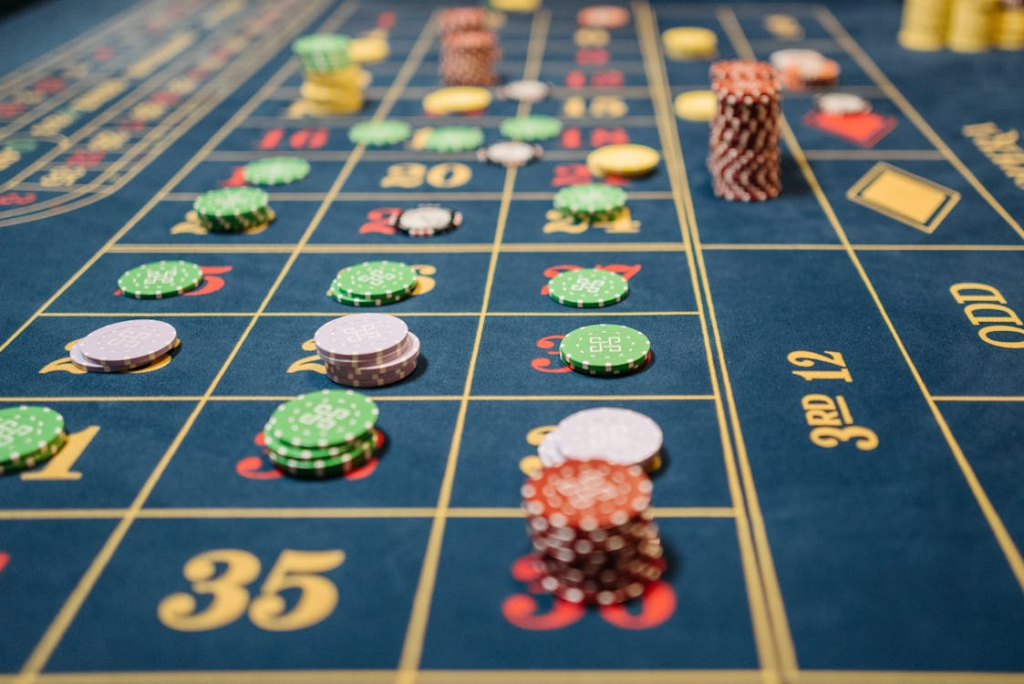
Casino games look harmless at first glance. Bright lights. Smooth motion. Clean screens. Nothing feels heavy or serious. That is by design. Modern casino games use visual tricks to change how players feel. Time feels shorter. Money feels lighter. Risk feels smaller.
These tricks are not accidents. They are carefully tested design choices. Every color, shape, and animation plays a role. The goal is not to confuse players. The goal is to guide perception without being noticed.
Spacing That Makes Money Feel Abstract
One of the first tricks is spacing. Bets are rarely shown as large blocks of value. Instead, they appear as small chips or icons. Even when real money is used, the layout breaks it into pieces.
Wide spacing between numbers reduces tension. A £1 bet does not look serious when it floats alone on a clean screen. Compare that to a bank statement. That is tight. That feels real, and casino games like Azurslot avoid that feeling.
Spacing also slows emotional response. When numbers are spread out, losses do not feel sharp. The screen feels calm, even as money leaves.
Colors That Lower Alarm Signals
Color choice is powerful. Casino games avoid harsh tones. You will not see much red linked to losses. You will see blues, purples, and golds instead.
Blue feels safe. Gold feels rewarding. Purple feels premium. These colors reduce stress. They soften negative moments. Even losing screens often glow warmly.
Green is used carefully. It suggests success. It also suggests “go.” When wins flash green, the brain responds faster. Losses rarely get that treatment.
Animations That Stretch Wins and Shrink Losses
Animations change how time feels. Wins are slow and dramatic. Coins fall. Lights pulse. Sounds repeat. The moment is extended.
Losses are fast. A spin ends quickly. The screen resets. The game moves on. This imbalance matters. The brain remembers longer moments better. Wins feel larger because they last longer.
Even small wins get animations. This creates the sense of success, even when the payout is lower than the bet. Time becomes distorted by motion.
The Illusion of Control Through Interface Design
Buttons are placed with care. Bet increase buttons are often larger than decrease buttons. Auto-play sits close to spin. Cash-out sits farther away.
These choices guide behavior without forcing it. The interface feels friendly. It feels helpful. Players feel in control, even when outcomes are random.
Sliders are another trick. Adjusting bets with a slider feels gentle. It does not feel like spending. It feels like tuning a setting. That reduces resistance.
Risk Hidden Behind Friendly Icons
Risk is rarely shown directly. Odds are buried. Percentages are hidden. Instead, players see symbols, stars, or meters.
A “low volatility” label feels comforting. A “bonus chance” icon feels exciting. Few players stop to calculate real risk. The interface does that thinking for them.
Progress bars also play a role. They suggest advancement. Even when the goal resets, the journey feels meaningful. Risk feels like progress, not danger.
Sound and Motion Working Together
Visual deception is not alone. Sound supports it. Soft clicks replace harsh alerts. Wins have musical tones. Losses are quiet.
When visuals and sound align, the effect doubles. A flashing light with a rising tone creates excitement. The brain links sound to reward.
Silence is also used. Long, quiet moments reduce urgency. The game never rushes the player. Time slows down, even as hours pass.

How Time Disappears Inside the Game
Clocks are rare in casino games. Session timers are hidden. The screen exists in its own world. Animations loop smoothly. There are no sharp transitions. This removes natural breaks. Without breaks, time blends.
The game never tells you to stop. It just keeps offering the next moment. The design removes friction, not choice.
Mobile Design Makes It Even Stronger
On mobile screens, these tricks intensify. Small screens limit context. The game fills the vision. Gestures replace buttons. Swipes feel casual. Taps feel light. Spending money feels like touching glass, not handing over cash.
Notifications pull players back in. The game resumes where it left off. There is no reset. Time continues silently.
Why These Tricks Work So Well
The human brain relies on shortcuts. Visual cues help make decisions fast. Casino games exploit that natural behavior.
When something looks small, it feels small. When something moves slowly, it feels safe. When something shines, it feels good. None of this requires deception through lies. It works through perception. That makes it hard to resist.
Awareness Changes the Experience
Knowing these tricks does not ruin games. But it changes how they feel. Once seen, spacing looks intentional. Colors look strategic.
Players can pause more often. They can notice how losses pass quickly. They can see how wins are stretched. Awareness restores balance. The game stays the same. The player changes.