

A good meal can calm a rough day fast. A shared meal can do something else entirely. It can reset the room.
Two people step into a kitchen a little tired, maybe hungry, maybe cranky, and then something shifts. One starts peeling potatoes. The other reaches for onions, then changes their mind, then reaches back. A cutting board gets crowded. Butter hits a hot pan and the smell spreads into the hallway. Nobody says, “Now we are making a memory.” That would be weird. Still, that is what starts happening.
Traditional Ukrainian food is built for this kind of night. It is generous food. Honest food. Food that takes up space on the table and asks people to slow down a bit. There is very little of that sleek, tiny-portion energy here. A bowl of borscht wants bread next to it. Varenyky want sour cream and fried onions. Deruny want to come straight from the pan while somebody steals one before dinner officially starts.
A lot of people who feel pulled toward Ukrainian culture first notice the warmth around the home itself—family habits, table customs, the strong value placed on feeding people well, the old idea that care should be visible in daily life. That curiosity can show up in many forms, from recipes and traditions to learning more about Ukrainian brides in USA. Food sits right in the middle of that picture. It tells you, without trying too hard, what matters.
And I think that is why these recipes suit couples so well. They are not flashy. They are not precious. They invite teamwork, tasting, joking, little disagreements over seasoning, then a solid dinner at the end of it all. It feels human. Slightly messy. Better that way.
Why Ukrainian recipes are so good for couples
Some cuisines are great for speed. Some are good for showing off. Ukrainian home cooking is better at drawing people into the same rhythm.
That starts with the process. Many classic dishes work best when two people share the job. One rolls dough while the other makes filling. One watches the soup, the other chops dill. Cabbage rolls become less of a project when somebody handles the leaves and somebody else mixes rice and meat. The work is simple, though not always quick, and it gives both people something to do with their hands while the rest of the evening opens up.
There is also the comfort factor. Ukrainian food carries weight in the best sense. It is built around potatoes, cabbage, beets, flour, onions, mushrooms, butter, sour cream, farmer cheese, buckwheat, broth. Ingredients that feel familiar even if the final dish is new. You are not staring at a list that reads like a chemistry set. You are looking at things that belong in a home kitchen.
Maybe that is part of the charm. A couple does not need to turn dinner into a performance. No need for tiny herbs balanced on designer plates. No need for that “restaurant at home” pressure. A strong pot of soup, a tray of cabbage rolls, a plate of dumplings—that already carries enough feeling.
A few pantry basics make everything easier
Traditional Ukrainian cooking gets a lot less intimidating once you see how often the same ingredients come back around. Buy a small set of basics and a bunch of doors open.
Here are some of the most useful staples to keep around:
- potatoes
- onions
- beets
- carrots
- cabbage
- garlic
- dill
- parsley
- sour cream
- butter
- sunflower oil
- eggs
- flour
- mushrooms
- rice or buckwheat
- farmer cheese or dry cottage cheese
- broth
- black pepper
- bay leaf
That list is not fancy. Good. Fancy is overrated on weeknights.
It also helps couples who are still learning how to cook together without stepping on each other’s nerves. Familiar ingredients reduce the stress. Nobody wants a relationship test disguised as dinner. Better to start with food that feels grounded and forgiving.
Varenyky turn the kitchen into an event
If somebody asked me which Ukrainian dish feels most naturally romantic, I would not pick the prettiest one. I would pick varenyky.
These dumplings are soft little pockets filled with potato, cheese, cabbage, mushrooms, cherries, or other fillings depending on the season, the household, and who is making them. They are simple on paper. In real life, they do something special. They create a rhythm in the kitchen.
One person can make the dough while the other handles filling. Then both settle into the same repeating motion: roll, cut, fill, fold, press. After a few minutes, conversation stops feeling forced. It becomes part of the pattern. You talk. Then you go quiet. Then one dumpling tears and somebody laughs. Then you keep going.
Potato with fried onion is the easiest place to begin. It is rich, savory, filling, and hard to dislike. Farmer cheese works beautifully too, with salt for a savory batch or a little sugar if you want something softer. Mushroom filling feels earthy and a bit deeper. Sour cherry is an excellent surprise for later in the evening, maybe with melted butter or a spoonful of sweet cream.
A few beginner notes matter more than anything else:
- do not make the dough too dry
- do not overfill each round
- press edges well
- keep shaped dumplings covered with a towel
- boil gently, not aggressively
Once cooked, varenyky need only a few finishing touches. Butter. Sour cream. Fried onions. Fresh dill if you have it. Black pepper if the filling can handle it. Nothing complicated. The dumplings do the heavy lifting already.
There is a reason this dish works so well for couples. The job is shared. The result looks generous. Imperfections do not matter at all. A slightly uneven dumpling still tastes terrific. A messy one becomes the cook’s reward before serving. Nobody loses.
Borscht makes the whole house feel different
Borscht is a pot of soup, yes. It is also a mood.
The classic red version is built on beets, cabbage, carrots, potatoes, onions, broth, and usually some tomato for extra depth. Some people use beef stock, some pork, some keep it vegetarian. Every family has an opinion. Every family seems convinced their version is the one that makes sense. That stubbornness is kind of part of the charm.
For couples, borscht works because it changes the pace of the evening. This is not a six-minute skillet dinner swallowed in front of a screen. It takes preparation. Vegetables need peeling, slicing, shredding. The pot needs time. The broth grows richer as it cooks. The color deepens. Steam starts clouding the windows if the weather is cold enough. A kitchen with borscht on the stove feels occupied in the nicest way.
And the smell—man, the smell matters. Sweet beet, onion, cabbage, broth, garlic, a hint of bay leaf. It settles into the room and stays there.
Making it together is easy to divide up. One person can handle beets and carrots. The other can manage potatoes and cabbage. Someone tastes for salt. Someone adds a spoon of sour cream at the table and claims that is the only correct move. They may be right.
Serve borscht with:
- dark bread or rye
- sour cream
- chopped dill or parsley
- fresh garlic on the side
- salo or smoked meat if that suits your table
A nice thing about borscht, maybe my favorite thing, is that it often tastes even better the next day. So one dinner becomes two. That feels deeply domestic in a way many modern meals never manage.
Deruny bring a bit of noise and fun
Not every shared recipe needs hours of effort. Some dishes should hit fast, loud, and crisp. Deruny do exactly that.
These Ukrainian potato pancakes are made from grated potatoes, onion, egg, flour, salt, pepper, then fried until the edges go golden and irregular. Good deruny are crisp outside, tender in the middle, hot enough to make you juggle them between fingers before taking the first bite.
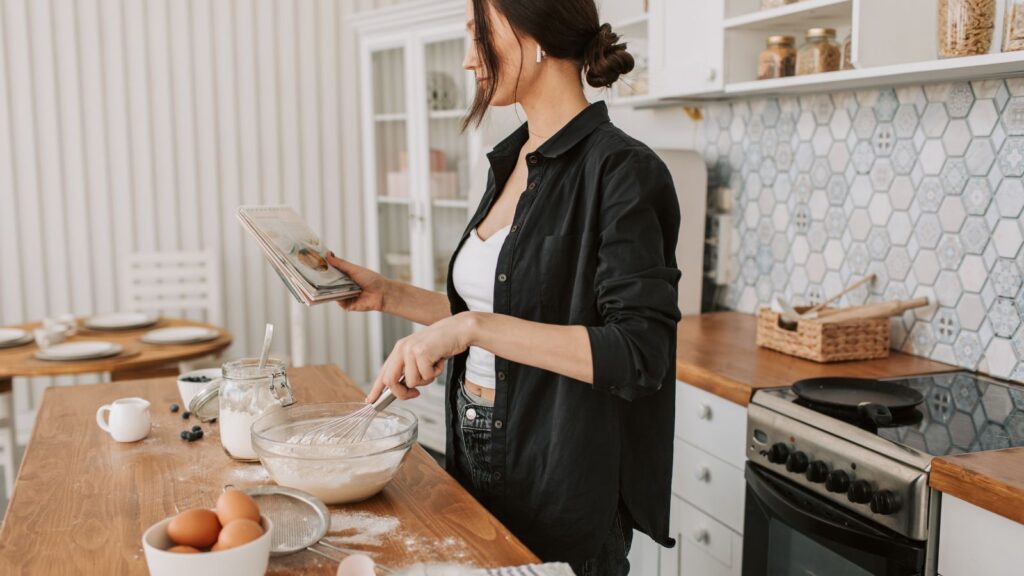
This dish is playful. One person grates. The other squeezes moisture out of the potato mixture and sets up the skillet. Oil pops. Somebody tests the first pancake and says it needs more salt. Somebody else says no, it is fine. Then everyone eats one standing up. This feels correct.
A few topping ideas make them even better:
- sour cream and dill
- mushrooms cooked with onion
- smoked salmon
- garlic sauce
- applesauce for a sweet-savory contrast
Deruny are excellent for couples because they do not create pressure. No elaborate shaping. No long bake. No perfect presentation needed. You fry in batches and eat them as they come. The kitchen stays active. The table fills slowly. People end up talking between bites because they are waiting for the next round anyway.
There is something joyful about a recipe that refuses to become elegant. Deruny are happiest when they look rough and taste incredible.
Holubtsi reward patience and teamwork
Stuffed cabbage rolls, or holubtsi, are not beginner food if the goal is maximum convenience. They take time. They take stages. They ask for patience.
That might sound like a warning. I do not mean it that way.
Holubtsi are great for couples because they create a little system inside the kitchen. One person softens cabbage leaves. The other makes the filling with meat, rice, onion, pepper, and whatever little house touches the recipe calls for. Then both sit down and start rolling. Fold in the sides. Roll forward. Set each one seam-side down in the pot or baking dish. Repeat until the tray fills up.
The work becomes calm after a while. Almost meditative. Strange word for cabbage rolls, maybe, though I stand by it.
The filling can vary quite a bit. The classic version uses ground pork or beef with rice. Some households add carrots. Some lean more heavily on onion. Vegetarian batches with mushrooms and buckwheat are excellent too, richer than people expect. Tomato sauce is common, though some versions include sour cream in the bake. Both are good. Honestly, few things are sadder than somebody pretending there is only one “real” way to make family food.
Holubtsi shine when:
- the cabbage leaves are soft enough to roll easily
- the filling is seasoned before wrapping
- the sauce has enough moisture
- the rolls cook long enough to turn tender all the way through
This is comfort food that feels serious without being stiff. A tray of cabbage rolls on a table says someone cared enough to spend time. That message lands. It always lands.
Syrnyky make breakfast feel softer
Dinner gets most of the attention when people talk about cooking together. Breakfast deserves more respect.
Syrnyky, those tender cheese pancakes made from farmer cheese or dry cottage cheese, are one of the nicest ways to start a slow morning with someone. They are lightly sweet, golden outside, soft in the middle, and easy enough to make without fully waking up first.
The mixture usually includes cheese, egg, a little flour, a bit of sugar, maybe vanilla if the household likes it. Some people add raisins. Some hate raisins with a level of passion that feels disproportionate. Couples can settle that battle on their own.
Once the dough is mixed, shape small rounds, dust them with flour, and fry them in butter or oil until both sides brown nicely. Serve with sour cream, jam, berries, honey, fruit compote, or just a little powdered sugar if that is what is around.
The feeling of this dish matters as much as the flavor. Syrnyky belong to mornings with no hard edge to them. No rush. No formal plan. One person makes coffee, the other watches the pan. Somebody opens a window for a minute because the room is warm from cooking. These are tiny details, though they tend to stick in memory longer than people expect.
A simple Ukrainian menu for two
Trying to cook five new dishes in one night is a bad idea for most couples. One strong main dish and one or two easy sides usually works better. The goal is connection, not kitchen collapse.
Here are a few pairings that fit different moods.
For a cold evening
- borscht
- rye bread with butter
- cucumber salad with dill
For a hands-on date night
- varenyky with potato and onion
- sour cream
- sautéed mushrooms
For a relaxed weekend brunch
- syrnyky
- berry jam
- black tea or coffee
For a slower Sunday dinner
- holubtsi
- mashed potatoes
- pickles or fermented vegetables
For a quick comfort meal
- deruny
- mushroom topping
- fresh herbs
- sour cream
That is enough. More than enough, really. Good meals do not need a parade of side dishes to feel full.
Table habits matter almost as much as the recipes
A meal can taste great and still feel rushed. This is where table habits come in.
Ukrainian home meals often carry a sense of generosity that goes beyond what is actually cooked. Bread stays close. Condiments stay on the table. People serve each other. Seconds are offered almost automatically. Guests are watched over in a way that can feel intense if you are not used to it, though it usually comes from affection, not pressure.
Couples can borrow a few of those habits and instantly make dinner feel more personal:
- serve from shared bowls instead of plating everything alone
- leave bread on the table
- keep sour cream, herbs, pickles, or garlic within reach
- sit down before everything is perfect
- stay a little longer after eating
That last one matters. People clear the table too fast these days. Tea after dinner can stretch the evening without demanding anything dramatic from it.
Common mistakes couples make when cooking together
Cooking together sounds romantic in theory. In practice, it can also get weird fast.
A few common mistakes show up again and again:
- choosing a recipe that is too ambitious for a weeknight
- starting hungry and getting irritable before prep is done
- failing to divide jobs clearly
- crowding a small kitchen with zero plan
- treating every step like a test
- chasing perfection instead of dinner
I think the fix is simple. Start smaller than your ego wants. Pick one dish. Prep before turning on the stove. Put on music. Pour tea or wine if that helps. Let a few details slide.
If the dumplings are crooked, fine. If the pancakes brown faster than expected, also fine. If a cabbage roll opens and becomes a messy spooned serving, who cares. The point is not proving competence under pressure. The point is building an evening together.
Why these foods stay in memory
Traditional Ukrainian recipes do more than feed people. They leave traces.
A smell catches in the hallway the next morning. Sour cream sits open in the fridge next to leftover soup. Flour stays in the crack near the stove until somebody wipes it up later. A joke from the kitchen comes back a week afterward when onions hit the pan again.
That may be the best reason to cook these dishes as a couple. They create memories in a grounded way. Nothing staged. Nothing shiny. Just repetition, warmth, little tasks shared side by side, then dinner that feels like it belonged to the home all along.
You do not need expert technique for that. You do not need a giant kitchen either. Two burners, a decent pan, a pot, a rolling pin if you have one, a table with enough room for plates and elbows—that can be enough to build a whole evening around food.
And maybe that is what makes traditional Ukrainian cooking so magnetic. It asks for care you can actually see. A folded dumpling. A simmering pot. A tray of rolls lined up neatly. Pancakes fried one batch at a time because someone at the table wants them hot. Breakfast made from cheese, egg, flour, and habit. This kind of cooking says, without overexplaining anything, I want you here. Stay a bit. Eat more.