
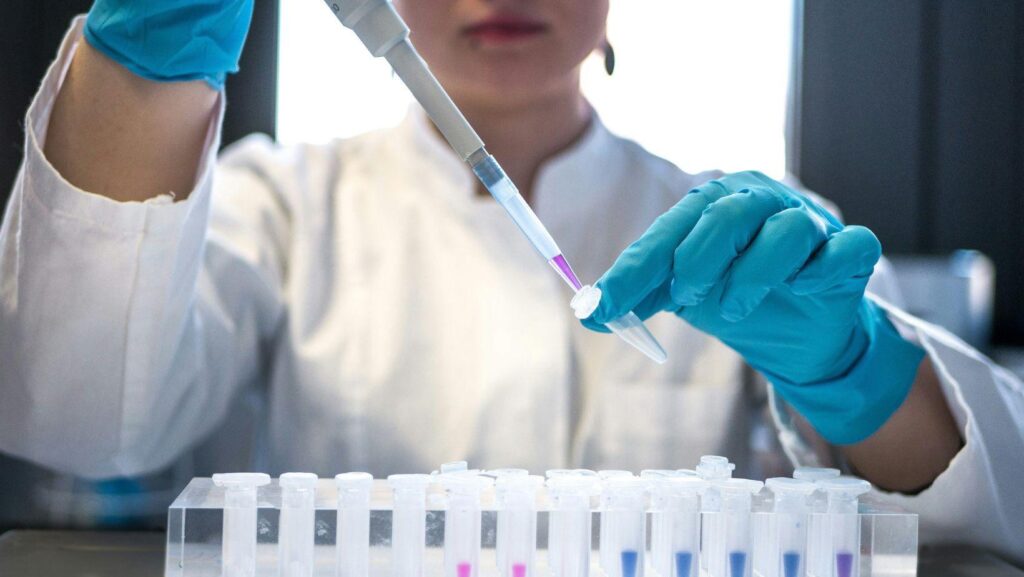
Research peptides have revolutionized modern biochemical modelling by offering researchers an unmatched level of precision in interacting with specific cellular pathways. These specially engineered amino acid sequences are essential keys to biological mechanisms in studies of tissue regeneration, metabolic signalling, or mitochondrial enhancement. Still, the practical utility of any research peptide depends entirely on its handling before it comes into contact with a laboratory sample.
Transitioning from a dry material to a suitable liquid solution is the primary problem encountered during the experimental setting. By using a computerized BPC 157 calculator, scientists may minimize human calculation errors by precisely aligning vial milligrams with certain syringe marks before starting the dilution procedure. Gaining proficiency in this complex procedure is essential as poor preparation can quickly compromise the structural integrity of the chemical, rendering the entire investigation pointless.
The Science of Lyophilization
When purchasing high-purity research peptides, they arrive in the form of a freeze-dried powder known as a lyophilized cake. This state is not merely a convenience for shipping; it is a biochemical necessity.
Peptides are composed of amino acid sequences bonded together by peptide bonds. These bonds are particularly vulnerable to hydrolysis in a liquid environment, a chemical process in which water molecules destroy amino acid chains. Furthermore, liquid peptides are very vulnerable to temperature changes and microbial growth.
Lyophilization removes the water content through sublimation under a high vacuum, freezing the molecular structure in place. This process:
The Reconstitution Toolkit
Before beginning the reconstitution process, a researcher must assemble a sterile, specialized toolkit. Using incorrect supplies can introduce contaminants or result in inaccurate measurements.
Bacteriostatic Water: This is sterile water containing 0.9% benzyl alcohol acting as an antimicrobial preservative. It is the gold standard diluent because it suppresses bacterial growth, allowing the reconstituted solution to remain viable in cold storage for up to 28 days.
Sterile Water: Lacks preservatives. This should only be used for single-use experiments, as any introduced bacteria will multiply rapidly, destroying the peptide within 24 to 48 hours.
U-100 Insulin Syringes: These are standard laboratory syringes calibrated in “Units” rather than milliliters. Understanding that 100 Units equals exactly 1.0 mL is the baseline for all subsequent mathematical equations.
Isopropyl Alcohol Wipes (70%): Required to sanitize the rubber stoppers of both the diluent and peptide vials before needle insertion.
Deciphering the Mathematics of Reconstitution
The most critical phase of preparation is translating the mass of the peptide (measured in milligrams, mg) into a specific fluid volume (measured in milliliters, mL) to determine the exact concentration of micrograms (mcg) per syringe unit.
The fundamental conversion factor to memorize is:
1 mg=1,000 mcg
To calculate the overall concentration of your solution, use the following core formula:
Concentration (mcg/mL)=Total Volume of Solvent (mL)Total Peptide Mass (mg)×1,000
Protocol for Sequential Practical Reconstitution
Once the total concentration per milliliter is established, you can easily determine the amount of peptide contained within a single unit mark on a standard U-100 syringe by dividing the total concentration by 100.
The physical procedure must be carried out extremely carefully to preserve a sterile field and safeguard the delicate molecule strings after the mathematics have been confirmed.
Adjustment of Temperature: Remove both the bacteriostatic water and the lyophilized peptide vial from cold storage. Give them 15 to 20 minutes to rest at room temperature. Micro-volumes may be impacted by condensation within the vial when a cold solvent is brought into a warm environment.
Sanitizing of Surfaces: Remove the plastic tops from each vial. Utilize a new 70% isopropyl alcohol swab to clean the visible rubber septa completely. Let the alcohol dry completely by itself; avoid blowing on it, as this brings in airborne bacteria.
Managing Air Pressure: The volume of bacteriostatic water you want to remove is equal to the amount of air you draw into your mixing syringe. After inserting the needle into the bacteriostatic water vial, smoothly remove the required liquid volume by inverting the vial and injecting air to balance the pressure.
The “Slow Drip” Technique: Place the solvent-filled needle into the peptide vial at a 45-degree angle. Instead of spraying the liquid directly onto the lyophilized powder, aim the needle tip directly at the vial’s inside glass wall, allowing the bacteriostatic water to flow down the glass as you gradually depress the plunger, because rapid, vigorous spraying can mechanically shear the fragile peptide links.
Natural Dissolution: Take out the syringe. Swirl the vial gently with your thumb and forefinger. The vial should never be shaken. Violent kinetic friction and foaming brought on by shaking deteriorate the composite. For five to ten minutes, let the vial sit alone on the lab bench until the liquid is completely clear and free of any visible particles.
Post-Reconstitution Management
A peptide’s countdown clock starts when it is transferred into a liquid medium. Strict storage procedures must be followed to avoid quick deterioration.
Thermal Control: Liquid peptides need to be preserved right away in a special lab refrigerator that is tightly maintained between 2°C and 8°C. Reconstituted peptides should never be kept in a typical household freezer because the creation of sharp ice crystals can physically shatter and shear the amino acid sequences, making the solution unusable.
Kinetic Vulnerability: Steer clear of needless movement. A liquid peptide vial’s biological efficiency will gradually decrease over time if it is dropped, rolled, or agitated violently. To maintain the accuracy, reproducibility, and integrity of your scientific results, handle the reconstituted solution as a delicate, extremely sensitive asset.
Final Thought
The effectiveness of peptide research relies heavily on accuracy, both in the calculations related to the measurements and in the management of the materials. Viewing reconstitution as a precise, sterile laboratory procedure instead of a casual task preserves the structural integrity of these fragile amino acid chains.