
Ready to shred this winter without a trip to the emergency room?
Thousands of boarders take to the slopes each year to enjoy epic powder. It’s one of the most unique winter activities out there, and it gets your blood pumping like nothing else. But there’s one thing you need to keep in mind…
If you’re not using the proper safety gear, you’re asking for an injury.
Snowboarding injury rates are far higher than skiing, and most of those accidents are 100% preventable. The good news?
Investing in the right safety equipment can significantly reduce a rider’s risk of injury and mean more days on the mountain.
Must-Have Snowboard Safety Gear: The Basics
In this article, we will cover
- Snowboard Injury Statistics
- Essential Safety Gear For Riders
- Choosing The Right Equipment
- Preventing Common Snowboarding Injuries
The Reality Of Snowboard Injuries
Let’s get one thing out of the way first.
Snowboarding has a higher injury rate of 3.9 per 1,000 visits than skiing at 2.5 per 1,000 visits. That’s no small margin. And it only gets worse…
There were over 156,000 injuries related to skiing, snowboarding and snowmobiling between 2008 and 2019. That’s a lot of broken bones, sprains and head injuries that could have ruined someone’s season.
Here’s what makes snowboarding unique:
Your feet are strapped to the same board. You can’t “step out” like skiers to regain balance. Snowboarders instinctively break a fall with their hands.
Essential Safety Gear You Need Right Now
Before you strap into your board, you need to make sure you are geared up properly. And no, I don’t just mean looking cool in your snow pants.
Getting the proper equipment when it comes to unique winter activities such as snowboarding can save your life.
Helmet: The First Line of Defense
We shouldn’t even have to talk about this one. Probably by now.
Head injuries account for 19% of snowboarding injuries in pediatric patients. And yet… some people still think a helmet is optional gear. Modern snowboard helmets are made specifically for the sport and include impact-resistant shells, comfortable padding, proper ventilation, and goggle compatibility.
Don’t cheap out here. Invest in a good helmet. Your brain will thank you.
Wrist Guards: The Most Underrated Safety Equipment
Fun fact, here’s something crazy:
There are 95,000 wrist fractures in snowboarders annually worldwide. Wrist injuries are most common in beginners (30%) but can happen to riders of all levels.
Here’s the solution:
Snowboard-specific wrist guards. Not cheap inline skating guards. Flexible, long guards that protect the entire wrist on both sides.
Research has shown these guards can reduce injuries by 85%. That’s an easy investment for any serious rider.
Impact Shorts & Padded Protection
C’mon, think about it. Where are you going to land when you wipe out?
Beginners (and even some experienced riders) tend to fall on their tailbone or hips more than they’d like to admit. Impact shorts come with built-in padding to protect your hips, tailbone and thighs. Modern designs are slim enough to wear under snow pants and no one is the wiser.
Bindings: The Foundation Of Safety
The other thing riders don’t pay enough attention to…
Your bindings are literally what connects you to the board. Quality matters, here. When you are shopping around, make sure to buy snowboard bindings online from reputable retailers who offer properly tested equipment built for your riding style.
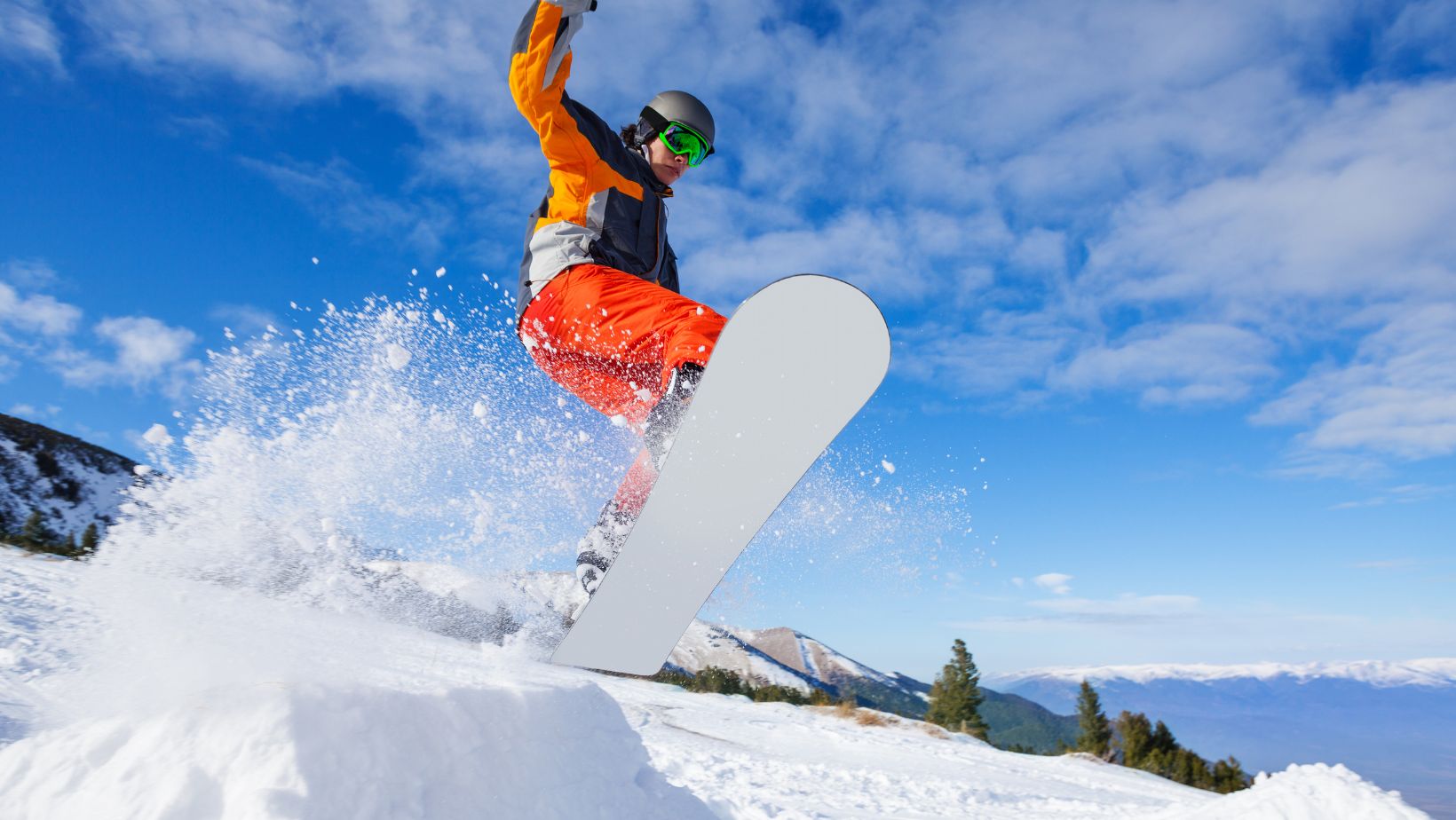
Cheap bindings can break at the absolute worst moment and lead to injuries. They can also contribute to ankle and knee injuries if they don’t offer enough support. Look for proper flex for your ability level, secure heel cups, boot compatibility, and materials that won’t fall apart mid-run.
Splurge a little on quality bindings here. You will not regret it.
Additional Safety Equipment Worth Considering
In addition to the essentials listed above, there are a few other items of gear that can also help keep you safer on the mountain.
Knee Pads
Knee injuries account for 17% of snowboarding injuries. While less common for boarders than wrist injuries, they can be season-ending. Knee pads give you an extra layer of protection when taking tumbles or learning new tricks.
Back Protectors
For riders that spend time in the terrain park or backcountry, back protectors are a must-have. Back protectors safeguard your spine during those bigger falls and crashes.
Goggles With UV Protection
Protecting your eyes isn’t just about looking like a badass. Snow reflects UV rays which can damage your eyes over time. Quality goggles offer protection from UV rays, wind, debris and snow glare while also improving visibility in flat light.
How To Prevent The Most Common Injuries
Safety equipment is only part of the battle. The other part is using proper technique and being smart on the mountain. Here’s what separates the riders who make it through the season from those who get injured.
Learning How To Fall Correctly
Wait, what? That sounds kind of backwards, right? But seriously, learning how to fall correctly can prevent a lot of serious injuries. Instead of landing flat on your hands, try to break a fall on your forearms, keep your chin tucked in, roll with the fall momentum and resist the urge to use your hands to stop backward falls.
It’s worth taking a lesson just on how to fall properly. Believe me.
Know Your Limits
This is where ego kills riders.
Just because you nailed all of the green runs last season doesn’t mean you are ready for double black diamond terrain. Ease into more difficult runs gradually. The majority of serious snowboarding injuries happen when someone tries terrain that is above their ability.
Maintaining Your Equipment
Check all of your gear before every ride. Inspect bindings for cracks, loose screws or other damage. Check all edges are intact and not chipped or damaged. Ensure all straps and buckles work properly. Check your helmet for any cracks from previous falls.
Riders get injured every season due to preventable equipment failures.
Stay Aware Of Your Surroundings
Snowboarding requires a high level of concentration. Always be watching for other riders, changes in snow conditions, hazards like rocks and trees or other obstacles. Don’t ride faster than the conditions will allow. And never snowboard alone in the backcountry.
Getting Started The Right Way
Are you ready to hit the slopes and enjoy the snow?
First and foremost, start with the right quality safety equipment. Don’t try to save a few bucks and skip important gear. The cost of one ER visit will easily eclipse what you would spend on proper gear. Take lessons from certified instructors to learn proper technique from day one. And most importantly, have a healthy respect for the mountain and your own ability.
Snowboarding is one of the most unique winter activities out there, with opportunities to experience things you just can’t anywhere else. It also has a risk factor, and those risks are very real.
Taking safety seriously and using proper equipment can help minimize those risks and maximize time spent on the mountain.
Final Thoughts
Snowboard safety isn’t about being a scaredy-cat. It’s about being smart so that you can enjoy the sport for as long as possible. And the statistics are not in any way misleading. Safety gear makes a huge difference in injury rates.
Every piece of gear we covered in this article has a purpose for protecting riders from the most common injuries. Helmets for head trauma. Wrist guards for fractures. All of it isn’t optional, or even accessories. It’s required.
Don’t wait until you get injured to start taking safety seriously. Gear up, learn proper technique and respect the mountain. The powder is calling. Just make sure your preparation means that you are ready to answer that call safely.