
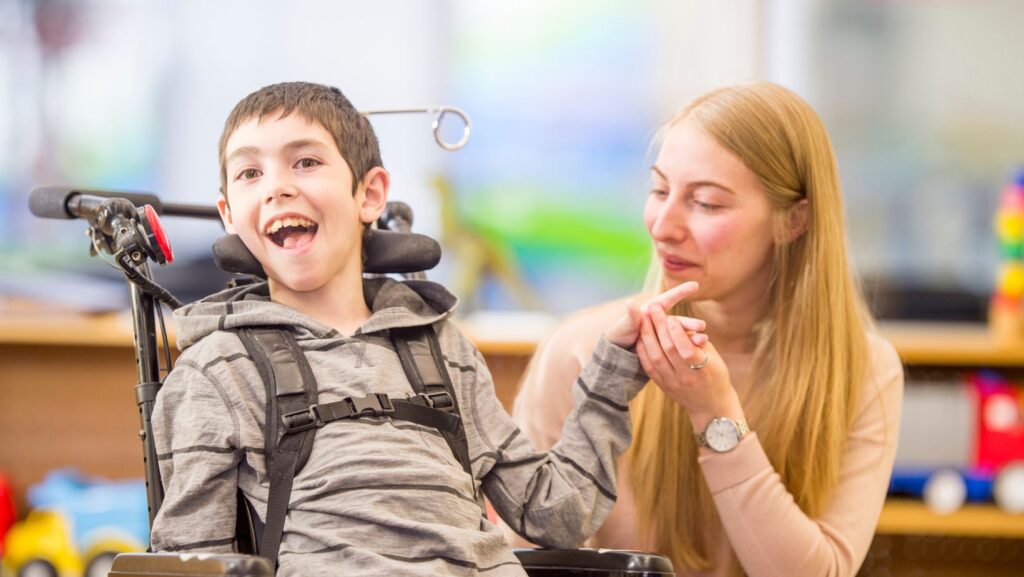
When we talk about wellness, most people think about morning jogs, balanced meals, or meditation sessions. But true wellness goes far beyond what we eat or how we exercise. It is about how we live, the support we have, the sense of belonging we feel, and the confidence that comes from being able to participate fully in life.
For many Australians living with disabilities, wellness is not simply a lifestyle choice. It is a daily pursuit of independence, dignity, and inclusion. This is where the meaning of wellness becomes richer and more human. It is not about achieving perfection but about creating conditions that allow everyone to thrive.
Wellness as a Shared Experience
Wellness is often portrayed as a personal journey, something you achieve on your own through discipline and good habits. But in reality, wellness is deeply social. It depends on connection, community, and access.
For someone with a disability, being able to take part in community activities, pursue hobbies, or manage daily routines independently can make a world of difference. It transforms wellness from a solitary effort into a shared experience.
This is where inclusive care and support play an essential role. When people have access to resources such as personal care, therapy, and social engagement programs, wellness stops being a distant goal and becomes something achievable, realistic, and meaningful.
The Link Between Support and Well-Being
Research consistently shows that individuals who feel supported both physically and emotionally report higher levels of happiness and life satisfaction. Support reduces stress, builds confidence, and encourages a sense of purpose, all of which are key pillars of wellness.
For people living with disabilities, structured support can open the door to greater independence. Services delivered by providers such as Ross Care help translate emotional and practical support into everyday stability, allowing individuals to build confidence and live life on their own terms.
Support also means having someone to turn to, a network that encourages growth rather than limits it. Whether it is a friend, a family member, or a professional support worker, the presence of genuine care helps foster emotional resilience and self-esteem.
A Holistic Approach to Health
Inclusion is not only a social value; it is a health principle. When wellness advice assumes everyone starts from the same place, it unintentionally excludes those who face additional barriers.
Holistic health acknowledges these differences. It looks at a person as a whole, including body, mind, and environment, and recognises that well-being can look different for everyone. For one person, it might be the ability to manage pain effectively, while for another, it might be maintaining mental balance or forming stronger community ties.
This inclusive perspective is something more wellness spaces are beginning to embrace. By designing programs and resources that adapt to diverse abilities, the wellness industry can move from being aspirational to being accessible, and that shift benefits everyone.
The Role of the NDIS in Building Independence
Australia’s National Disability Insurance Scheme (NDIS) was built around this very principle: empowerment through choice. The scheme gives participants access to funding that supports daily living, therapy, community engagement, and other essential services, all tailored to individual goals.
The strength of the NDIS lies in its flexibility. Participants can design plans that focus on what wellness means to them personally. Some might prioritise mobility or physical therapy, while others might focus on social connection or skill development.
NDIS Providers help participants make the most of these opportunities. Their approach is not just about care; it is about partnership. By combining practical support with genuine understanding, they empower individuals to live confidently, pursue passions, and connect with their communities.
When viewed through the lens of wellness, the NDIS is not just a funding system; it is a framework that restores balance, independence, and hope.
Everyday Moments of Progress
Wellness does not always come from dramatic transformation. Sometimes, it is found in the small moments that accumulate into lasting change.
It might be the satisfaction of cooking your own meal for the first time, or the joy of joining a local group after months of isolation. It might be learning how to navigate public transport independently or simply feeling safe and supported in your own home.
These everyday victories form the backbone of holistic health. They remind us that progress looks different for everyone and that wellness is not a competition but a continuum.
When support services, like those offered by NDIS providers, are delivered with compassion and flexibility, they give people the tools to celebrate those small wins. Over time, those wins add up to something far more powerful than a fitness goal or a diet plan. They create a sense of genuine fulfillment and self-worth.
Building a More Inclusive Wellness Culture
Wellness is often framed around self-improvement, doing more, achieving more, and becoming better. But what if the next phase of wellness culture was about collective improvement?
An inclusive wellness culture recognises that not everyone starts at the same place, and that is perfectly okay. It values access, empathy, and awareness just as much as physical health. When wellness communities make space for people of all abilities, everyone benefits.
For instance, gyms can include adaptive equipment. Wellness blogs can feature accessible workouts. Health coaches can be trained to work with clients who have varying needs. Even small shifts in language, such as replacing “no excuses” with “go at your pace,” can make wellness spaces more inviting and sustainable.
Inclusion does not dilute the idea of wellness; it strengthens it. It reminds us that the goal is not to perfect our bodies but to connect with them, and to support others in doing the same.
Towards a Healthier, Kinder Future
The pursuit of wellness should never be limited by ability. It should be guided by compassion, supported by community, and grounded in individuality.
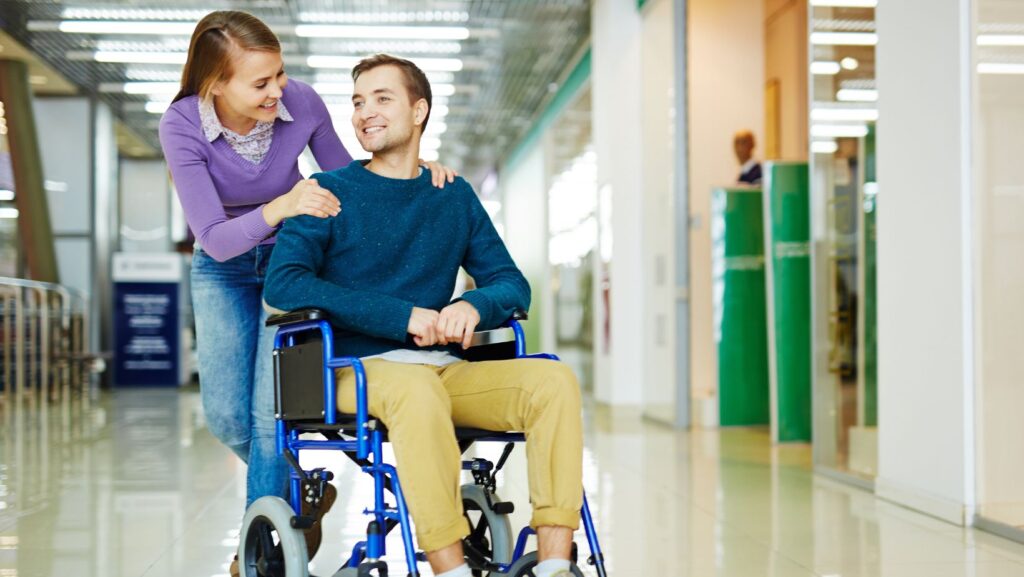
When people are given the freedom and resources to define wellness for themselves, they flourish. Their confidence grows, their relationships strengthen, and their overall quality of life improves.
That is why a holistic wellness landscape, one that includes strong support networks and accessible care, is so essential. It turns wellness from an ideal into a lived experience.
For those seeking inclusive, NDIS-backed support that promotes independence and well-being, exploring services like those offered by Infinite Ability can be a meaningful step. It is not about finding someone to take over; it is about finding someone to walk beside you as you define what health and happiness mean in your own life.
Wellness begins when we recognise that every person, regardless of circumstance, deserves the chance to thrive. And as Australia continues to build more inclusive systems and communities, that vision is slowly but surely becoming a reality.