
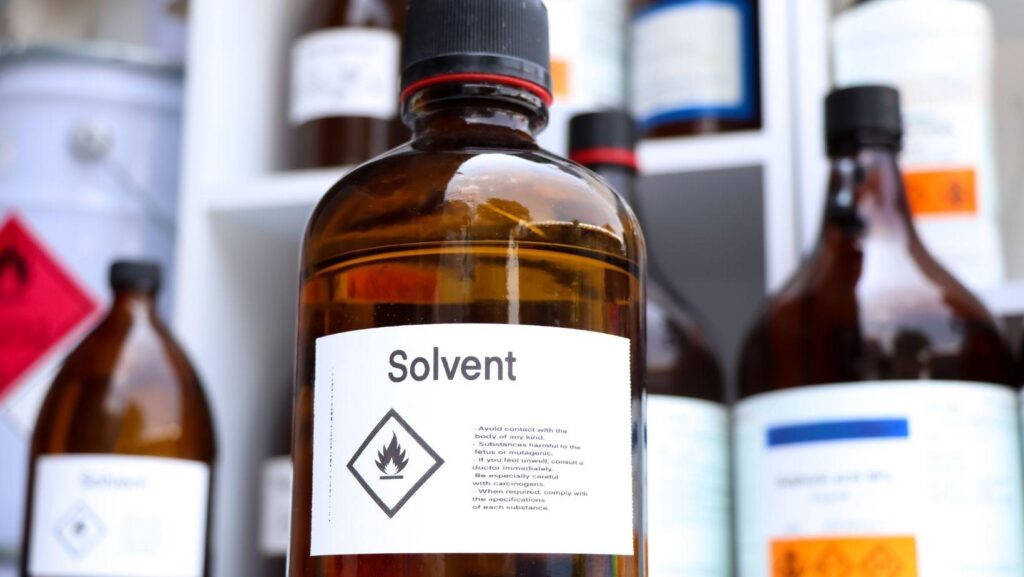
Sustainability has become a major priority in modern analytical and pharmaceutical laboratories. As industries continue searching for greener technologies, chromatography systems are evolving to reduce environmental impact while maintaining high purification efficiency. One of the most effective advancements in this area is Preparative Supercritical Fluid Chromatography (Prep SFC), a technique that dramatically lowers solvent consumption compared to traditional liquid chromatography methods.
Laboratories involved in pharmaceutical development, natural product isolation, food safety, biotechnology, and chemical research often generate large amounts of hazardous solvent waste. Disposal costs, environmental regulations, and workplace safety concerns make solvent reduction more important than ever. High-performance preparative SFC systems offer a practical solution by replacing a significant portion of organic solvents with supercritical carbon dioxide (CO₂), creating faster and cleaner separations with less environmental burden.
Why Solvent Waste Is a Growing Concern
Traditional preparative HPLC systems typically rely on large volumes of solvents such as methanol, acetonitrile, and hexane. While effective, these solvents create several challenges:
In high-throughput purification environments, solvent usage can quickly scale into hundreds or even thousands of liters annually. This has pushed laboratories to adopt greener purification technologies that align with modern sustainability goals.
Preparative Supercritical Fluid Chromatography addresses many of these concerns directly by using supercritical CO₂ as the primary mobile phase. Since CO₂ is inexpensive, recyclable, non-flammable, and easier to remove after purification, the overall solvent demand decreases substantially. Some systems reduce organic solvent usage by up to 90–95% compared to conventional preparative liquid chromatography.
How Preparative SFC Reduces Waste
The efficiency of preparative SFC comes from the unique properties of supercritical CO₂. When carbon dioxide is maintained above its critical temperature and pressure, it behaves like both a liquid and a gas simultaneously. This allows it to diffuse rapidly while still dissolving compounds effectively.
As a result, separations occur faster and require significantly smaller amounts of organic modifiers. Laboratories also spend less time evaporating solvents after purification because CO₂ naturally dissipates once pressure is released.
Additional sustainability benefits include:
These advantages make preparative SFC particularly valuable in pharmaceutical and biotech workflows where large-scale purification is routine.
The Role of Advanced Instrumentation
Modern preparative SFC systems are designed to maximize both purification performance and environmental efficiency. Automated flow control, optimized backpressure regulation, and intelligent solvent monitoring help reduce unnecessary waste while improving reproducibility.
One of the strongest examples in this space is the preparative SFC platform from Teledyne LABS. The ACCQPrep SFC system is designed to reduce solvent use while improving purification throughput using supercritical CO₂ technology, automated mass-flow control, and advanced method optimization tools.
The system supports stacked injections, automated solvent monitoring, integrated mass-flow regulation, and scalable purification workflows. These features allow laboratories to minimize failed runs, avoid unnecessary solvent consumption, and improve operational efficiency simultaneously.
Important Supporting Technologies in Green Chromatography
While preparative SFC systems are central to reducing solvent waste, several complementary technologies also contribute to greener laboratory operations.
Mass Flow Controllers
Accurate CO₂ delivery is essential in supercritical fluid chromatography because supercritical CO₂ is highly sensitive to pressure and temperature changes. Advanced mass flow controllers maintain stable flow rates, ensuring consistent separations while preventing waste caused by unstable runs or failed purification cycles.
High-Efficiency Chromatography Columns
Modern preparative columns designed for SFC applications improve separation quality and reduce solvent demand through better packing materials and optimized flow performance. Efficient columns shorten run times and reduce overall chemical consumption.
Automated Fraction Collection Systems
Automated fraction collection and intelligent software systems reduce operator error, improve recovery rates, and minimize repeat injections. Automation also allows laboratories to run unattended purification workflows, increasing productivity without increasing waste generation.
Solvent Monitoring and Waste Management Tools
Active solvent and waste sensing technologies help laboratories monitor solvent levels in real time, preventing overuse and accidental waste overflow. Predictive monitoring systems support better resource planning and more sustainable laboratory practices.
Applications Across Multiple Industries
The environmental benefits of preparative SFC are driving adoption across many industries.
Pharmaceutical Research
Drug discovery laboratories use preparative SFC for chiral separations, impurity isolation, and purification of active pharmaceutical ingredients. Faster separations and reduced solvent evaporation steps improve overall workflow efficiency.
Natural Product Extraction
Botanical and nutraceutical industries benefit from cleaner extraction and purification processes that reduce chemical waste while preserving sensitive compounds.
Food and Beverage Testing
SFC supports environmentally conscious testing workflows for contaminants, additives, and food safety analysis.
Academic and Government Research
Research institutions increasingly prioritize green analytical methods to align with sustainability initiatives and funding requirements.
Sustainability and the Future of Analytical Laboratories
Green chemistry is no longer optional for many laboratories. Regulatory pressure, operational costs, and corporate sustainability goals are reshaping how purification technologies are selected and implemented.
Preparative SFC aligns well with these goals because it delivers both environmental and operational advantages. Reduced solvent waste lowers disposal costs, minimizes hazardous chemical handling, and improves laboratory safety. Faster run times also support higher throughput without increasing environmental impact.
As instrument manufacturers continue improving automation, mass-flow stability, and software optimization, preparative SFC is expected to become even more efficient and accessible for laboratories of all sizes.
Conclusion
Reducing solvent waste is one of the most important challenges facing modern analytical and purification laboratories. Traditional purification methods consume large volumes of hazardous organic solvents, creating environmental, financial, and operational concerns.
High-performance preparative SFC provides a greener alternative by using supercritical CO₂ to reduce solvent demand, accelerate purification, and improve sustainability. With advanced systems like the ACCQPrep SFC platform and supporting technologies such as automated fraction collection, high-efficiency columns, and intelligent mass-flow control, laboratories can significantly lower their environmental footprint while maintaining excellent purification performance.