
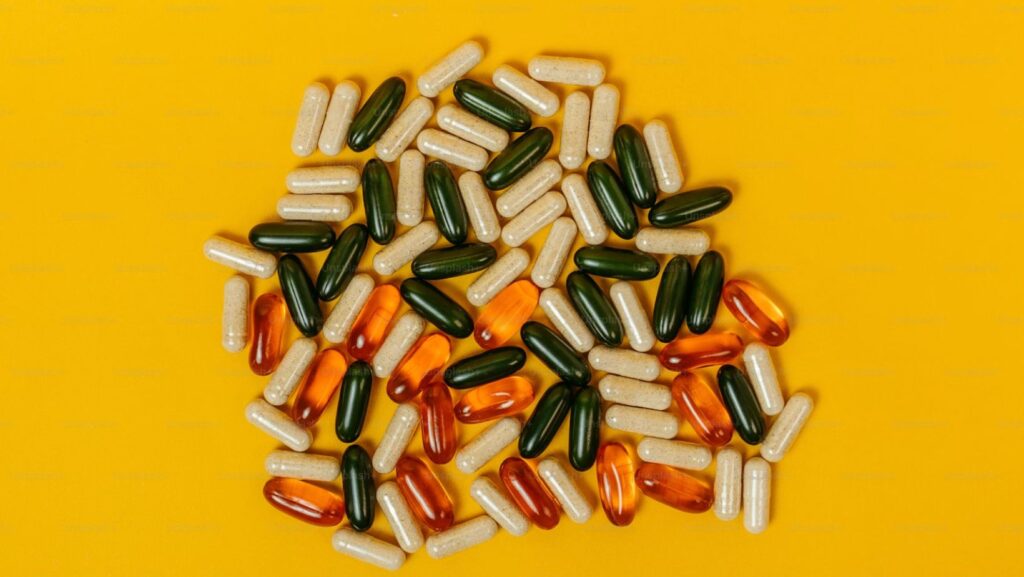
If you are narrowing down the best probiotics for skin and gut comfort, it helps to go back to basics: probiotics are not a single product, but a wide range of strains, dosages, and formats. The same principle applies whether you are choosing the best probiotics for kids or considering probiotic drinks as part of your diet. The key question is which microorganism you are taking, in what amount, and for what specific purpose.
Many skin professionals follow the same “basics first” approach in their work. Experts at PRIVATE AESTHETIC CENTER by PUNIN, beauty center Limassol, for instance, often note that visible changes in the face largely depend on consistency – both in internal factors such as sleep, stress management, and diet, and in maintaining an appropriate external skincare routine or treatment plan.
This growing interest is reflected in market estimates as well: a 2026 outlook values the U.S. probiotics market at approximately USD 6.69 billion, compared to USD 6.29 billion in 2025.
Choosing the Right Probiotics
A simple way to choose is to match the product to one clear outcome (e.g., antibiotic-associated diarrhea, occasional constipation, oral health support) rather than taking a “kitchen sink” blend.
Here’s a quick comparison table you can use while reading labels:
| What you’re aiming for | What to look for on the label | Format notes | Common pitfalls |
| Everyday gut support | Full genus + species (and strain if listed), CFUs, storage guidance | Capsules, powders, fermented foods | Buying “highest CFU” without a reason |
| After antibiotics / travel disruption | Strains studied for antibiotic-associated diarrhea | Often capsules | Switching brands weekly, inconsistent use |
| Skin support goals | A consistent routine + realistic expectations | Often part of broader diet/lifestyle | Treating it like a quick fix |
| Family use | Clear age guidance + allergen info | Drops/powders for kids (if appropriate) | Adult formulas used for children without guidance |
Label tip (U.S. context): FDA guidance has addressed how live microbials may be declared on supplement labels (e.g., CFUs) and what’s expected in labeling practices.
What’s the Best Time to Take Probiotics
No universal best time exists. Some studies suggest that the survival of the bacteria may be better if taken before a meal, but different formulations vary and a lot of products are made to be stomach acid resistant, so consistency is more important than perfection. If your product label is giving you timing instructions, obey those.
A simple habit that generally works:
- Take it at the same time every day for 24 weeks before assessing the effects.
- In case you experience gas or bloating, have your probiotic with food and don’t make other rapid diet changes for a week.
- During antibiotic treatment separate your probiotic and antibiotic dosing by a few hours (common clinician advice) and choose probiotic strains that have evidence for that particular use.
Probiotics for Kids and Babies
Parents usually ask for a straightforward yes or no answer, but a better question would be: What is the goal, and what is the child’s health status? The NIH outlines the potential uses of probiotics in children as the studies show (e.g., certain digestive outcomes), but at the same time, they warn about safety issues, especially in premature infants or children with serious medical conditions.

How to decide:
- probiotics for baby: basically, this should be a pediatrician question first, particularly for babies less than 12 months and if your baby was premature. Stick to products backed by evidence and forget about immune boosting claims.
- probiotics for kids: go for products that have clear information on age suitability, allergens, and storage. If your child is in good health, food sources can be an okay first step.
Food, first options can be easier:
- probiotic yogurt (look for live and active cultures on the label)
- kefir (if tolerated), fermented vegetables, and other cultured foods
Probiotics for Digestion and Constipation
Probiotics are most often evaluated for digestive issues like gut health and also for their ability to relieve constipation, but the results are mixed: some people experience a very noticeable effect, while others don’t really feel anything.
Probiotic for Constipation Explained
If you’re thinking about using a probiotic for constipation, it’s important to not overdo your expectations. Most of the time, constipation is just a matter of basics: fiber consumption, hydration, physical activity, and regularity of the schedule. A probiotic may be a helpful addition, but it cannot take the place of the other things.
One of the great ways to determine it:
- Choose one item and one result (e.g., more frequent bowel movements).
- Use that product continuously for a period of 24 weeks.
- Keep the diet stable enough to be sure of the factor that is helping.
Prolonged, severe constipation or that which is accompanied by symptoms of concern warrants cessation of experimentation and seeking professional medical advice.
Beyond the Gut: Skin, Teeth, and “Confidence” Culture
The link between gut and skin is very much in vogue, and even though scientists are still investigating the matter, most people trying to improve their skin work on it by multitasking with nutrition, stress management, and getting professional help. So, if you’re into the idea of how daily actions influence our self image, ‘Health as the Foundation of Confidence‘ is a great piece explaining how health and beauty in the broadest sense can be combined in everyday life.
When it comes to oral health, dental probiotics represent a rather special type that targets the mouth instead of the intestines. They come mostly as lozenges or oral care supplements, once again, the strain and how you use it are the things that matter.
Popular Products and “Brand-Name” Questions (How to Think, Not What to Buy)
People often inquire about specific brand names because they want to be sure. The most honest answer is: any product should be judged by strain transparency, clinical relevance, and tolerability.
Here are some typical examples of how people ask these questions:
- florastor probiotics: The product is the most common subject of antibiotic, associated diarrhea support discussions (people choose it for a specific reason, not as a generic daily probiotic).
- pendulum probiotics / pendulum supplements: These products are most often searched as “next gen” options, still, apply the same rule: match to your goal, check what evidence is actually claimed, and dont overpay for vague promises.
- biotics research supplements: In case you are exploring practitioner, style brands, focus on the details of the labeling and whether the strain/dose corresponds to the outcome you want.
- best probiotic drinks: Good if you like the idea of getting probiotics from foods, just be careful with added sugar and portion sizes.
Side effects should be described in simple terms. For instance, people search for align probiotic side effects because it’s well known that mild gas or bloating may occur initially. If symptoms are severe or last a long time, then it is best to stop and reassess (or consult a doctor).
A Lightweight “Trend” Snapshot (So You Don’t Overthink It)
If you are seeking a numerical sanity check: Data from a U.S. survey showed that probiotics/prebiotics were consumed by millions of adults and that usage increased markedly over a period of years. This pattern clarifies why retail outlets are packed, yet it is also the reason why scrutinizing labels has become more important than ever.