
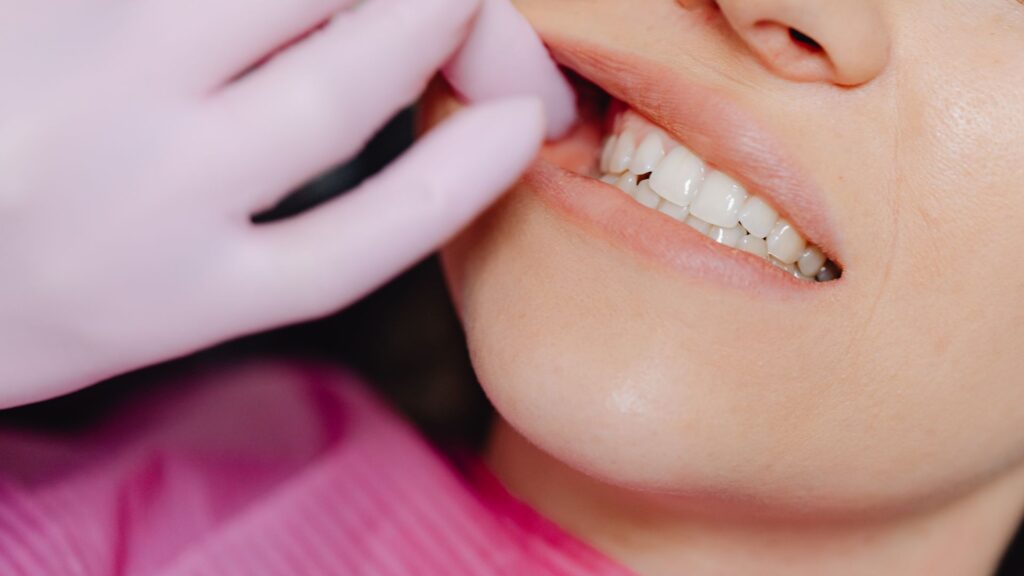
Dental health plays a crucial role in our overall well-being, and understanding the options available for restoring damaged teeth is essential. Among the many restorative procedures, crowning teeth is one of the most effective solutions for protecting and enhancing the appearance of compromised teeth. Whether it’s due to decay, trauma, or wear, a dental crown can provide both functional and aesthetic benefits. In this article, we will explore the process of crowning teeth, the advantages it offers, the associated costs, and guidance on when it might be the right choice for you.
What Are Dental Crowns?
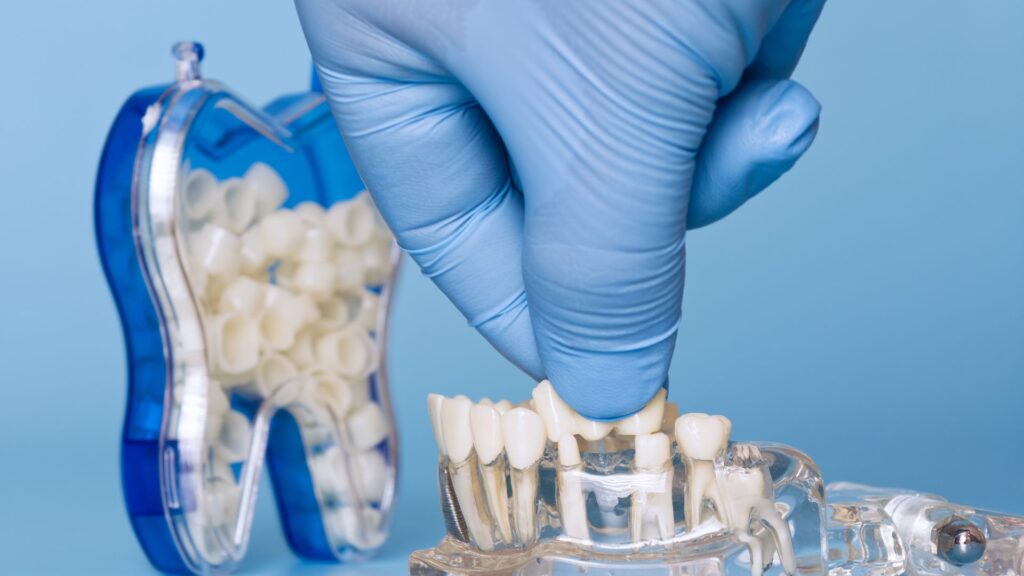
Dental crowns are custom-made caps that cover a tooth entirely, restoring its shape, size, strength, and appearance. They can be crafted from various materials, including porcelain, metal, or a combination of both, depending on the patient’s needs and preferences. Crowns are commonly used to protect weak teeth, restore broken teeth, or support teeth with large fillings. Essentially, they act as a shield, preventing further damage while improving functionality and smile aesthetics.
Crowns are distinct from veneers, which only cover the front surface of teeth. While veneers are primarily cosmetic, crowns offer both cosmetic and functional benefits.
Benefits of Crowning Teeth
Crowning teeth offer a variety of advantages that make them a popular choice for many dental patients:
1. Protection of Weak Teeth
One of the primary reasons for getting a crown is to protect a tooth that is weakened by decay, fractures, or large fillings. By covering the tooth completely, the crown prevents further deterioration and helps avoid the need for more extensive procedures, such as extractions or root canals.
2. Restoration of Functionality
Damaged or weakened teeth can make chewing and speaking difficult. Crowns restore normal function, allowing you to bite and chew without discomfort. They can also stabilize teeth that are prone to cracking or breaking, enhancing overall oral function.
3. Improved Aesthetics
Dental crowns can significantly enhance the appearance of teeth. Porcelain or ceramic crowns are designed to match the natural color of your teeth, providing a seamless look. For people with discolored, misshapen, or worn-down teeth, crowns offer a cosmetic solution that blends with the surrounding teeth.
4. Longevity
With proper care, dental crowns can last for many years. Regular oral hygiene, including brushing, flossing, and dental checkups, ensures that crowns remain intact and functional for a long time, making them a worthwhile investment in dental health.
Types of Dental Crowns
Understanding the different types of dental crowns can help patients make informed decisions based on their needs and preferences.
- Porcelain or Ceramic Crowns: These are ideal for front teeth due to their natural appearance. They blend well with the surrounding teeth and resist staining.
- Metal Crowns: Made from gold, platinum, or base metal alloys, these crowns are extremely durable and suitable for molars where strength is more critical than appearance.
- Porcelain-Fused-to-Metal (PFM) Crowns: These combine strength and aesthetics. The metal base provides durability, while the porcelain coating ensures a natural look.
- Zirconia Crowns: Known for their strength and biocompatibility, zirconia crowns are highly durable and can withstand heavy chewing forces.
The Crowning Teeth Procedure
The procedure for placing a crown typically involves multiple steps, often completed over one or two dental visits:
Step 1: Examination and Planning
Before the procedure, a dentist will examine the affected tooth, take X-rays, and discuss the best type of crown based on the tooth’s condition and your personal needs.
Step 2: Tooth Preparation
The tooth is reshaped to allow the crown to fit securely. This involves removing a portion of the enamel to ensure the crown sits properly without affecting the surrounding teeth.
Step 3: Impressions
After preparing the tooth, the dentist takes impressions, which are sent to a dental lab to fabricate a custom crown. In the meantime, a temporary crown may be placed to protect the tooth.
Step 4: Crown Placement
Once the permanent crown is ready, the temporary crown is removed, and the new crown is cemented in place. The dentist will check your bite and make any necessary adjustments to ensure comfort and functionality.
How Much Do Crowning Teeth Cost?
The cost of crowning teeth varies depending on several factors, including the material used, the complexity of the procedure, and the dentist’s location. On average, costs can range from $800 to $3,000 per crown. Porcelain and ceramic crowns tend to be more expensive due to their aesthetic quality, while metal crowns are usually more affordable. Dental insurance may cover part of the cost, especially if the crown is medically necessary rather than purely cosmetic.
It is important to consider long-term value when evaluating the cost of crowns. Investing in a durable, well-fitted crown can prevent more extensive dental procedures in the future, saving both money and discomfort.
When Should You Consider a Dental Crown?
Knowing when to consider a dental crown can prevent complications and maintain oral health. Crowns are often recommended in the following situations:
- A tooth is severely decayed or weakened by a large filling.
- A tooth is fractured or cracked.
- After a root canal, to protect the tooth from further damage.
- To improve the appearance of discolored or misshapen teeth.
- To anchor a dental bridge in place.
Your dentist will evaluate the condition of your teeth and recommend a crown if it is the most appropriate solution.
Potential Risks and Considerations
While dental crowns are generally safe and effective, it’s important to be aware of potential risks:
- Sensitivity: Some patients experience temporary sensitivity to hot or cold temperatures after crown placement.
- Discomfort or Bite Issues: Improperly fitted crowns may cause discomfort or bite problems, which can usually be corrected by adjusting the crown.
- Chipping or Fracture: Porcelain crowns may chip under heavy pressure, although metal and zirconia crowns are less prone to this.
- Decay: While crowns cover the tooth, the underlying tooth can still develop decay if oral hygiene is not maintained.
Caring for Your Crowned Teeth
Proper care ensures the longevity and performance of your crown:
- Brush and floss regularly to prevent decay around the crown margins.
- Avoid chewing hard objects like ice or hard candies that can damage the crown.
- Visit your dentist regularly for checkups and cleanings.
- Address any discomfort or issues immediately to prevent further damage.
Final Thoughts
Crowning teeth is a versatile solution for both functional and cosmetic dental issues. From restoring strength and functionality to enhancing the appearance of your smile, crowns provide lasting benefits when chosen and maintained appropriately. While the procedure involves some investment and care, the advantages often outweigh the costs, making it a valuable option for preserving oral health. If you are considering a dental crown, consulting with a trusted dental professional can help ensure the best outcome for your specific needs. Nuffield Dental offers comprehensive guidance and professional care for patients seeking crowning teeth procedures, ensuring optimal results and patient satisfaction.
FAQs About Crowning Teeth
Q1: How long does a dental crown last?
A dental crown can last between 10 and 15 years, sometimes longer with proper oral hygiene and regular dental visits.
Q2: Is getting a crown painful?
The procedure is generally painless, as dentists use local anesthesia. Some temporary discomfort may occur after the procedure.
Q3: Can a crowned tooth get a cavity?
Yes, while the crown protects the tooth, decay can still develop at the edges if oral hygiene is neglected.
Q4: Are there alternatives to dental crowns?
Depending on the tooth’s condition, alternatives like dental veneers, onlays, or fillings may be considered, but crowns offer the most comprehensive protection.
Q5: Can a crown be whitened?
No, crowns do not respond to whitening treatments. If discoloration occurs, replacement may be necessary.