
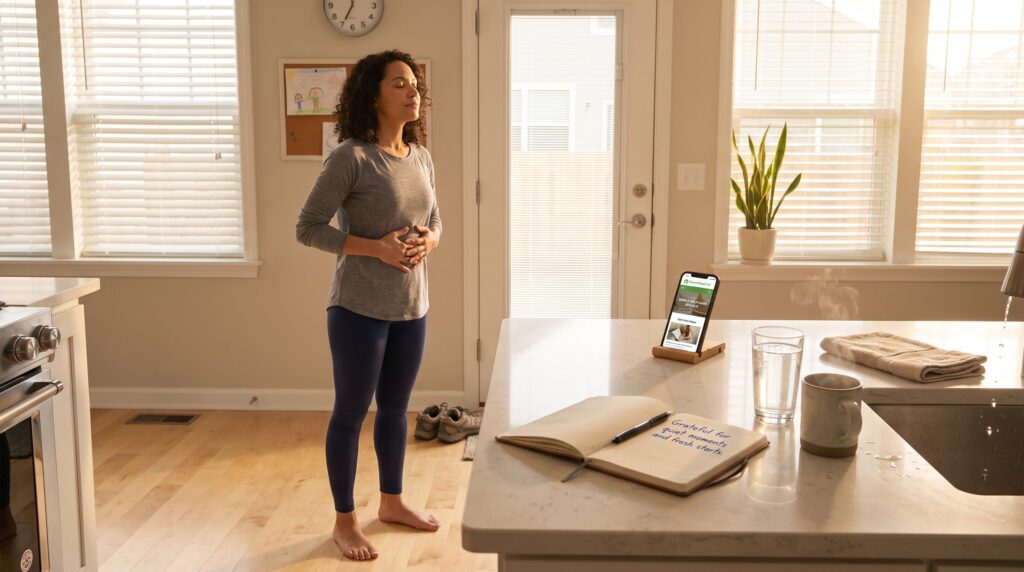
Self-care ideas to explore on Greenheal.net start with simple, evidence-informed actions people can do in minutes. This guide focuses on quick rituals, movement, sleep, nutrition, and natural remedies that support recovery, parenting, and busy lives. It shows concrete micro-practices, honest cautions, and clear signs for when to seek professional help. Readers will find sensory details, short examples, and links to deeper Greenheal resources to make small habits stick.
Key Takeaways
- Self-care on Greenheal.net focuses on simple, evidence-based micro-rituals that can be done in 5–15 minutes to improve mood, reduce stress, and support recovery and parenting.
- Consistent daily habits such as breathwork, sensory grounding, and light movement stabilize the nervous system and boost cognitive clarity.
- Small adjustments to movement, sleep, and nutrition — like regular stretching, consistent bedtime, and prioritizing whole foods — yield significant benefits for energy and mental resilience.
- Practical natural remedies and adaptive lighting can aid wellness but should be used cautiously; seek professional help when severe symptoms appear.
- Starting with one micro-ritual and tracking progress for ten days encourages sustainable habit formation and improves overall self-care outcomes on Greenheal.net.
Why Self-Care Matters For Recovery, Parenting, And Busy Lives
Self-care matters because short, consistent habits stabilize mood, reduce stress, and improve decision-making during recovery and caregiving. Research and clinical practice show that daily micro-rituals regulate the nervous system and conserve energy for demanding tasks. For example, a 60‑second breathing break can lower heart rate and reduce reactivity before a difficult conversation with a child or a case review at work.
Parents and people in recovery report clearer thinking after small routines: morning light exposure, a two-minute stretch, or a brief gratitude note. These practices protect cognitive resources and reduce the chance of relapse or burnout. Greenheal’s practical content pairs well with this mindset: readers can follow a natural wellness guide to build daily structure that fits family schedules and treatment plans.
A candid note: trying to overhaul everything at once often fails. One parent described adding a single 5‑minute grounding step each day and, within two weeks, sleeping better and snapping less. That small success became the doorway to longer habits. The clear takeaway: consistency with bite-sized practices beats perfection.
Practical Daily Micro-Rituals You Can Do In 5–15 Minutes
Micro-rituals produce measurable calming effects when repeated daily. Start with one 5–15 minute slot and protect it like an appointment. The simplest options are breathwork, a sensory grounding scan, a short walk, and a quick gratitude jot.
Pick one and repeat it for 10 days. Notice exact changes: fewer interruptions in focus, one less angry outburst, or 20 more minutes of clear thinking. Below are concrete examples that fit morning or evening windows and immediate stress relief techniques.
Morning And Evening Examples
Morning: Open blinds within 30–60 minutes of waking and stand with feet on the floor for 60 seconds while taking three slow breaths (inhale 4s, exhale 6s). Follow with two minutes of gentle calf and hip stretches or a 5‑minute walk around the block. This sequence cues circadian rhythm, eases stiffness, and raises alertness.
Evening: Dim lights 45 minutes before bed and do a 60‑second gratitude note, write one sentence about something specific (the neighbor who fixed a fence, the taste of warm tea). Then practice one long exhale pattern (4‑4‑6) for five minutes and do two minutes of shoulder rolls. These steps lower sympathetic activation and prime sleep. For more structured routines, Greenheal’s piece on self-care ideas gives practical templates that adapt to parent and recovery schedules.
Stress-Relief Mini Practices: Breathwork, Grounding, Cold Exposure
Breathwork: Use the physiological sigh, double inhale through the nose, long slow exhale through the mouth, to downregulate quickly. Box breathing (4‑4‑4‑4) stabilizes attention in high-stress moments. These patterns can reduce perceived stress within 60 seconds.
Grounding: The 5‑4‑3‑2‑1 sensory scan anchors attention to present input: name 5 things seen, 4 things felt, 3 sounds, 2 smells, 1 taste. Physical grounding, placing bare feet on the floor and feeling pressure, returns the body to baseline after emotional spikes.
Cold exposure: Splashing cold water on the face or wrists for 15–30 seconds recruits vagal tone and often reduces panic. Short cold showers or brief plunges (30s–2m at ~10°C–15.5°C) produce alertness and resilience gains, but they carry risks for heart conditions, start with cool face or wrist contact and consult a clinician if cardiovascular disease exists. The Mayo Clinic lists practical stress-relief strategies that align with these methods and notes safety considerations for intense practices like cold exposure, which is useful when choosing what to try next: stress relievers.
A practical warning from users: test cold exposure on a low‑stress day and have a warm towel ready. One reader tried a two‑minute plunge too soon and felt dizzy: they learned to build tolerance incrementally.
Movement, Sleep, And Nutrition: Small Changes With Big Impact
Small shifts in movement, sleep routines, and food yield outsized benefits. Two to five minutes of stretching or a short walk every two hours reduces tension and improves mood. For sleep, a consistent bedtime within 30 minutes nightly and a 20‑minute pre-sleep wind-down produce measurable improvements in sleep efficiency.
Nutrition: Prioritize whole foods, hydration, and simple anti-inflammatory choices like cold‑pressed seed oils or oily fish twice weekly. These changes support energy, immunity, and concentration, especially important for people in recovery or caregivers juggling irregular schedules. An actionable habit: add one extra glass of water at mid-morning and replace one packaged snack with a piece of fruit or handful of nuts: track the change for seven days.
Practical example: A teacher added three 90‑second desk stretches between classes and reported a 30% drop in afternoon headaches after two weeks. For deeper guidance on nutrition and natural therapies, Greenheal’s overview on natural remedies lists safe, practical options and dosages used in everyday care.
Natural Remedies, At-Home Therapies, And When To Seek Professional Help
Natural remedies and at-home therapies are helpful for mild, improving symptoms, rest, fluids, simple herbal teas, topical balms, and adaptive lighting. Adaptive light changes (warmer evenings, brighter mornings) support sleep and energy: Greenheal’s review of adaptive lighting benefits explains practical setups for homes and nurseries.
At-home therapy rules: use gentle interventions, watch for improvement within 48–72 hours, and stop anything that causes pain or rapid worsening. Seek professional care immediately for high fever, severe pain, breathing trouble, chest pain, sudden numbness, or signs of spreading infection. Greenheal also offers a clear primer on when home remedies cross the line into medical needs in its article on professional advice triggers.
A candid error people make: relying on a single supplement to fix chronic sleep or mood problems. Supplements can help short-term but rarely replace sleep hygiene, movement, and social support. Greenheal’s guidance on how to find natural remedy articles and how to evaluate wellness advice helps readers sort safe options from marketing claims.
Conclusion
Practical self-care on Greenheal.net emphasizes tiny, repeatable actions that build capacity over time. Start with one concrete micro-ritual, track it for ten days, and adjust based on what improves sleep, mood, or stress response. Use the linked Greenheal resources for stepwise plans and safety guidance. The real power is cumulative: five minutes a day becomes the foundation that makes busy lives and recovery work better.