
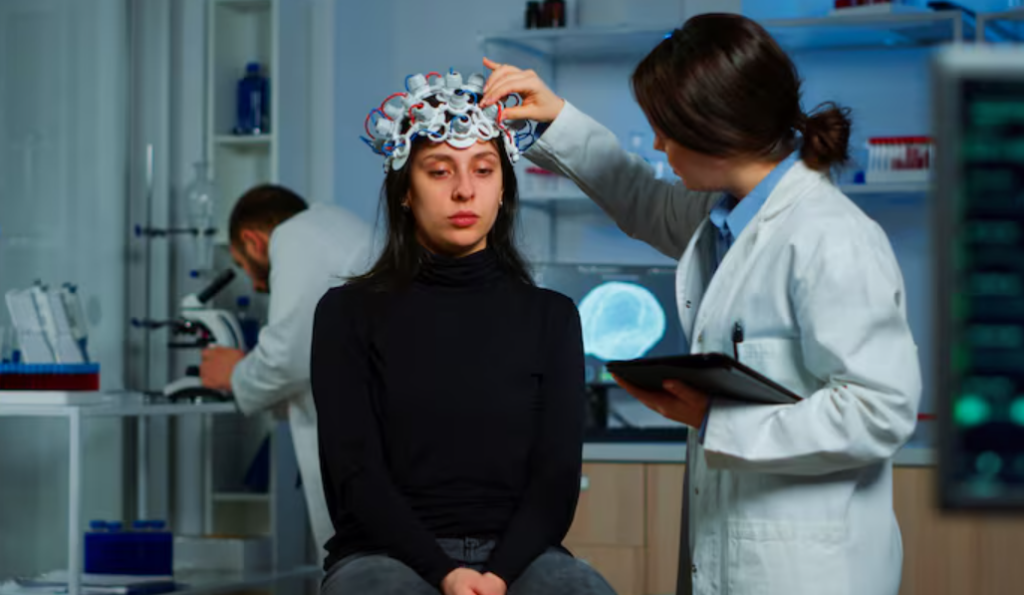
Neurological disorders affect the brain, spinal cord, nerves, and muscles. These parts of the body control movement, memory, speech, balance, sensation, sleep, and many other daily functions. When something affects the nervous system, the signs can be clear, but they can also be mild and easy to ignore.
Some people may notice repeated headaches. Others may feel numbness, weakness, tremors, confusion, or vision changes. These symptoms do not always mean a serious disorder is present. Still, they should be taken seriously when they are sudden, frequent, unusual, or getting worse.
Early symptoms matter because many neurological conditions are easier to manage when they are assessed at the right time. A timely diagnosis can help reduce complications, improve daily comfort, and guide the right treatment plan.
Why Early Neurological Symptoms Should Not Be Ignored
The nervous system works like the body’s command center. It sends and receives signals that help the body move, think, feel, and respond. When those signals are disrupted, symptoms can appear in different ways.
Common early warning signs may include:
- Frequent or severe headaches
- Numbness or tingling
- Muscle weakness
- Dizziness or balance problems
- Memory changes
- Tremors
- Seizures
- Vision changes
- Speech problems
- Trouble walking
1. Migraine and Chronic Headache Disorders
Migraine can cause severe head pain, nausea, vomiting, and sensitivity to light or sound.
Early signs may include tiredness, neck stiffness, mood changes, food cravings, flashing lights, blind spots, tingling, or trouble speaking.
Seek medical advice if headaches become frequent, feel unusual, wake a person from sleep, or come with weakness, confusion, fever, or vision loss.
2. Stroke and Transient Ischemic Attack
A stroke happens when blood flow to the brain is blocked or when bleeding occurs in the brain. A transient ischemic attack causes temporary stroke-like symptoms.
Common signs include facial drooping, arm weakness, speech trouble, confusion, vision loss, dizziness, numbness, severe headache, double vision, or loss of balance.
Urgent care is needed, even if symptoms go away quickly.
3. Epilepsy and Seizure Disorders
Epilepsy causes repeated seizures due to abnormal electrical activity in the brain.
Early signs may include blank staring, sudden fear, strange smells or tastes, confusion, jerking movements, déjà vu, or stomach discomfort.
A first-time seizure should be checked. Urgent care is needed if it lasts several minutes, repeats, follows an injury, affects breathing, or the person does not wake up properly.
4. Parkinson’s Disease and Movement Disorders
Parkinson’s disease affects movement and often develops slowly.
Early signs may include hand tremor, stiffness, slow movement, small handwriting, soft speech, reduced facial expression, or less arm swing while walking.
Sleep problems, constipation, low mood, or reduced sense of smell may also appear early. Not every tremor means Parkinson’s disease, so medical review helps identify the cause.
5. Multiple Sclerosis
Multiple sclerosis, or MS, is a condition in which the immune system affects the protective covering of nerves. This can disrupt messages between the brain and the rest of the body.
Early symptoms can vary widely. Some people notice blurred vision, pain with eye movement, numbness, tingling, weakness, fatigue, dizziness, or balance problems. Others may have bladder symptoms, muscle stiffness, or trouble with coordination.
MS symptoms may come and go. A person may feel better after a few days or weeks, then have another episode later. This pattern can make the condition hard to recognize at first.
For someone with repeated nerve-related symptoms, a medical evaluation is important. A neurologist may use physical examination, MRI scans, blood tests, and other investigations to understand the cause.
A medical center with a specialist department, such as a Neurology Clinic Abu Dhabi, may provide assessment for conditions involving the brain, spinal cord, peripheral nerves, and muscles.
6. Dementia and Memory Disorders
Dementia is not the same as normal aging. It causes a decline in memory, thinking, language, behavior, or judgment that affects daily life.
Early symptoms may include forgetting recent conversations, repeating questions, losing items often, struggling with familiar tasks, mood changes, or difficulty finding the right words. Some memory problems may also be linked to sleep issues, stress, vitamin deficiency, thyroid problems, or medication side effects.
7. Peripheral Neuropathy
Peripheral neuropathy happens when nerves outside the brain and spinal cord are damaged. It often affects the hands, feet, legs, or arms.
Early symptoms may include tingling, burning pain, numbness, weakness, sharp pains, or pins and needles. Some people may also lose balance because they cannot feel the ground properly.
8. Neuromuscular Disorders
Neuromuscular disorders affect the nerves that control muscles or the muscles themselves. They can cause weakness, cramps, twitching, fatigue, and movement problems.
Early symptoms may include trouble climbing stairs, lifting objects, standing from a chair, swallowing, speaking, or breathing. Some people may also notice frequent falls or muscle wasting.
9. Brain and Spinal Cord Tumors
Brain and spinal cord tumors can cause symptoms based on their size and location. Not all tumors are cancerous, but they can still press on important parts of the nervous system.
When Should You See a Doctor?
Seek urgent medical care for sudden neurological symptoms, such as weakness, facial drooping, trouble speaking, vision loss, seizure, loss of consciousness, or a sudden severe headache.
A routine appointment may be needed for repeated symptoms like headaches, tremors, memory changes, numbness, dizziness, balance problems, or muscle weakness.
Before the visit, track when symptoms started, how long they lasted, and what made them better or worse.
How Neurological Disorders Are Diagnosed
Diagnosis usually starts with medical history and a physical exam. A doctor may check reflexes, strength, sensation, balance, coordination, speech, eye movement, and memory.
Tests may include blood tests, MRI or CT scans, EEG, nerve studies, electromyography, lumbar puncture, cognitive testing, or vascular imaging, depending on the symptoms.
Simple Ways to Support Brain and Nerve Health
Some neurological disorders cannot be prevented. Still, healthy habits can lower certain risks and support nervous system health.
Helpful steps include:
- Control blood pressure, blood sugar, and cholesterol
- Get enough sleep
- Stay physically active
- Avoid smoking
- Limit alcohol
- Eat balanced meals
- Protect the head from injury
- Manage stress
- Treat infections early
- Review medicines with a doctor when needed
Final Thoughts
Neurological symptoms can be hard to understand because they may look like stress, tiredness, aging, or minor health problems. Still, changes in movement, speech, memory, balance, sensation, or awareness should not be ignored when they are sudden, repeated, or getting worse.