
Foot pain is usually seen as a local issue. Be it a sore heel, an aching arch, or stiffness after long hours on your feet, all are addressed with quick fixes. Insoles, rest, or occasional stretching become the default response.
However, this narrow view overlooks a more important reality. Foot pain is rarely isolated. It reflects how your entire system moves, absorbs stress, and recovers over time. This leads to a more pertinent question. Is foot pain reversible, or does it need to be managed? The answer is not a single solution, but how consistently you correct the underlying patterns.
Why “Reversal” Is the Wrong Starting Point
The idea of reversing pain suggests a clear before-and-after state. But the journey is not a straight line. Pain develops through repetition, and it relieves in the same manner. The body adapts to the small mechanical stresses of life over time, sometimes not for the better.
Improvement begins when those patterns are interrupted. Once movement changes, tissue stress reduces, efficiency improves, and discomfort gradually declines.
The Load Problem Most People Miss
One of the most overlooked drivers of foot pain is load management. Our feet are meant to bear weight, but in a variable way. Fatigue occurs when the same structures are stressed in the same way everyday.
Consider your daily routines. Long periods of standing in rigid shoes limit natural foot movement. Prolonged sitting weakens the intrinsic muscles that support the arch. Both extremes reduce the foot’s ability to adapt.
The key to improvement is controlled variation. Changes in the ground surface and shoes along with low-impact exercise during the day help redistribute the load. These changes are subtle yet affect load absorption.
Foot Function Is Whole-Body Conversation
You may be tempted to focus on the foot when it hurts, but the parts of the body don’t move in isolation. The ankle, the knee, the hip, and the spine all play a role in force transmission. A stiff ankle will place extra force across the arch, and a weak hip stabilizer can cause an inward collapse. This is why many natural remedies for back pain also have applications for foot pain. Enhanced mobility, muscular stability, and posture refinement have benefits that trickle down to the feet.
The Role of Habit Consistency
Natural approaches are often dismissed for seeming too simple. Stretching, exercise, and posture correction do not produce instantaneous results. This is why most people give up too soon. Their effectiveness lies in consistency. Tissues adapt slowly, and alignment improves through repetition. A structured routine may include:
- Daily mobility work for the ankle and toes
- Strength exercises targeting the arch and lower leg
- Periodic breaks from prolonged standing or sitting
- Conscious adjustments to walking and standing posture
Each element addresses a small part of the problem, but together they reshape how the foot functions.
When External Support Helps
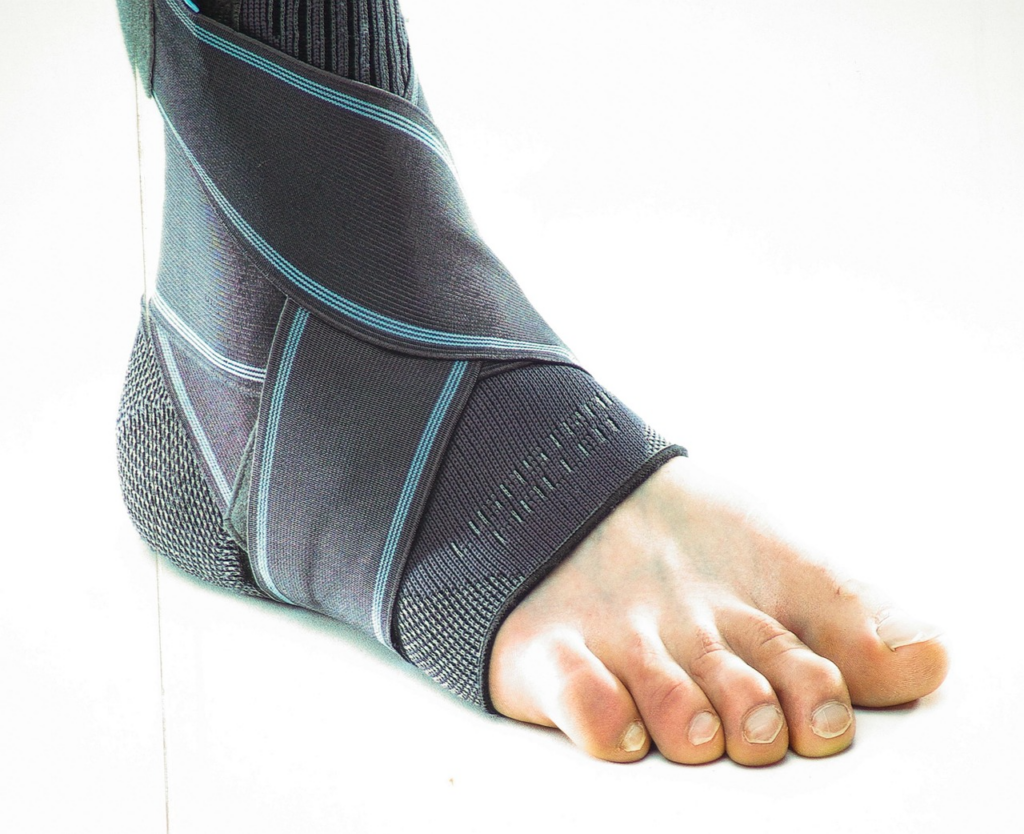
Natural improvement does not mean avoiding all forms of support. Sometimes temporary support can ease symptoms while more systemic changes occur. Stability during recovery can be gained with:
- Supportive footwear
- Orthotics
- Guided therapy
People often seek out options such as foot pain relief at The Joint for care that matches conservative treatment approaches. These interventions work best when they support adaptation rather than replace it.
Redefining What “Natural” Actually Means
Natural recovery is often misunderstood as avoiding intervention. In fact, it means working with the body’s natural adaptation processes. Key principles include:
- Movement variability
- Progressive loading
- Consistent practice
This perspective shifts the goal. Instead of chasing quick relief, the focus moves toward restoring function. Pain becomes a signal rather than a permanent condition.
What Long-Term Improvement Looks Like
The natural reversal of foot pain is not an overnight phenomenon. Pain occurs less often, is less severe, and is less debilitating. Movement is more comfortable and it is quicker to recover from strain. This strategy is similar to how other types of chronic pain are managed. The principle remains consistent:
- Reduce repetitive stress
- Improve function
- Allow time for adaptation
Endnote
Natural reversal is not always possible, particularly in cases with advanced structural problems. However, improvement can often be achieved where the body is given time to adapt to the necessary conditions.