
When pain shows up, the first instinct is often to reach for something that will make it go away quickly. In many cases, that means medication. It can take the edge off and help you get through the day, which is why it has become such a common response.
But for many people, the relief is temporary. The discomfort returns, sometimes in the same place, sometimes in a slightly different way. Over time, it can start to feel like a cycle that never fully resolves.
This is where a different way of thinking about pain begins to matter. Instead of focusing only on reducing the sensation, more attention is being given to why the pain is there in the first place. By looking at how the body is functioning as a whole, it becomes possible to move towards relief that feels more stable and less dependent on short-term fixes.
Why Pain Is More Than Just a Symptom
Pain is often treated as something to get rid of as quickly as possible, but it usually has a deeper purpose. It is the body’s way of signalling that something is not working as it should.
In many cases, pain is linked to how you move, how you sit, and how your body handles daily stress. Tight muscles, restricted joints, and uneven movement patterns can all contribute to discomfort. These issues do not always appear suddenly. They tend to build over time, shaped by habits that feel normal.
For example, spending long hours in the same position or repeating the same movements each day can place extra load on certain areas. The body adapts where it can, but eventually those patterns start to create strain. Pain is often the point where the body can no longer compensate.
Looking at pain this way shifts the focus. Instead of seeing it as an isolated problem, it becomes a sign that something underneath needs attention.
The Limitations of Short-Term Relief
Medication can be useful, especially when pain is intense or disruptive. It can reduce inflammation, ease discomfort, and make daily activities more manageable. For short-term situations, this kind of support has a clear place.
The challenge is that it does not always address what is causing the pain. When the underlying issue remains, the discomfort often returns once the effects wear off. This can lead to a pattern where relief is temporary and the root cause is left unchanged.
Over time, relying only on short-term solutions can make it harder to recognise what your body is trying to communicate. The signals are still there, but they are quieter, which can delay more meaningful action.
A more balanced approach considers both immediate relief and long-term improvement. By understanding what is contributing to the pain, it becomes easier to find ways to reduce it that last beyond the moment.
Looking at the Body as a Whole System
The body does not work in isolated parts, even though pain is often felt in a specific area. What happens in one region can influence how another moves or responds. This is why discomfort in your lower back might be linked to how your hips move, or why tension in your shoulders can relate to posture and daily habits.
When one area is not functioning well, the body adjusts to compensate. These adjustments can be subtle at first, but over time they place extra pressure on other structures. What starts as a small imbalance can gradually affect movement, flexibility, and overall comfort.
Taking a whole-body view allows these patterns to be recognised more clearly. Instead of focusing only on where the pain is felt, attention is given to how the body is working together. This makes it easier to identify the contributing factors and address them in a more complete way.
A Hands-On Approach to Drug-Free Pain Management
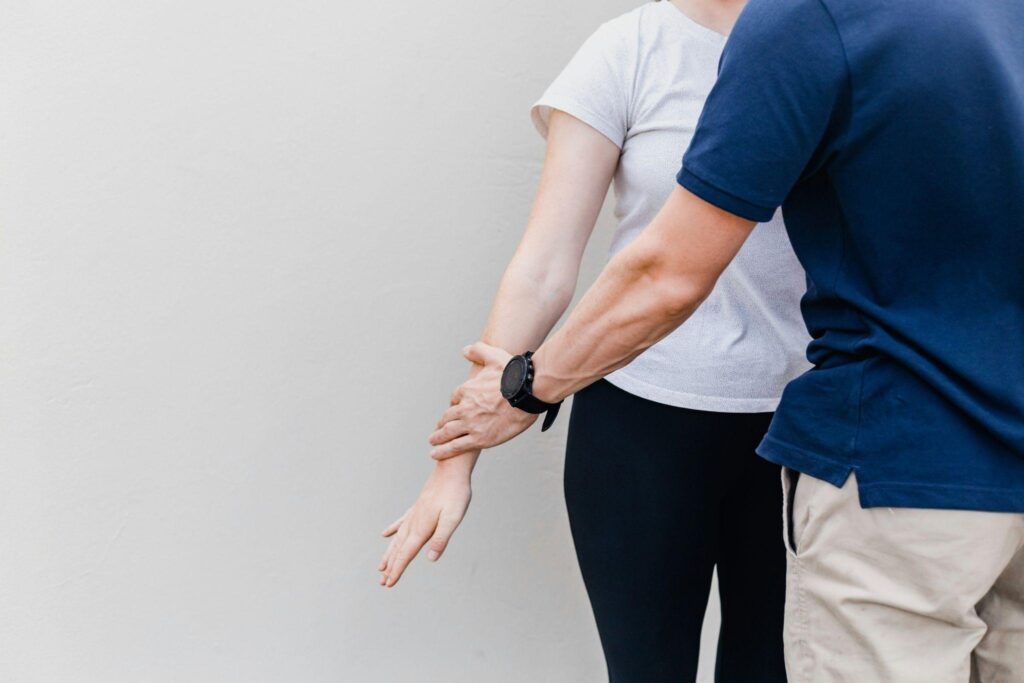
For those looking beyond short-term fixes, hands-on therapies offer a different way to approach ongoing discomfort. Osteopathy is one example, focusing on how the body moves and where it may be holding tension.
When supporting drug-free pain management, treatment often involves gentle manual techniques that aim to improve mobility, reduce tightness, and restore balance across the body. By easing restrictions in joints and muscles, it becomes easier for the body to function without placing unnecessary strain on certain areas.
This approach also encourages a better understanding of how everyday habits influence pain. Small changes in posture, movement, and routine can support the effects of treatment and help prevent the same issues from returning.
Rather than only reducing the sensation of pain, the goal is to improve how the body operates overall. This creates a more stable foundation for long-term relief, without relying solely on medication.
Everyday Habits That Influence Pain Levels
The way your body feels each day is shaped by small, repeated actions. Posture, movement, and even stress levels all play a role in how tension builds or eases over time.
Sitting for long periods, especially without much variation, can place steady pressure on the same areas of the body. Muscles begin to tighten, joints become less mobile, and movement can start to feel restricted. Even something as simple as shifting your position more often or taking short breaks can help reduce that build-up.
Stress also has a physical effect. It often shows up as tight shoulders, a clenched jaw, or shallow breathing. These patterns can stay in the background without much notice, but they still contribute to how the body feels overall.
Becoming more aware of these habits does not require a complete lifestyle overhaul. It is about noticing what you do regularly and making small adjustments where needed. Over time, these changes can ease pressure on the body and support more comfortable movement.
Moving Towards More Sustainable Relief
When pain is managed with a longer-term view, the focus starts to shift. Instead of looking for quick relief each time discomfort appears, attention turns to how often it happens and what might be contributing to it.
Sustainable relief comes from improving how the body functions day to day. This includes maintaining movement, addressing areas of tension early, and supporting the body in a way that reduces repeated strain. The aim is not to eliminate discomfort instantly, but to reduce its frequency and intensity over time.
This approach can also change how you respond to pain. Rather than ignoring it or masking it, you begin to see it as useful feedback. That awareness makes it easier to take action before the issue becomes more persistent.
With the right support and a better understanding of your own patterns, it becomes possible to manage pain in a way that feels more consistent and less dependent on short-term solutions.