

We tend to think of hair care as something that happens in the shower or in front of the mirror. Shampoos, masks, serums – there’s no shortage of products promising stronger, shinier strands. And while these things can genuinely help, they’re working on the outside of a structure that’s actually built from within. Hair follicles are fed by the bloodstream, which means what you eat, how you sleep, and how stressed you are all have a real bearing on what grows out of your scalp.
That’s why some people look beyond topical products and turn to hair supplements to fill nutritional gaps alongside their regular diet. They’re not a magic fix, but as part of a wider approach – one that also takes in diet, lifestyle, and scalp care – they can have a role to play.
The Role Of Nutrition In Hair Health
Hair is made primarily of keratin, a protein produced inside the follicle. For that process to tick along properly, follicles need a steady stream of vitamins, minerals, and amino acids delivered through the blood. When those supplies run low – whether through poor diet, illness, or stress – hair is often one of the first places it shows.
That’s because the body is pragmatic. Hair isn’t essential for survival, so when nutrients become scarce, follicles tend to get deprioritised. It’s worth keeping that in mind if you’ve noticed changes in your hair after a particularly difficult few months.
Key Nutrients Linked To Stronger Hair
No single nutrient is solely responsible for hair health. But several have well-established links to the processes that keep follicles active and hair strands strong.
Protein
Hair is essentially protein, so it stands to reason that your diet needs enough of it. Eggs, fish, chicken, lentils, dairy, and nuts all contribute to your daily intake. If protein is consistently low, the body starts rationing it for more critical functions – and hair growth can suffer as a result, leading to increased shedding or finer strands.
Biotin
Biotin, or vitamin B7, is involved in how the body metabolises fats, carbohydrates, and amino acids. It has a particular association with keratin production, which is why you’ll spot it in so many hair-focused products. Eggs, nuts, seeds, and wholegrains are good dietary sources. Genuine deficiency is fairly rare, but when it does occur, brittle or thinning hair can be one of the signs.
Iron
Iron helps produce haemoglobin, the molecule that carries oxygen around the body — including to hair follicles. Without adequate oxygen, follicles can struggle to stay in their active growth phase. Low iron is one of the more frequently cited nutritional factors in hair thinning, especially in women. Red meat, lentils, spinach, and fortified cereals all provide a useful amount.
Zinc
Zinc is involved in cell growth, tissue repair, and immune function. In the context of hair, it helps maintain the integrity of follicles and supports normal growth cycles. Shellfish, meat, dairy, seeds, and wholegrains are good sources.
Vitamin D
Vitamin D influences a wide range of biological functions, and some research points to a connection between low levels and certain forms of hair loss – though the science is still developing. In the UK, sunlight exposure is often insufficient for much of the year, making diet and supplementation particularly relevant. Oily fish, egg yolks, and fortified foods can help, though many people find a supplement necessary, especially through winter.
Foods That Support Healthy Hair
No single ingredient will transform your hair overnight, but a consistently varied, nutrient-dense diet gives your body the raw materials it needs.
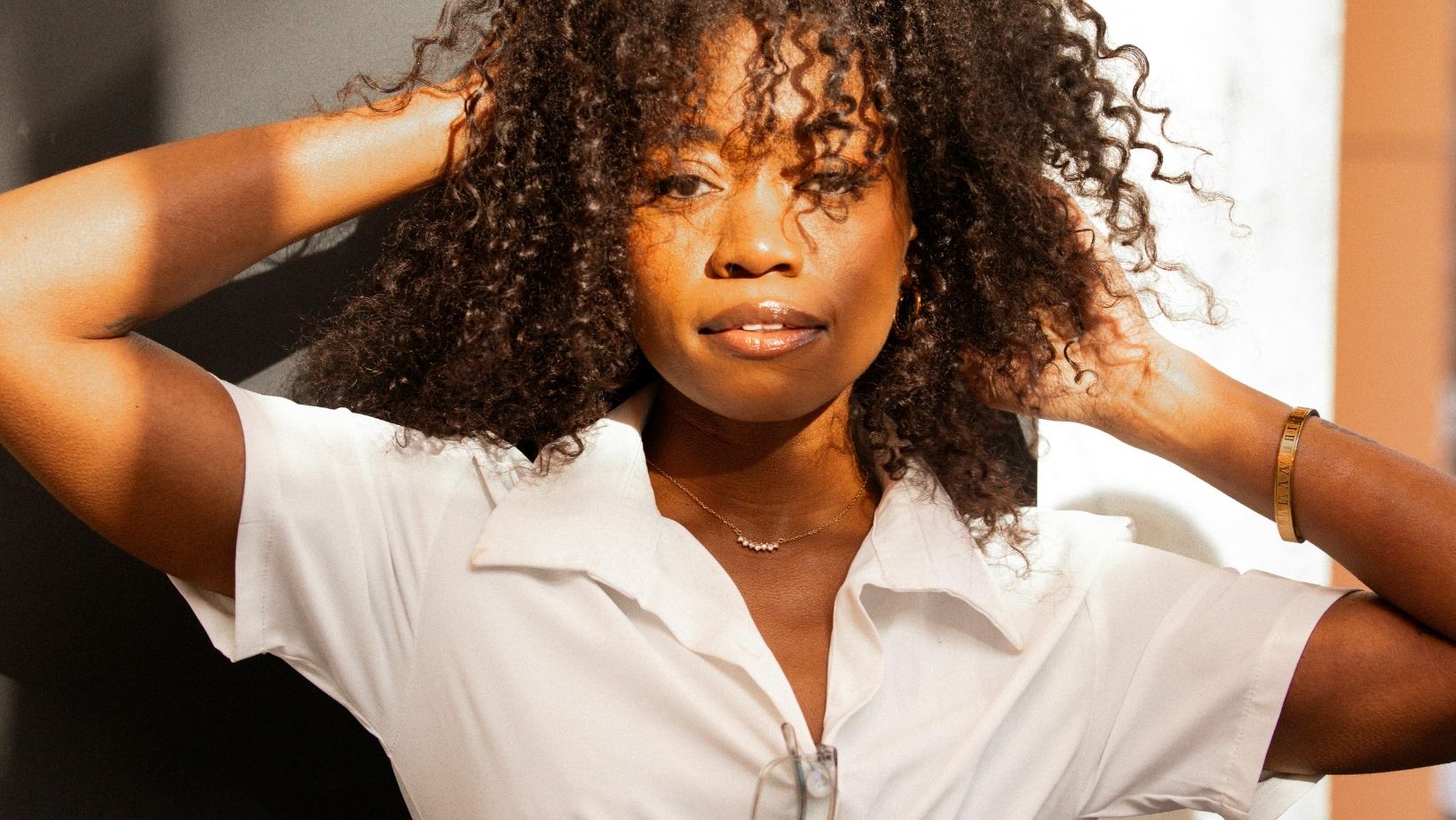
Some foods that tend to come up repeatedly in this context:
- Eggs – protein and biotin in one
- Oily fish – omega-3 fatty acids and vitamin D
- Leafy greens – iron and folate
- Nuts and seeds – zinc, selenium, and healthy fats
- Legumes – plant-based protein and iron
These aren’t revolutionary foods, but eating them regularly as part of a balanced diet makes a real difference to how well your body can support processes like hair growth.
Lifestyle Factors That Affect Hair Health
Nutrition matters, but it doesn’t exist in isolation. A number of lifestyle factors feed directly into the health of your hair.
Stress
Significant stress – physical or emotional – can push a larger number of hairs into the shedding phase simultaneously. This is known as telogen effluvium, and it typically shows up two to three months after the triggering event, which can make it tricky to identify the cause. Regular exercise, decent sleep, and finding ways to decompress genuinely help.
Hormonal changes
Pregnancy, menopause, and certain medical conditions can shift hormone levels in ways that affect the hair cycle. Hair may grow more slowly, shed more readily, or change in texture. These changes are often temporary, but they’re worth being aware of.
Scalp health
Healthy follicles need a healthy environment. Being gentle with heat styling, keeping the scalp clean, and avoiding unnecessarily harsh products all contribute to creating the right conditions for hair to grow.
Where Supplements Fit Into Hair Care
A good diet will always be the foundation. But supplements can be a practical way to top up nutrients that are difficult to get consistently from food alone – particularly for people with dietary restrictions, busy lifestyles, or specific deficiencies.
That said, they’re a complement to healthy habits rather than a replacement. If you have concerns about hair loss or suspect a nutritional deficiency, it’s worth speaking to a GP or healthcare professional before reaching for supplements.
Supporting Hair Health In The Long Term
Hair grows slowly, and the full cycle from growth to shedding can span several years. Meaningful changes take time – which means consistency matters far more than any single intervention.
A long-term approach might look something like this:
- Eating a varied, nutrient-rich diet as a habit rather than a temporary fix
- Managing stress proactively
- Treating the scalp and hair gently
- Taking care of your overall health and wellbeing
Strong, healthy-looking hair is largely a reflection of what’s happening inside the body. Topical products can polish and protect, but the real foundation is built from within – through the food you eat, the rest you get, and the habits you keep.