

Colorado may wear the crown of America’s fittest state, but one in four adults here still lives with obesity. From Denver to Durango, chatter about Wegovy shots and gastric sleeves is everywhere, yet clear guidance on weight-loss treatments in Colorado remains scarce. You deserve facts, not hype—and access to credible resources like https://pepthrive.com/ that explore emerging options in weight management and peptide-based therapies.
In this guide we unpack five evidence-backed options—drugs, devices, programs, and surgery—showing how much weight they shed, what they cost, and where to find them. Let’s dive in.
How we picked the five treatments
You deserve a shortcut through the marketing noise, so we built one. Our shortlist rests on five plain-spoken questions: How much weight does the treatment take off? How safe is it? Can everyday Coloradans get it? What does it cost here? And, crucially, does the science show people keep the pounds off for good?
We reviewed peer-reviewed studies, state price lists, and Colorado insurance policies, then pressure-tested the numbers against real patient stories. We also spoke with bariatric surgeons, endocrinologists, and primary-care doctors who prescribe the new weight-loss drugs lighting up local headlines. The result is a balanced, boots-on-the-ground view of weight-loss treatments in Colorado that you can trust.
Use this framework as you read. If an option checks your boxes—effectiveness, safety, accessibility, budget—that is your cue to start a deeper conversation with your healthcare team.
1. New weight loss drugs (GLP-1 medications)
What these medications are and how they work
Think of GLP-1 drugs as a dimmer switch for appetite. You inject once a week, the hormone-like medicine circulates in your gut and brain, and hunger shifts from a roar to a whisper.
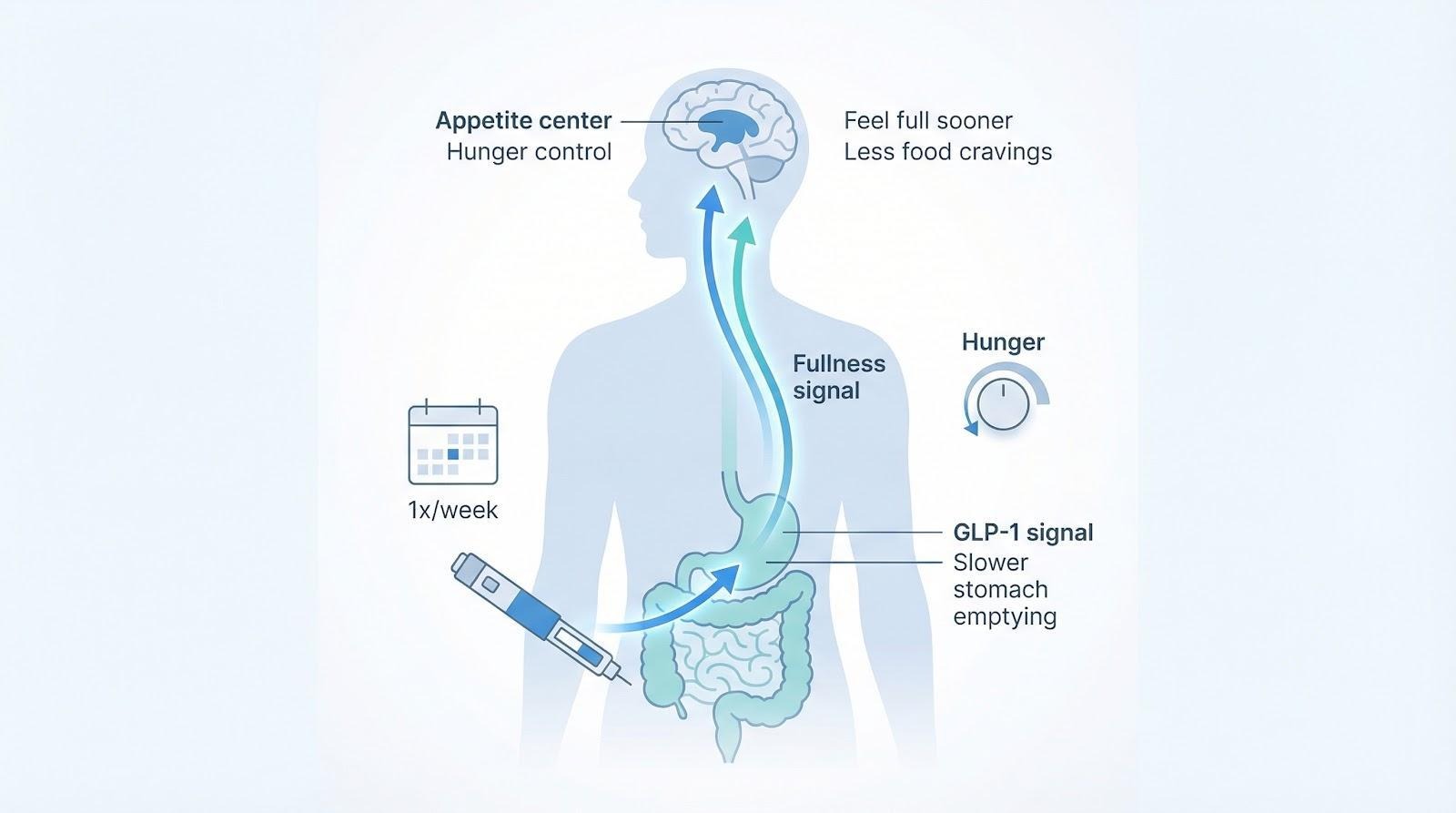
GLP-1 stands for glucagon-like peptide-1, a natural signal your intestines release after you eat. Drug makers copied that signal and extended its action so it lasts all week. When it binds to its receptor, you feel full sooner, food exits the stomach more slowly, and the brain’s reward center quiets around treats that used to call your name.
Brands fall into two families. Semaglutide appears as Wegovy for weight loss and Ozempic for diabetes. Tirzepatide, a dual-action cousin, shows up as Mounjaro for diabetes and ZepBound for weight control. Both families curb appetite and prompt the body to burn stored fat. Colorado clinics already talk about the next wave—a high-dose oral semaglutide tablet and Lilly’s pill orforglipron—expected in late 2026. Early phase-2 data showed orforglipron helped non-diabetic volunteers shed about 12 percent of their body weight in nine months, a result the roundup at new weight loss drugs stacks beside pipeline contenders Amycretin and CagriSema. Even so, weekly injections remain today’s gold standard for weight-loss drugs in Colorado.
How much weight you can expect to lose
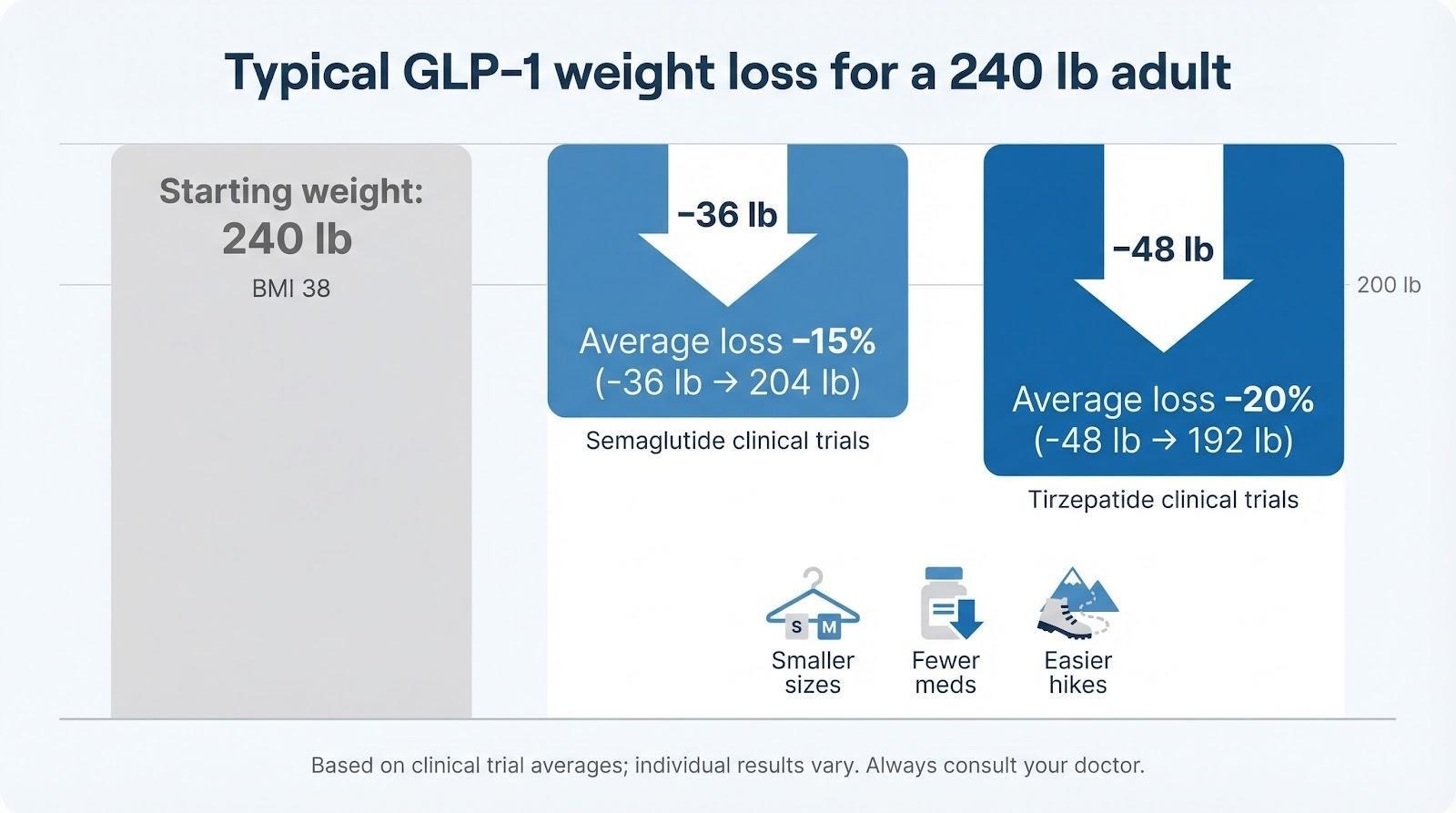
Clinical trials settled the debate: these shots deliver more than lipstick on a diet. Participants on semaglutide lost an average 15 percent of their starting weight in a little over a year, while tirzepatide pushed losses toward 20 percent—results once reserved for operating rooms (Wilding et al., 2021).
Translate that to daily life and the math stuns. A 240-pound Coloradan could shed 36 to 48 pounds, enough to drop clothing sizes, cut blood-sugar meds, and hike without knee pain. Because the drugs calm hunger rather than force deprivation, most people describe the process as easier than any diet they have tried. The catch: once you stop, appetite returns. Doctors frame these medications as long-term therapy, similar to statins for cholesterol.
Availability and cost in Colorado
Demand for Wegovy and ZepBound now outstrips pharmacy shelves from Grand Junction to Greeley. Some starter doses back-order for weeks, leading patients to phone-shop across county lines or use services such as Amazon Pharmacy.
Insurance is the swing factor. Many small-group plans still approve the injections only for diabetes, not obesity, though a 2024 bill aims to mandate coverage statewide. Without insurance, brand-name semaglutide costs about one thousand dollars a month; tirzepatide runs similar or slightly higher. Some patients turn to compounded versions from local wellness clinics for three to five hundred dollars monthly, but those savings carry risk because compounded drugs lack FDA approval, and state lawmakers plan to require bold warning labels on every vial.
Most prescribers walk patients through three steps: confirm insurance, secure prior authorization, then line up a backup pharmacy in case of shortages. Add copays and shipping, remember therapy is long term, and decide whether the health payoff justifies the spend.
Pros and potential drawbacks
Upside lands first. These medications rival surgery for weight loss yet avoid scalpels and hospital stays. Many patients see blood-sugar numbers improve within days, and cardiologists cheer the extra heart-risk reduction. Weekly pens are quick to learn and easy to stash in a ski-trip cooler.
Trade-offs exist. Nausea, heartburn, and loose stools strike about one in three users, especially during the first month as doses climb. Most symptoms fade, but a persistent five to ten percent quit early because their stomach never adapts. Cost stings, and coverage gaps force tough choices between health goals and budgets. Finally, think long game. Stop the injections and hunger hormones roar back, making regain likely unless you lock new habits in place.
These shots are superb tools, not magic wands. Pair them with protein-rich meals, resistance workouts, and regular check-ins with your care team, and the odds tilt in your favor. Skip the lifestyle piece and the weight is likely to creep back, prescription or not.
2. Bariatric surgery (gastric sleeve and gastric bypass)
Picture a reset button for metabolism. That is the promise of modern bariatric surgery in Colorado. In a two-hour, minimally invasive operation, surgeons reshape the stomach so it holds far less food and releases fewer hunger hormones. The smaller pouch fills quickly, meals shrink to appetizer size, and the body shifts from constant storage mode to steady burn.
Colorado offers two headline procedures. A gastric sleeve removes about 80 percent of the stomach, leaving a slim tube that limits portions and tamps down appetite signals. Gastric bypass goes a step further, creating a small pouch and rerouting the intestines so fewer calories are absorbed. Both use small laparoscopic incisions, often with robotic help, and most patients walk hospital halls the same day.
Results still set the gold standard. Typical Coloradans lose 25 to 35 percent of starting weight within eighteen months, outpacing any diet plan. According to outcome data published by the Bariatric & Metabolic Center of Colorado, sleeve and bypass patients there lose about 90 percent of their excess weight—placing the center among the top performers nationwide—and most maintain that success beyond two years.
Having hard numbers like these on hand lets you compare programs on durability of results, not just the up-front cost.
Type 2 diabetes often retreats as well; many patients leave the hospital on lower insulin doses or none at all.
Cost surprises some readers. Insurance, including Medicaid, usually pays when your body-mass index hits 40, or 35 with a serious condition. Paying cash? Local centers quote about twelve thousand dollars for a gastric sleeve and eighteen thousand for bypass. Financing plans spread that total over years, and clinic teams handle paperwork so bills do not choke the decision.
Risks exist, though they are far lower than a decade ago. Serious complications run near two percent at accredited centers. Long term, patients commit to vitamin supplements and quarterly labs to prevent deficiencies. Loose skin and “dumping syndrome” after sugary foods can follow rapid loss, but most say those issues pale next to the aching knees, sleep apnea, or high blood pressure they leave behind.
Above all, surgery is not surrender. It is medical therapy for a chronic disease, endorsed by every major health society. When lifestyle changes and medications stall, the operating room can reopen a future filled with fourteeners, bike trails, and ski runs that once felt out of reach.
3. Medically supervised weight-loss programs
Some people do not need scalpels or weekly injections; they need structure. A medically supervised program delivers that structure. You work with a doctor, dietitian, and coach who track labs, fine-tune calories, and hold you accountable at every step.

Most plans begin with a deep dive into your numbers: blood work, body-composition scan, even a sleep check. The team then builds a calorie target and movement routine you can live with, not just survive. Many clinics add FDA-approved appetite suppressants such as phentermine or combo pills like Qsymia when plateaus appear. Newer GLP-1 shots surface here too, but as one tool among many.
Colorado offers options across the Front Range. UCHealth runs a physician-led clinic that blends meal replacements with weekly classes. Denver Health meets patients where they are, offering virtual visits and bilingual nutrition support. Private centers like Colorado Weight Care in Lakewood add body-composition photos so you can watch visceral fat shrink even when the scale stalls.
Results depend on engagement. Stick with visits and you can drop five to fifteen percent of starting weight in six months, enough to lower blood pressure and ease joint pain. Skip sessions and progress fades, just like any gym membership.
The pros read like a safety checklist. Medical staff spot nutrient gaps, adjust blood-pressure meds as pounds fall, and coach you through emotional triggers that derail solo efforts. Insurance often treats these visits like primary-care follow-ups, so copays stay modest.
Limitations are human, not scientific. Progress moves slower than surgery or GLP-1s, and motivation can wobble when losses average a pound a week. Still, if you want professional guidance without hospital gowns or four-figure drug bills, medically supervised weight loss in Colorado offers a steady lane toward lasting change.
4. Minimally invasive devices (gastric balloon and endoscopic sleeve)
Picture a middle lane between diet pills and the operating room. That lane belongs to intragastric balloons and endoscopic sleeve gastroplasty, two procedures that shrink stomach capacity without an external stitch.
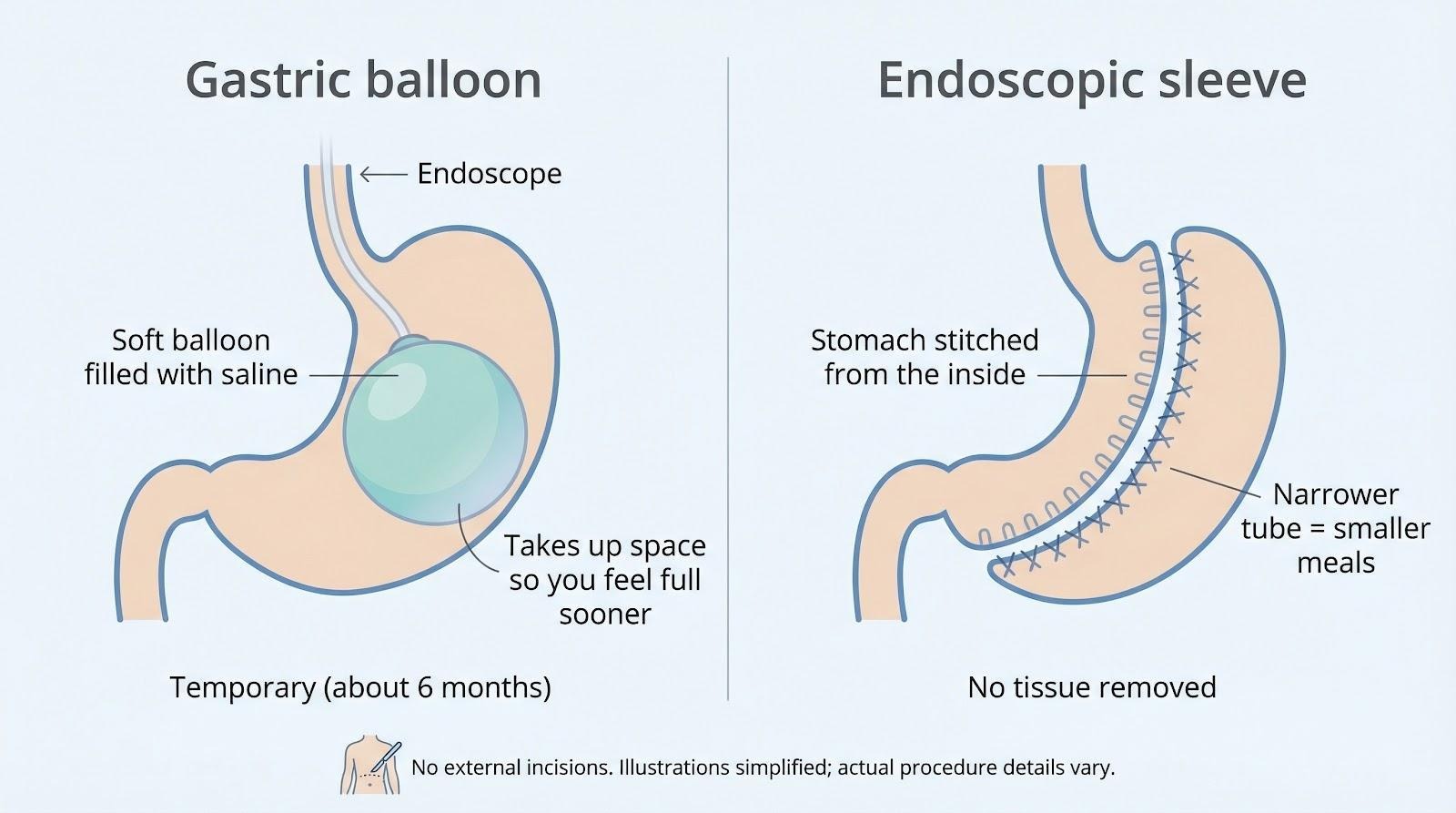
A gastric balloon works like a space-occupying tenant. During a quick endoscopy, the doctor guides a soft silicone orb into your stomach and fills it with saline. With less room for food, meals shrink and fullness arrives early. Six months later the balloon comes out as smoothly as it went in. Average weight loss lands around ten to fifteen percent, enough to boost health markers and confidence, though long-term success rests on habits you build while the device is in place.
The endoscopic sleeve takes the idea further. Instead of adding volume, the surgeon stitches the stomach from the inside, folding it into a narrow tube about two-thirds of its original width. The result mimics a surgical sleeve without removing tissue. Most patients head home the same day and return to work inside a week. Twelve-month studies show fifteen to twenty percent body-weight reduction, a solid middle ground for people whose BMI hovers in the thirties.
Colorado access keeps growing. UCHealth’s bariatric endoscopy team performs endoscopic sleeves, while several Denver clinics place Orbera and similar gastric balloons in Colorado. Because insurers label both procedures elective, plan to self-pay: roughly six to nine thousand dollars for a balloon, ten to fifteen thousand for an endoscopic sleeve in Colorado. Clinics often bundle nutrition coaching and follow-up visits into that fee.
Why pick this route? Lower surgical risk, quick recovery, and no permanent anatomical change. Downsides include upfront cost, temporary nausea, and results that trail behind full surgery. Still, for many Coloradans who need more than willpower yet less than a scalpel, these devices strike a practical balance.
5. Lifestyle and community programs
Even the flashiest medical fix falls flat without daily habits to back it up. Diet quality, movement, and social support still write the final chapter in any weight-loss story.
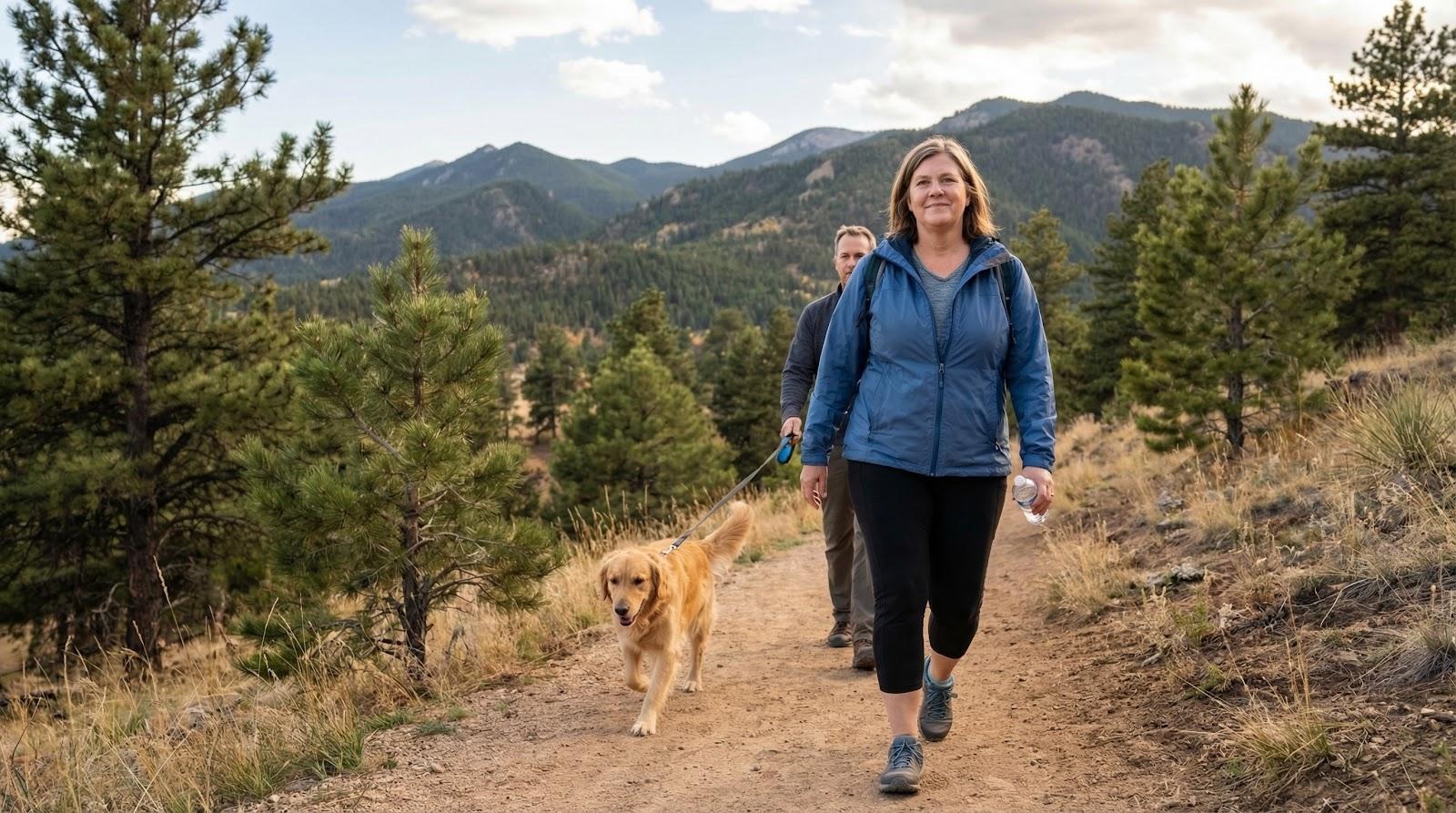
Colorado hands you an unfair advantage. Trails lace our cities, and sunshine shows up on roughly 300 days each year. Slot a thirty-minute walk along the Platte or a weekend hike near Estes Park into your schedule and you can burn hundreds of weekly calories without touching a treadmill.

Food matters just as much. Swapping take-out for home-cooked meals trimmed of added sugar can cut a thousand calories before you feel the sacrifice. Local farmers’ markets and grocery chains stocked with Colorado Proud produce make the switch easier than in many states.
Accountability turns intention into routine, and that is where community weight-loss programs in Colorado shine. The standout example is Weigh and Win, a Kaiser-backed initiative that pays you for progress. Step on a kiosk scale, shed five percent of starting weight, and earn cash—up to 150 dollars a year. A built-in coaching app texts reminders and recipes so you stay on track.
Prefer group energy? WeightWatchers meetings dot the Front Range, while ClassPass lets you sample spin today, hot yoga tomorrow, and climbing next week under one membership. Many employers piggy-back on this spirit with wellness challenges that award prizes for daily steps or water intake.
Results are real if you stay the course. Lose seven percent of body weight and the Centers for Disease Control notes a sharp dip in diabetes risk. Pair moderate cardio with two strength sessions a week and you protect muscle while the scale moves.
Yes, lifestyle change asks for steady consistency. But when mountains, sunshine, and a cash-for-loss program wait outside your door, sticking with it feels less like work and more like claiming the Colorado life you moved here for.
At-a-glance comparison of weight-loss options in Colorado
| Treatment | Average weight loss | Time to peak results | Key risks | Typical cost in Colorado | Insurance coverage |
| GLP-1 medications (Wegovy, ZepBound) | 15 – 20 percent | 12 – 18 months | Nausea, heartburn, regain if stopped | About $1,000 per month (compounded $300 – $500) | Patchy; could improve under proposed mandate |
| Bariatric surgery (sleeve / bypass) | 25 – 35 percent | 12 – 18 months | Two-percent serious complications; vitamin deficiency | $12,000 (sleeve) / $18,000 (bypass) self-pay | Yes when BMI criteria are met |
| Medically supervised programs | 5 – 15 percent | 6 – 12 months | Medication side effects, slower progress | Copays plus about $100 per month extras | Often covered as office visits |
| Gastric balloon / endoscopic sleeve | 10 – 20 percent | 6 – 12 months | Temporary nausea; self-pay cost | $6,000 – $9,000 (balloon) / $10,000 – $15,000 (ESG) | Rarely covered |
| Lifestyle and community programs | 5 – 10 percent | Varies | High relapse without support | Low or free (Weigh and Win pays you) | N/A |
Conclusion
Numbers represent typical outcomes; individual results vary. Use them as guideposts, not guarantees.