
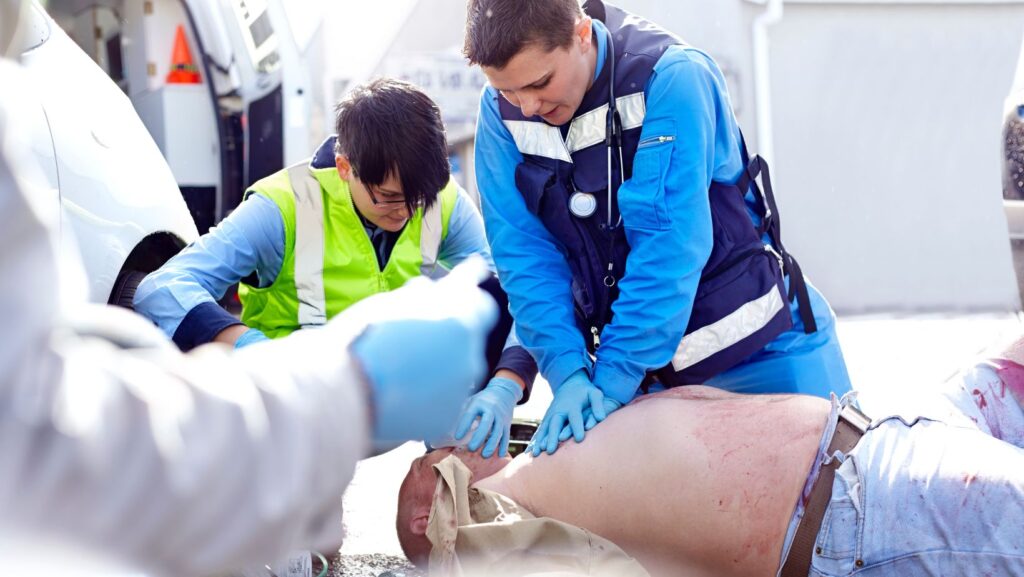
Knowing how to respond when someone collapses is one of the most critical skills in healthcare, and that is where Basic Life Support (BLS) and Advanced Life Support (ALS) come in. Both certifications are lifesaving, but each serves a unique purpose in emergency care and can influence whether a patient survives long enough to receive advanced treatment. In cardiac arrest, every minute matters, and survival drops by 7-10% for every minute without CPR. BLS and ACLS are therefore essential links in the chain of survival, with one providing immediate support and the other guiding advanced interventions.
Understanding the difference between them helps you choose the right certification, prepare for clinical roles, and stay ready for real emergencies. Keep reading to learn the key distinctions.
What Is Basic Life Support Training and Who Needs It?
Basic Life Support (BLS) is the level of emergency care provided to medical personnel and responders who are trained. It has a very basic but very deep purpose: to maintain the oxygenated blood circulation to the brain and other important organs until more serious measures can be taken.
Basic Competencies in BLS Certification
Basic Life Support (BLS) is emergency care provided by trained medical personnel and responders. Its purpose is simple but vital: to keep oxygenated blood flowing to the brain and other essential organs until advanced treatment is available. A Basic Life Support training course teaches core skills. These include CPR for adults, children, and infants, proper AED use, rescue breathing, team-based CPR with role-switching, choking relief, and recognizing cardiac arrest before activating EMS or a code team.
Who Is Required to Have BLS?
BLS is required for nurses (RNs, LPNs, and LVNs) and nursing assistants. It is also important for CNAs, patient care technicians, medical assistants, and first responders.
What Is Advanced Life Support Training and Who Needs It?
Advanced Life Support (ACLS) is a continuation of BLS but changes the emphasis to not keeping a person alive but reversing the reason why the arrest was necessary and restoring circulation. The rhythm, airway, drugs, and the team are handled by ACLS providers.
ACLS involves the skill to read cardiac rhythms, comprehend hemodynamics, select an appropriate pharmacologic intervention and preside over a code with clinical discretion, not merely do what is right.
Basic Competencies in ACLS Certification
Advanced Cardiac Life Support focuses on managing critical cardiac emergencies. An ACLS training course teaches providers how to recognize shockable and non-shockable rhythms, manage advanced airways such as OPA and supraglottic devices, and prepare for intubation. It also covers IV or IO access with medication administration, treatment of bradycardia, tachycardia, and post-arrest care. Providers learn to apply ACLS algorithms based on AHA guidelines and practice leadership and communication during a code.
Who Is Required to Have ACLS?
ACLS is required for nurses in ICU, ER, telemetry, and critical care. It is also needed for advanced EMS providers and paramedics, physicians, PAs, CRNAs, and residents. Acute care respiratory therapists, quick response nurses, code team members, telemetry technologists, and cardiac technologists must also maintain ACLS certification.
Key Differences Between Basic and Advanced Life Support Training
Understanding the differences between Basic Life Support and Advanced Life Support training helps you choose the right certification for your role in healthcare. Each program teaches lifesaving skills, but the level of depth, complexity, and clinical responsibility varies significantly. The table below highlights the key differences between Basic and Advanced Life Support training.
| Parameter | BLS | ACLS |
| Focus | Immediate Cardiopulmonary Resuscitation (CPR) and Automated External Defibrillator (AED) | Full cardiac arrest management |
| Skills | Basic airway and rescue breathing | Advanced airway and pharmacology |
| Rhythm Interpretation | Not required | Required (ECG interpretation) |
| Medication Use | None | Yes, ACLS drugs and dosing |
| Leadership Role | Team participant | Team leader or clinical lead |
| Target Audience | All medical staff | Advanced and critical care providers |
BLS keeps the patient alive until advanced care arrives. ACLS is advanced care.
Certification Requirements: BLS vs ACLS
Before choosing the right course, it is important to understand what each certification requires.
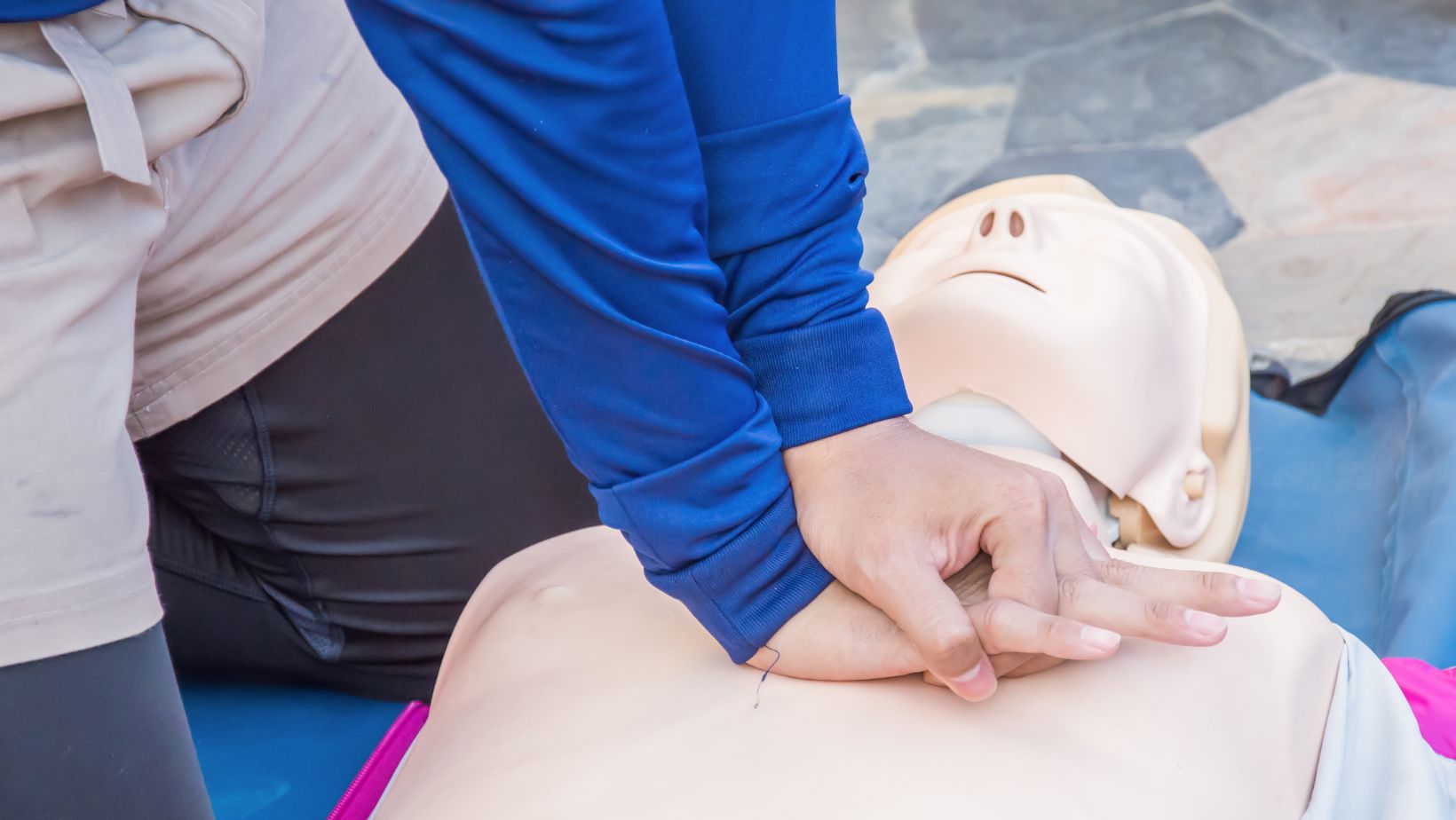
In order to obtain certification, an individual must meet the following requirements for each course:
| Requirement | BLS Certification | ACLS Certification |
| Eligibility | No medical degree required | Must already possess BLS knowledge |
| Knowledge Needed | Basic CPR and AED skills | Understanding of fundamental ECG rhythms |
| Medication Familiarity | Not required | Must be familiar with common first aid drugs and signs |
| Testing Components | Written standardized test + practical skills test | Written exam + advanced clinical skills and rhythm management |
| Validity | Valid for 2 years | Valid for 2 years (often must renew before expiration) |
| Role in Hospitals | Foundation requirement | Specialty credential often required for advanced clinical |
Key Takeaways: Importance of BLS and ACLS in Patient Care
BLS keeps blood circulating to the brain and vital organs, while ACLS restores the heart’s rhythm and addresses the underlying cause of cardiac arrest. They are not interchangeable, and they are not optional for anyone involved in patient care. Together, they create a unified continuum of skills that every clinical team relies on during life-threatening emergencies. For any career involving direct patient contact, understanding the difference between Basic and Advanced Life Support is not only a hiring requirement but also a professional competency that demonstrates your readiness to act when a life depends on you.
If you want to build this foundation with confidence, start with our accredited Basic Life Support training course and become fully prepared for real-world clinical emergencies.