
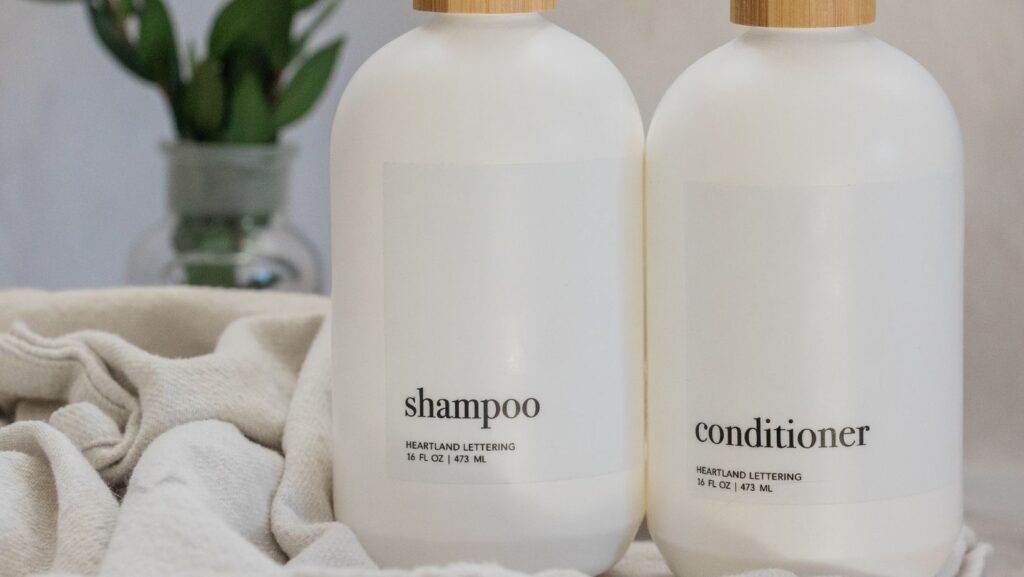
In a world overflowing with hair care solutions — serums, masks, conditioners, oils, supplements — one product remains central yet often underestimated: the shampoo. At first glance, shampoo seems like basic hygiene. But when we examine it through the lens of hair biology and scalp physiology, its role transforms. The right shampoo is not just a cleanser; it is the daily environment setter for every hair follicle on your scalp.
This is especially true for anyone dealing with thinning, slow growth, or weakened hair. In these cases, choosing a growth shampoo isn’t just a matter of preference — it’s foundational to any effective hair care strategy.
Today, we take a deep dive into how a thoughtfully formulated growth shampoo shapes the conditions that allow hair to grow thicker, stronger, and more resilient.
Understanding Hair Growth from the Skin Out
Hair growth starts beneath the surface, in the hair follicle. Each follicle is a dynamic, miniature factory that relies on microcirculation, nutrient exchange, cellular energy, and a stable environment to function well.
But unlike other regenerative systems, hair doesn’t benefit from stimulation alone. Rather, follicles are highly sensitive to subtle signals, especially those tied to scalp health. The scalp environment — its pH, microbiome, inflammation levels, and barrier integrity — influences whether hair remains in the growth phase (anagen) or prematurely shifts into resting (telogen) or shedding (catagen).
This makes cleansing not a superficial step but a regulatory one.
Why Shampoo Matters More Than You Think
For decades, shampoos prioritized foam, fragrance, and instant cleanliness. But aggressive surfactants, harsh detergents, and strong fragranced formulas — while cosmetically satisfying — can compromise scalp health over time.
Here’s what happens:
- Barrier disruption: Aggressive cleansing strips the natural lipid layer that protects scalp skin.
- Inflammation risk: Repeated irritation triggers low-grade inflammation that shortens the hair growth cycle.
- Follicle stress: Microbial imbalance, irritation, and poor sebum regulation create hostile conditions for follicles.

While occasional irritation might feel insignificant, hair follicles interpret each irritation signal as stress — and chronic low-grade stress tells follicles not to stay in growth mode.
This is precisely why a growth shampoo designed to balance cleansing with scalp support can be transformative. It doesn’t just remove dirt; it preserves barrier function, minimizes inflammation, and supports follicle accessibility.
What Makes a Shampoo Support Growth?
If you’re serious about hair improvement, consider these attributes in a growth shampoo:
1. Gentle yet effective cleansing
A good growth shampoo removes excess sebum, pollutants, and product buildup without stripping essential lipids. This supports optimal scalp homeostasis.
2. pH balance aligned with skin physiology
Scalp skin thrives in a slightly acidic range. When shampoo disrupts this balance, enzyme activity and microbial stability suffer — both of which affect follicle behavior.
3. Supportive minerals and co-factors
Mineral infusion — such as zinc, magnesium, copper, and silica — can assist cellular energy processes, support keratin synthesis, and reinforce structural integrity. Importantly, minerals are not stimulants; they are facilitators.
4. Microbiome respect
Shampoos that avoid harsh antimicrobial agents help maintain a balanced microbial ecosystem on the scalp. This reduces inflammation and supports barrier integrity.
The combination of these elements forms the core of an effective growth shampoo — one that influences hair from the root, not just the surface.
How Mineral-Focused Shampoos Support Natural Growth
Mineral-focused formulas are gaining traction because they align with how hair follicles really work. Instead of harsh stimulation or surface tricks, they create conditions where follicles can perform optimally.
Here’s how that works:
- Supportive microenvironment: Minerals help regulate cellular balance without irritation.
- Barrier reinforcement: Less stripping means stronger resistance to irritation and inflammation.
- Continual conditioning: Gentle daily use reinforces healthy scalp equilibrium.
This makes the right growth shampoo suitable as both a regular cleanser and a long-term support strategy.
Bringing It Together: Daily Cleansing, Lasting Results
Hair growth isn’t an event — it’s a process. Follicles integrate signals over weeks and months, not days. That’s why consistency matters far more than any single active ingredient.
When your shampoo supports equilibrium every time you wash your hair, you gradually give follicles a stable environment — one that favors longer growth phases, stronger fibers, and better retention.
In contrast, harsh or inconsistent cleansing can undermine even the best subsequent treatments.
Choosing for Sustainability, Not Drama
The hair care industry often sells immediate transformation — dramatic foaming, tingles, sudden glossiness. But scalp biology responds to gentle, consistent support, not intense sensations.
A good growth shampoo may feel subtle on the first use — but its effects compound over time. Reducing irritation, reinforcing barrier function, normalizing sebum levels, and supporting a balanced scalp microenvironment are not headline-grabbing sensations. They are measurable biological improvements.
Final Thought: Hair Growth Starts With Cleansing
If you want hair that grows longer, thicker, and stronger, start with what touches your scalp most frequently: your shampoo.
Choosing a dedicated growth shampoo designed to support follicle ecology — not just clean hair — changes the narrative from guesswork to science-aligned care.
When you rethink shampoo as the foundation of your hair health journey, you unlock a path toward results that are not only visible, but sustainable.